Is Philadelphia sun exposure harder on interiors than you expect?
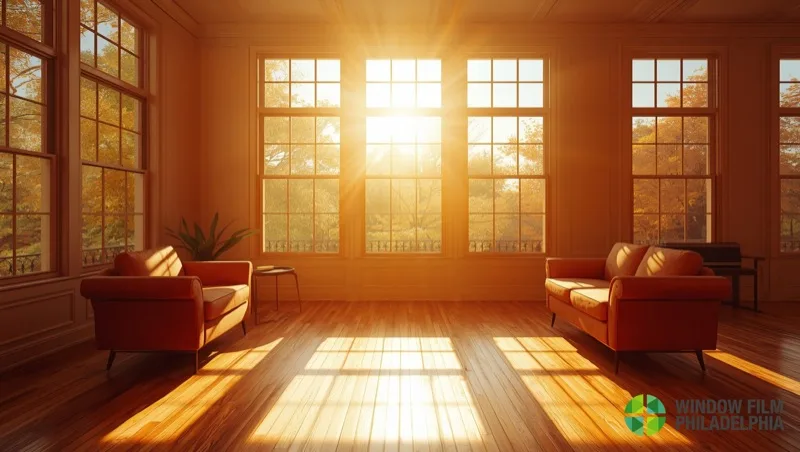
UV damage is easy to miss until the signs start showing up on floors, furniture, fabrics, and artwork. In Philadelphia, broad south-facing glass in Center City condos, University City offices, and rowhomes with renovated rear additions can let in enough sun to fade finishes long before the windows themselves seem like a problem.
Professionally selected UV-control films are valuable because they can reject up to 99% of harmful ultraviolet rays while still preserving daylight. That matters for homes with hardwood floors, medical offices with waiting rooms, retail spaces with display merchandise, and any property where sun exposure quietly shortens the life of interior materials.
The health side matters too. The National Cancer Institute explains that ultraviolet radiation is a known human carcinogen and that everyday exposure adds up over time, especially near windows and reflective surfaces. Their overview is worth reviewing here: UV radiation and cancer risk.
Why UV Window Film Makes Sense in Philadelphia Buildings
Philadelphia properties deal with a mix of old construction, tall glass, and humid summers that make sun-facing rooms uncomfortable for long stretches of the year. UV film is not just about protecting one couch or rug. It is about creating a more durable, easier-to-live-in space without boarding up the daylight that makes a room feel open.
For many projects, we look at how the glass is used first. A west-facing conference room near Market Street, a nursery in Chestnut Hill, and a storefront near Rittenhouse all have different priorities even when the same sun is causing the problem.
Where the biggest benefits usually show up
When owners ask where UV film pays off fastest, the answer is usually the rooms and zones that receive repeat daily exposure. The pattern is often obvious once you know where to look.
- South- and west-facing living areas where furniture fabrics and wood finishes are taking the most direct sun.
- Office perimeters where staff spend hours near bright glass and screen visibility drops in the afternoon.
- Retail windows where merchandise discoloration creates avoidable replacement costs.
- Historic interiors where fading protection matters as much as comfort and appearance.
Better Interior Protection Without Losing the Look of the Glass
A common concern is whether UV film will make the windows look dark or overly reflective. The answer depends on the product family and the goal for the room. Some films are chosen primarily for clear UV rejection, while others combine UV control with heat and glare performance when solar load is also a problem.
That is where product selection matters more than a generic promise. Many 3M, Llumar, and Vista architectural films are selected because they combine strong UV rejection with a cleaner, lower-profile appearance than older dark-tint approaches. If the space also struggles with brightness, pairing UV protection with glare reduction solutions can create a more balanced result instead of solving only one part of the problem.
UV Protection Helps Homes, Offices, and Specialty Spaces
The right film plan should reflect how the property is actually used. Philadelphia has enough variation in architecture and occupancy that one-size-fits-all recommendations usually leave value on the table.
Residential spaces
Rowhomes in South Philly, Manayunk, and Fairmount often have rear glazing, skylight-adjacent rooms, or upper-floor bedrooms that collect a surprising amount of sun. UV film helps protect floors, furniture, and artwork while keeping the room usable during bright summer afternoons.
Commercial and office settings
In offices, the issue is often a mix of fading, eye strain, and comfort. Conference rooms with long glass walls, reception areas, and perimeter workstations benefit when UV management is combined with a realistic review of orientation, occupancy, and HVAC performance. For broader workplace applications, our office window film page shows how these upgrades fit commercial environments.
Historic and design-sensitive interiors
Older homes and civic buildings around Old City and Society Hill often need a subtle retrofit. In those settings, the goal is to protect finishes and reduce long-term UV damage without disrupting the character of the space. That is one reason many owners start with a targeted review of the most exposed glass rather than treating every pane the same way.
A Smarter Way to Reduce Fading and Everyday UV Exposure
The best results come from matching the film to the exposure pattern, not just to the keyword on a brochure. Some rooms need the clearest possible appearance. Others benefit from a more solar-control-focused option that also improves comfort. If the main concern is protecting furnishings and reducing ultraviolet exposure, a dedicated UV blocking window film option for Philadelphia may be the right starting point.
Philadelphia owners usually get the most value when they treat UV film as part of a larger building-performance decision. The same glass that causes fading can also create glare, rising cooling load, and inconsistent comfort from room to room. Addressing the exposure at the window often solves more than one problem at once.
Talk Through the Right UV Film for Your Philadelphia Property
If your interior is getting washed out by sun, fading faster than it should, or making regularly used rooms less comfortable, UV window film Philadelphia property owners rely on is a practical next step. The right film can preserve daylight, protect interior finishes, and reduce the long-term wear that sun exposure causes in homes, offices, and specialty spaces across the city.
Window Film Philadelphia can evaluate the most exposed elevations, explain the differences between clear UV-focused and broader solar-control films, and recommend a solution that fits the building instead of forcing a generic tint package. Reach out to schedule a consultation for your Philadelphia property.