
Secured Building Window Film
for Philadelphia
Defend your facility against forced entryblast hazardsballistic threatssmash-and-grabglass fragmentation .
Security window film for Philadelphia secured buildings delays forced entry, retains glass fragments during blast events, and provides ballistic resistance for banks, data centers, police stations, and government facilities.
Trusted by 500+ Philadelphia secured facilities — banks, data centers, police stations, and government buildings




Hardened Glass.
Same Windows.
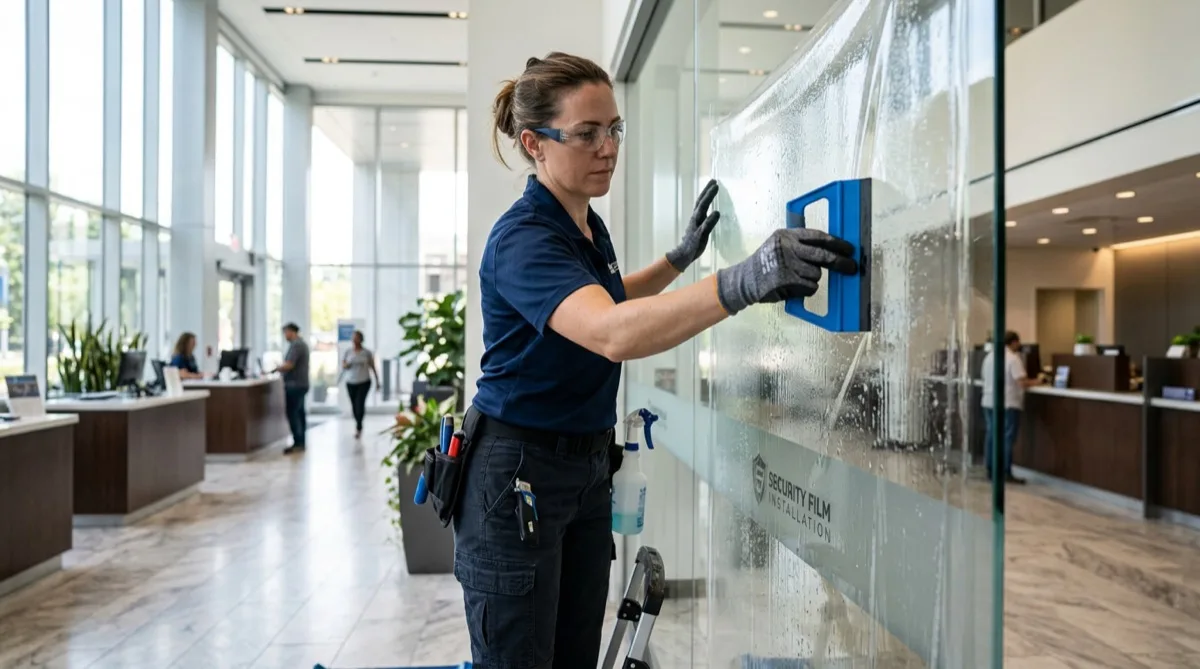
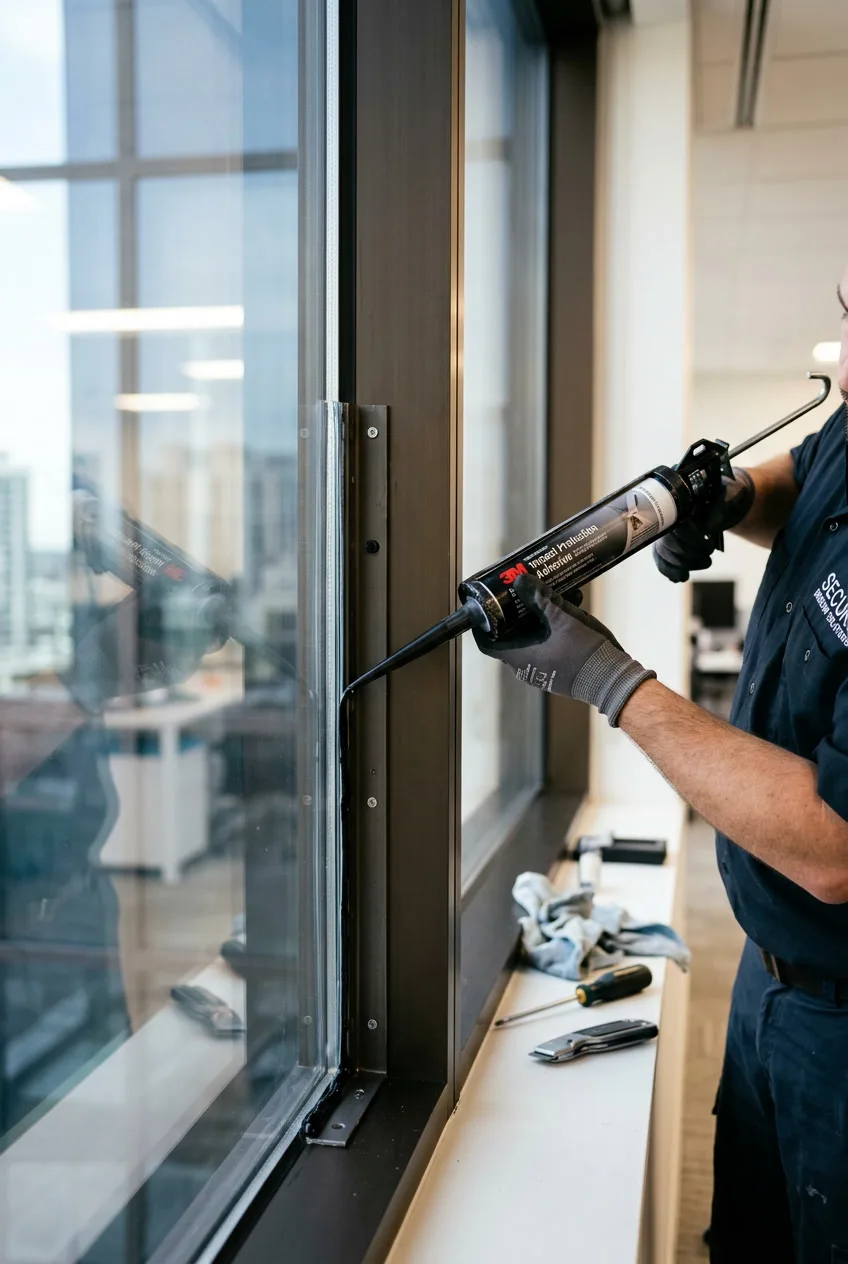
Security window film for Philadelphia secured buildings is a professionally applied polyester film that bonds directly to your existing glass — holding shattered fragments together on impact, delaying forced entry, and reducing blast hazards. No window replacement. No structural modifications. No downtime.
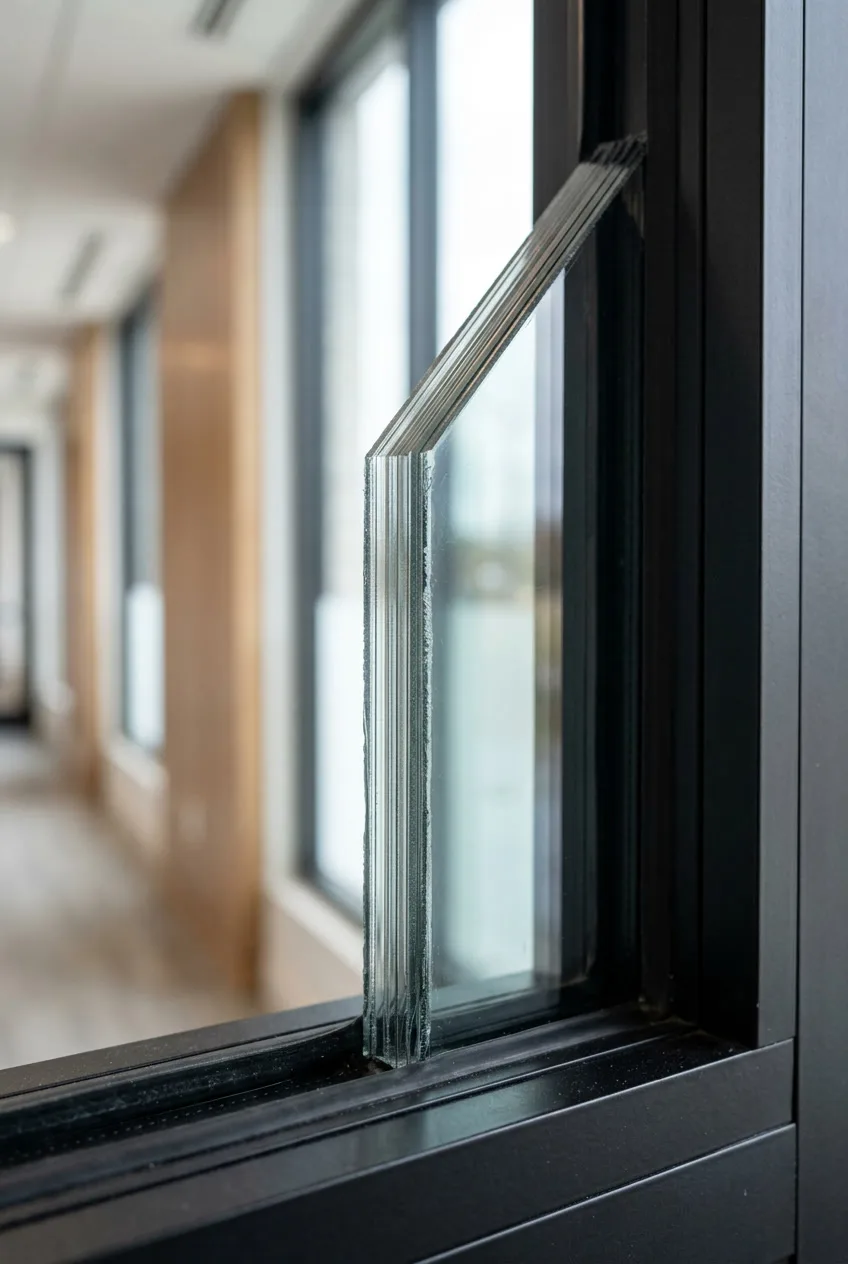
Films are specified by thickness (4–15 mil), tested standards (FEMA mitigation best practices, ASTM F1642 airblast, UL 752 ballistic), and attachment method. For Philadelphia banks, data centers, and government facilities with documented threat assessments, security window film is one of the most cost-effective glass hardening upgrades available — a retrofit alternative to ballistic glass replacement.
Philadelphia Secured Buildings Can't Afford Vulnerable Glass
Banks, data centers, police stations, and federal facilities face documented physical security threats where glass is the most accessible entry point. Standard glass shatters on impact — creating immediate vulnerabilities for forced entry, smash-and-grab attacks, and blast events. Secured facilities need glass that holds together when attacked.
- Standard glass shatters in seconds — a break-in at a teller window or lobby entry creates immediate risk to staff and assets.
- Flying glass fragments are among the leading causes of injury during blast events and forced entry attempts at secured facilities.
- Government and financial facilities face compliance requirements for blast mitigation and forced entry resistance — standard glass does not meet these standards.
- Ballistic glass replacement requires structural modifications, permits, and extended construction — security film retrofits to existing glass in a fraction of the time.
Philadelphia Secured Buildings Face the Same Glass Threats. Security Film Addresses All of Them.
One installation. Multiple layers of protection. No window replacement required.
Delay Forced Entry
8–15 mil security film holds shattered glass in the frame, forcing intruders to sustain their attack instead of stepping through in seconds — buying critical response time.
Mitigate Blast Hazards
ASTM F1642 and GSA TS01 context blast-rated film systems hold glass in place during explosive events — reducing flying glass projectile hazards for building occupants.
Resist Ballistic Threats
C-Bond BRS multi-layer PET systems with nanotechnology primer delay projectile penetration — a retrofit alternative to ballistic glass for high-security facilities.
Add Solar + Privacy
Security film with solar-control properties rejects heat and UV while one-way reflective options add daytime privacy for sensitive operations — security and comfort in one installation.
The Right Security Film for Every Part of Your Facility
Different areas of a secured building have different threat profiles. Here's how we approach each space in a Philadelphia secured facility.
Secured Entry & Lobby
Entry glass is the most accessible and most attacked vulnerability in any secured facility. Security film with attachment systems holds shattered glass in the frame, delaying forced entry at doors, sidelites, and vestibule glazing. Essential for bank lobbies, police station entries, and federal building checkpoints.

Data Centers
Forced entry delay at perimeter glass and server room partitions for insurance compliance and critical infrastructure protection.
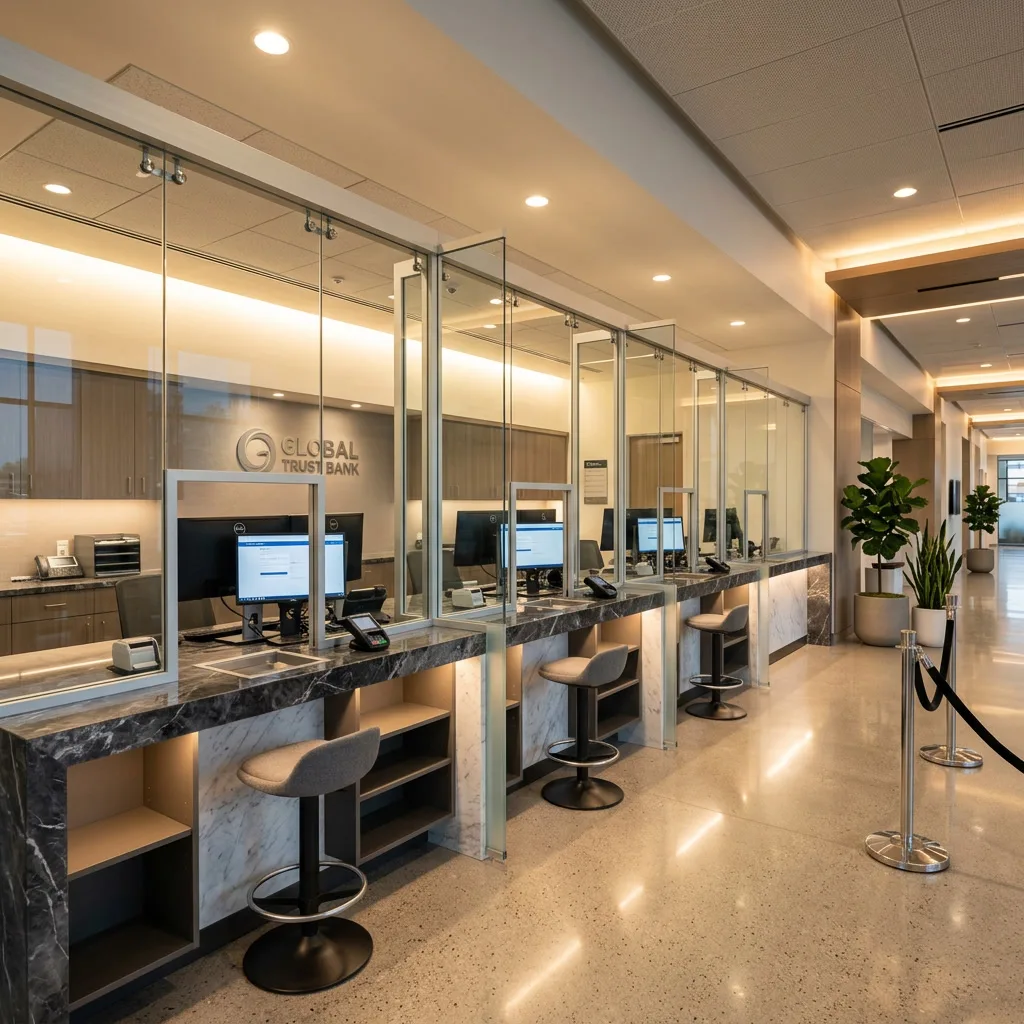
Teller Areas
Smash-and-grab resistance at teller glass, cash counting rooms, and ATM-adjacent glazing for Philadelphia financial institutions.
Police Stations & Evidence Rooms
Security film delays entry at booking areas, evidence rooms, and holding cell glazing. Clear safety film protects staff and detainees from glass fragment hazards during high-stress incidents.
Federal Facilities & Courthouses
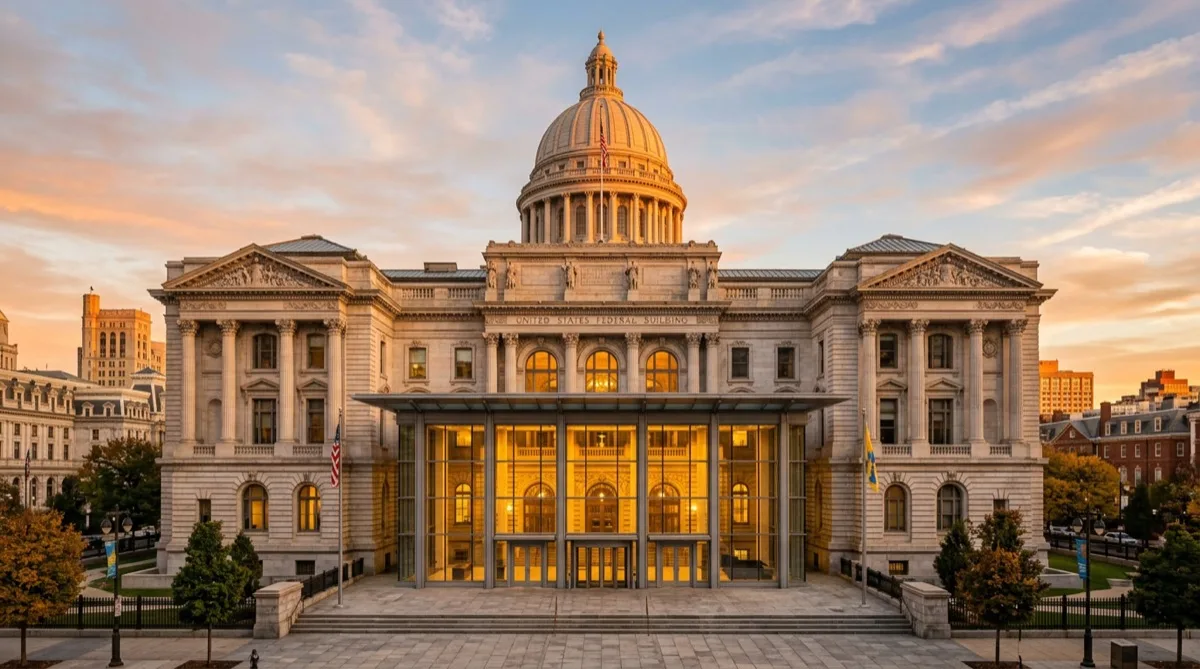
GSA and DoD context blast mitigation film systems for federal buildings, courthouses, and military installations. ASTM F1642 and GSA TS01 compliance documentation provided for your facility's security protocols.
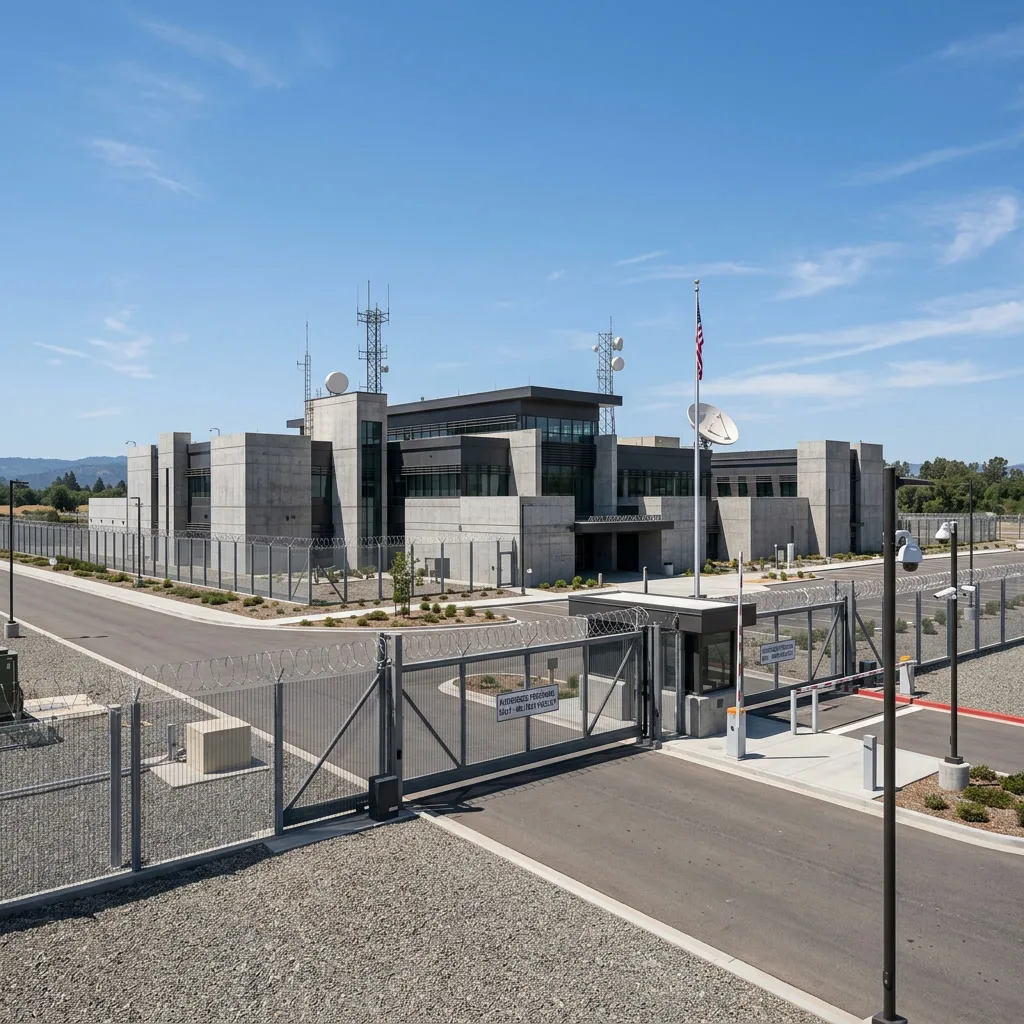
Military & Critical Infrastructure
Ballistic-resistant film systems with C-Bond Secure primer for military installations, armories, and critical infrastructure. UL 752 tested system context documentation provided.
How does security film harden Philadelphia's secured facilities?
Blast mitigation, forced entry delay, ballistic resistance, and solar control — delivered in a single professional installation. No window replacement, no structural modifications, no downtime.
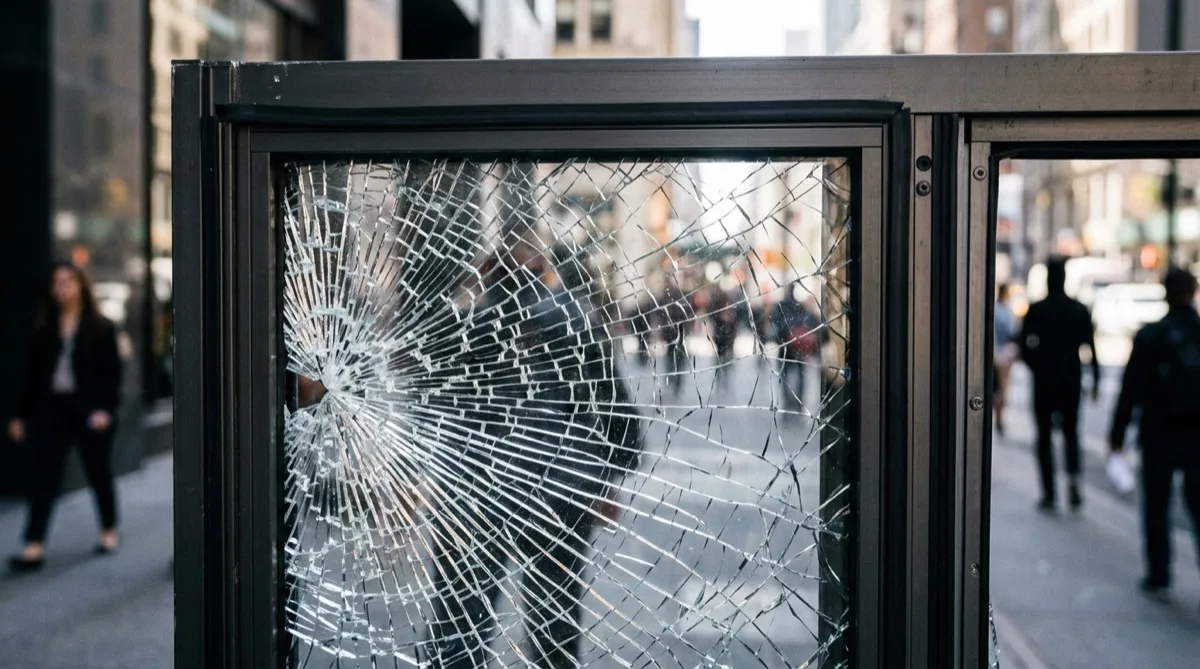
Hold glass in place during explosive events
Flying glass fragments are among the leading causes of injury during blast events. Blast mitigation film systems are engineered and tested in the context of ASTM F1642 airblast loading and GSA TS01 performance classification — they hold the glass pane in its frame during an explosive event, preventing shards from becoming dangerous projectiles.
“Blast mitigation film reduces glass fragmentation hazards by holding the pane intact — but performance depends on the full glazing system, not just film thickness.”
CISA — Physical Security Resources
For government facilities, embassies, and high-occupancy commercial buildings, blast mitigation film is a critical upgrade. Performance depends on glass type, frame condition, attachment method, and installation quality — we assess all factors during your site evaluation. See our blast mitigation window film guide for Philadelphia facilities.
- ASTM F1642 airblast loading test method context
- GSA TS01 federal blast glazing performance classification context
- Reduces flying glass projectile hazards for building occupants
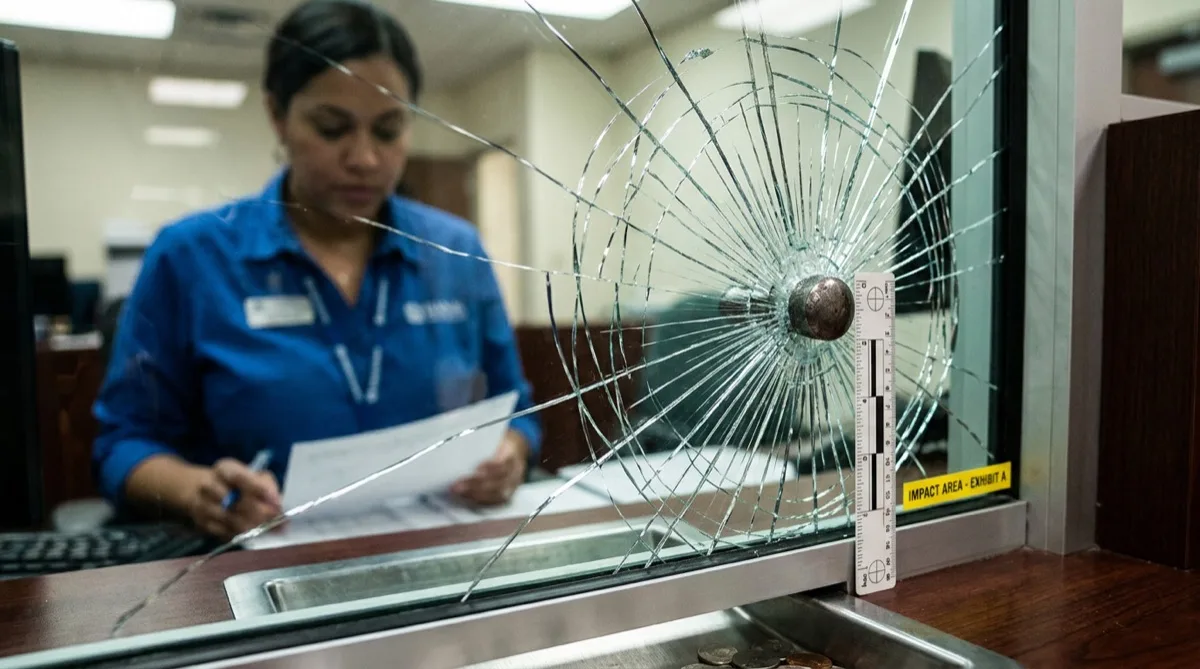
Delay intruders and buy critical response time
Standard glass shatters in seconds — a smash-and-grab at a teller window or lobby entry creates immediate vulnerability. Security film (8–15 mil) holds the broken pane together, forcing intruders to sustain their attack instead of stepping through. This delay — often the difference between a successful break-in and a prevented one — gives security personnel and alarm systems time to respond.
Attachment systems that anchor the filmed glass to the frame further increase the delay. The safety and security film we install is certified to ANSI Z97.1 safety glazing standards and tested in the context of ASTM F1642. For banks, police stations, and secured facilities, it is a practical, insurance-eligible security upgrade at a fraction of laminated glass replacement cost.
- 8–15 mil security film — delays sustained forced entry attempts
- Attachment systems anchor filmed glass to frame for maximum delay
- May qualify for property insurance premium reduction — ask your broker
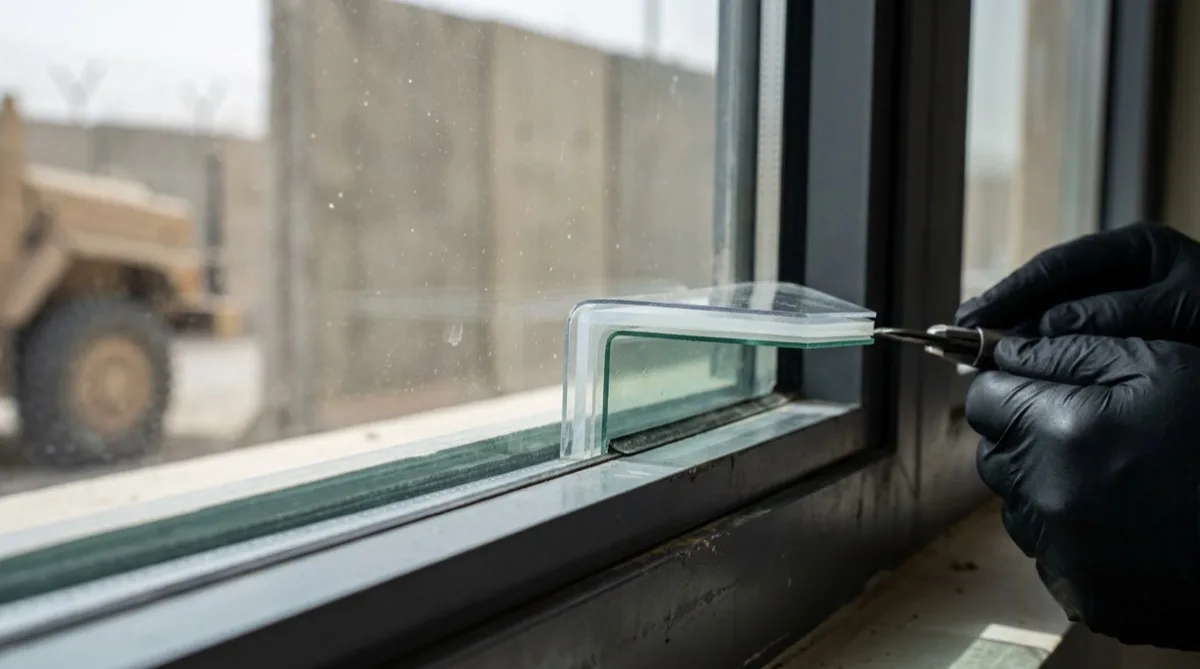
Resist projectile threats with C-Bond BRS systems
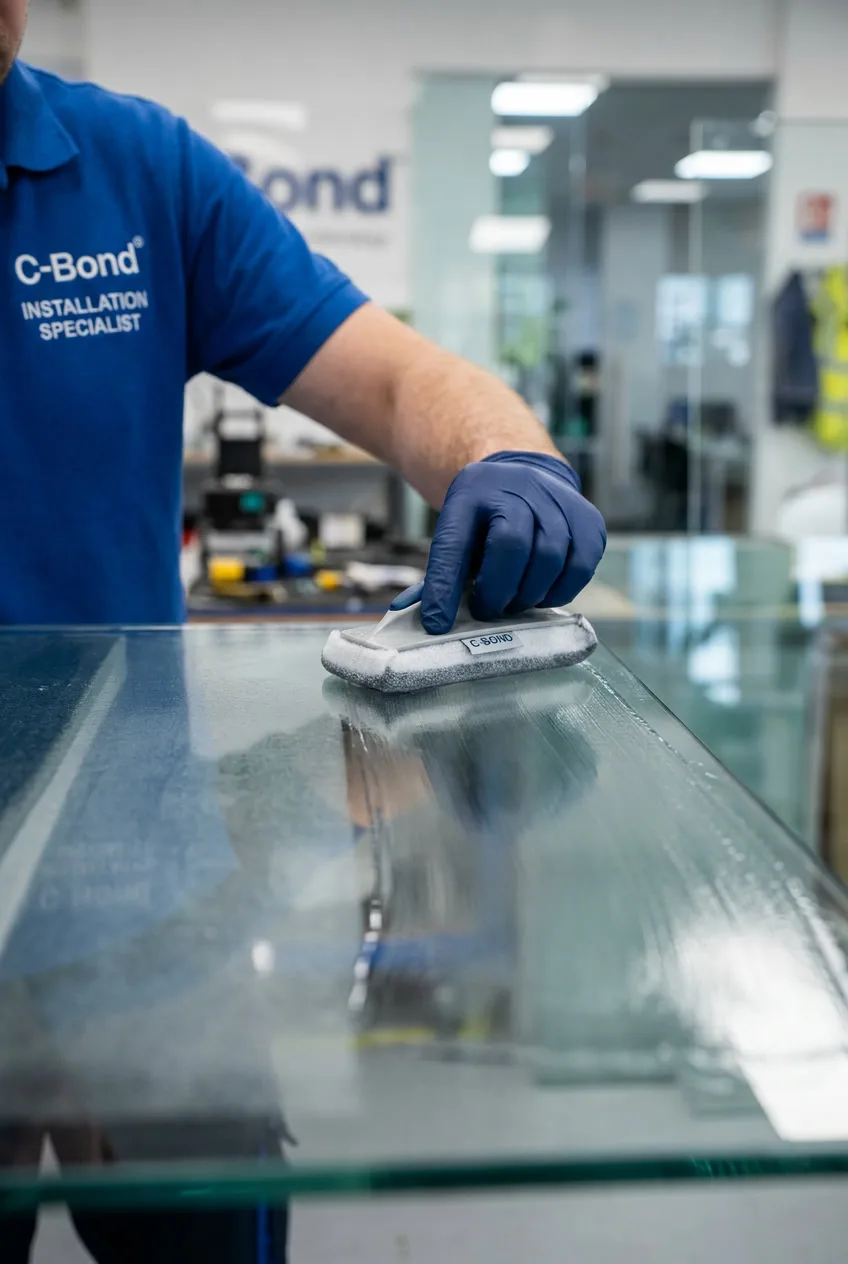
For facilities facing the highest threat levels, ballistic-resistant film systems provide a retrofit alternative to ballistic glass. The C-Bond BRS (Ballistic Resistant System) pairs multi-layer PET security film with C-Bond Secure nanotechnology primer — a mounting solution that fills microscopic glass defects and improves adhesion, clarity, and cure behavior.
The combined system is designed to resist projectile penetration and is described with tested rating context such as UL 752 ballistic-resistant material standards. It is not bulletproof glass — but for facilities that need enhanced protection without full glass replacement, film-based ballistic systems offer a practical and cost-effective path to higher security standards.
- C-Bond BRS: multi-layer PET film + C-Bond Secure nanotechnology primer
- UL 752 ballistic-resistant material standard context
- Retrofit to existing glass — no structural modifications required
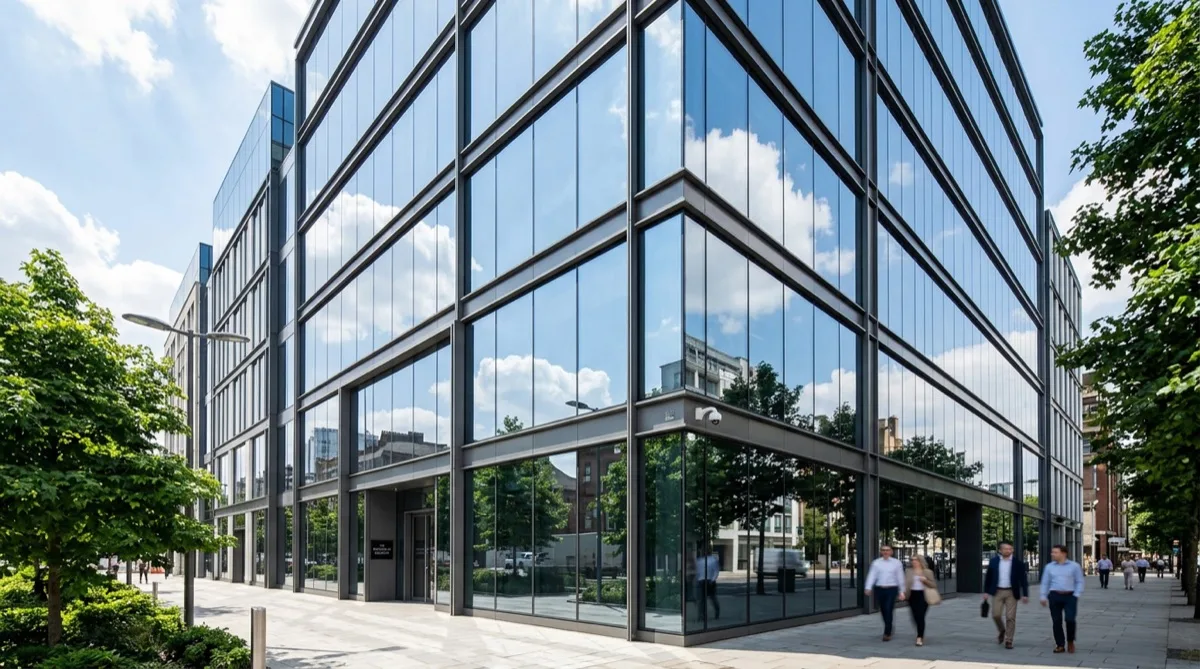
Security plus comfort in one installation
Security film doesn't have to be just about protection. Solar-control security films combine impact resistance with heat rejection, UV block, and glare reduction — making them ideal for secured buildings with occupied spaces like offices, visitor centers, and staff areas. Many security films also reject up to 99% of UV radiation, protecting equipment, documents, and interior furnishings.
For sensitive operations that require visual privacy, one-way reflective security film provides daytime privacy from the exterior while preserving outward views for those inside. Tinted and reflective options maintain a professional, consistent building aesthetic. Many security films also reject up to 99% of UV, contributing to UV protection for equipment and documents. We offer a range of visible light transmission levels and finishes to match your facility's security and operational requirements.
- Solar-control security film: heat rejection + UV block + impact resistance
- One-way reflective options for daytime privacy at sensitive operations
- Clear, tinted, and reflective versions maintain professional facility appearance
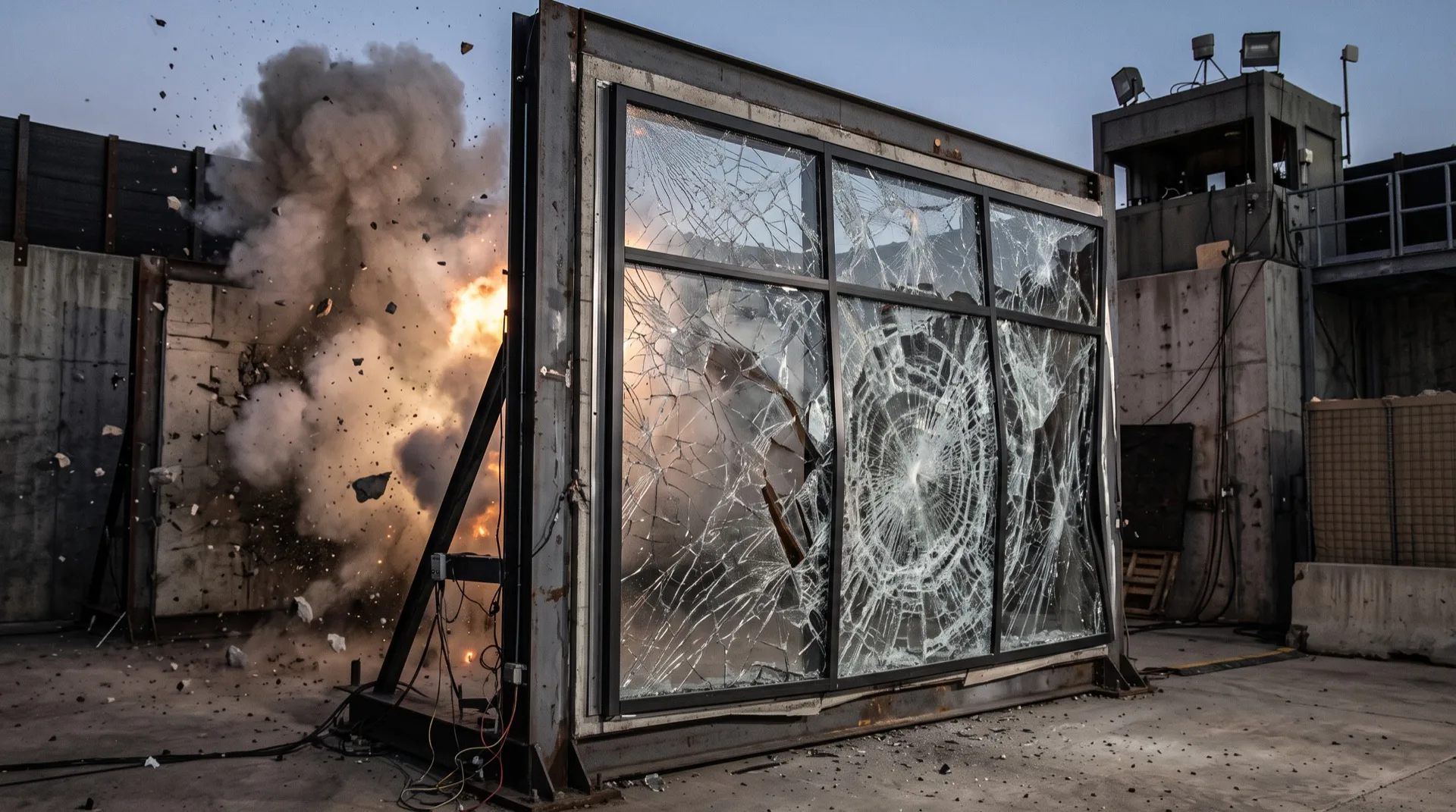
Blast Mitigation Film. Glass Stays. Hazards Don't.
ASTM F1642 and GSA TS01 context blast-rated film systems hold glass in its frame during explosive events, preventing shards from becoming dangerous projectiles. Essential for federal buildings, embassies, and high-occupancy commercial facilities in Philadelphia. Available across 3M ScotchShield, Solar Gard Armorcoat, and Madico SafetyShield.
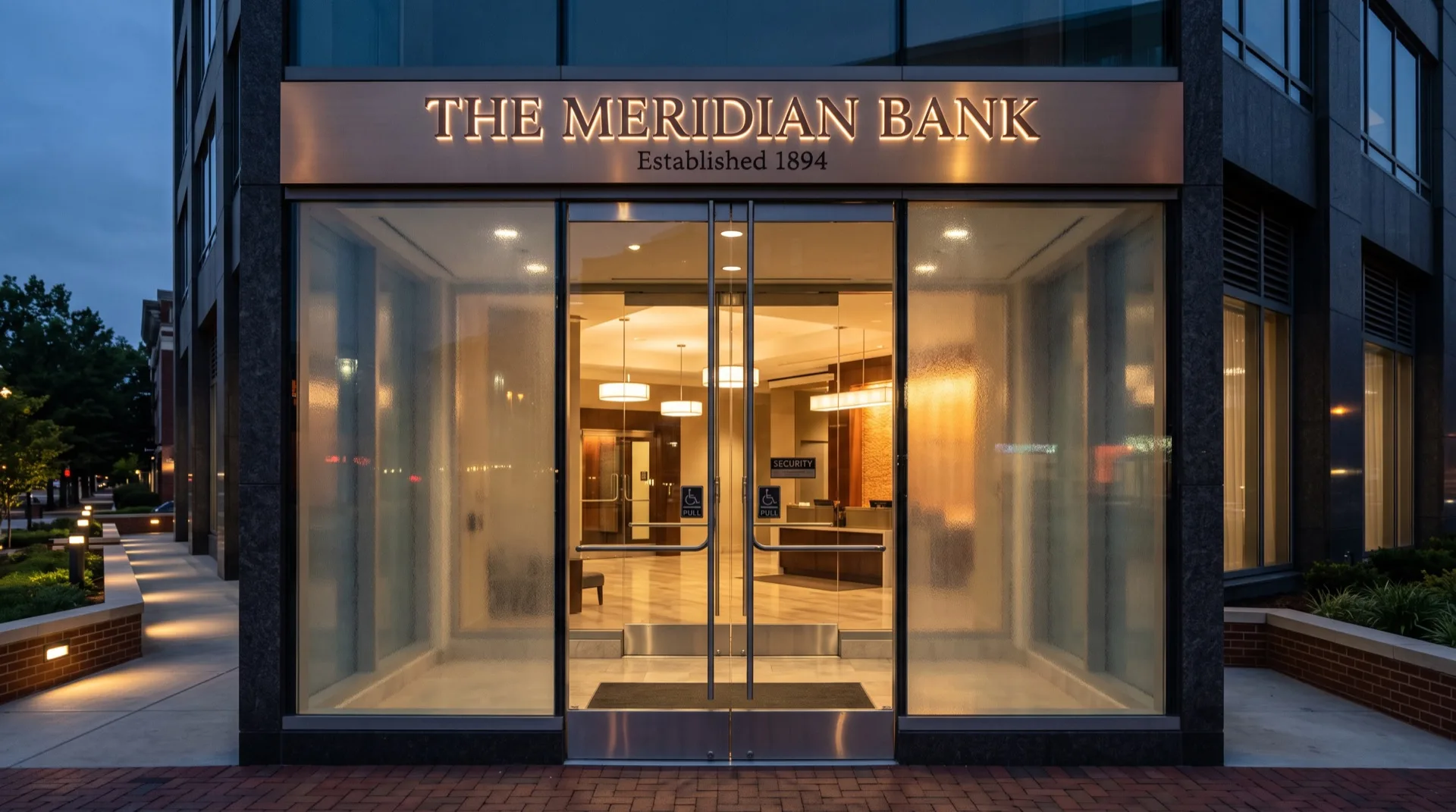
Security Film. Entry Delayed. Threats Stopped.
8–15 mil security film holds shattered glass in the frame on impact, delaying forced entry and smash-and-grab attempts. The 3M ScotchShield Ultra S800 meets ANSI Z97.1 safety glazing standards. For Philadelphia banks, police stations, and retail storefronts, security film is a practical, insurance-eligible upgrade at a fraction of laminated glass cost.
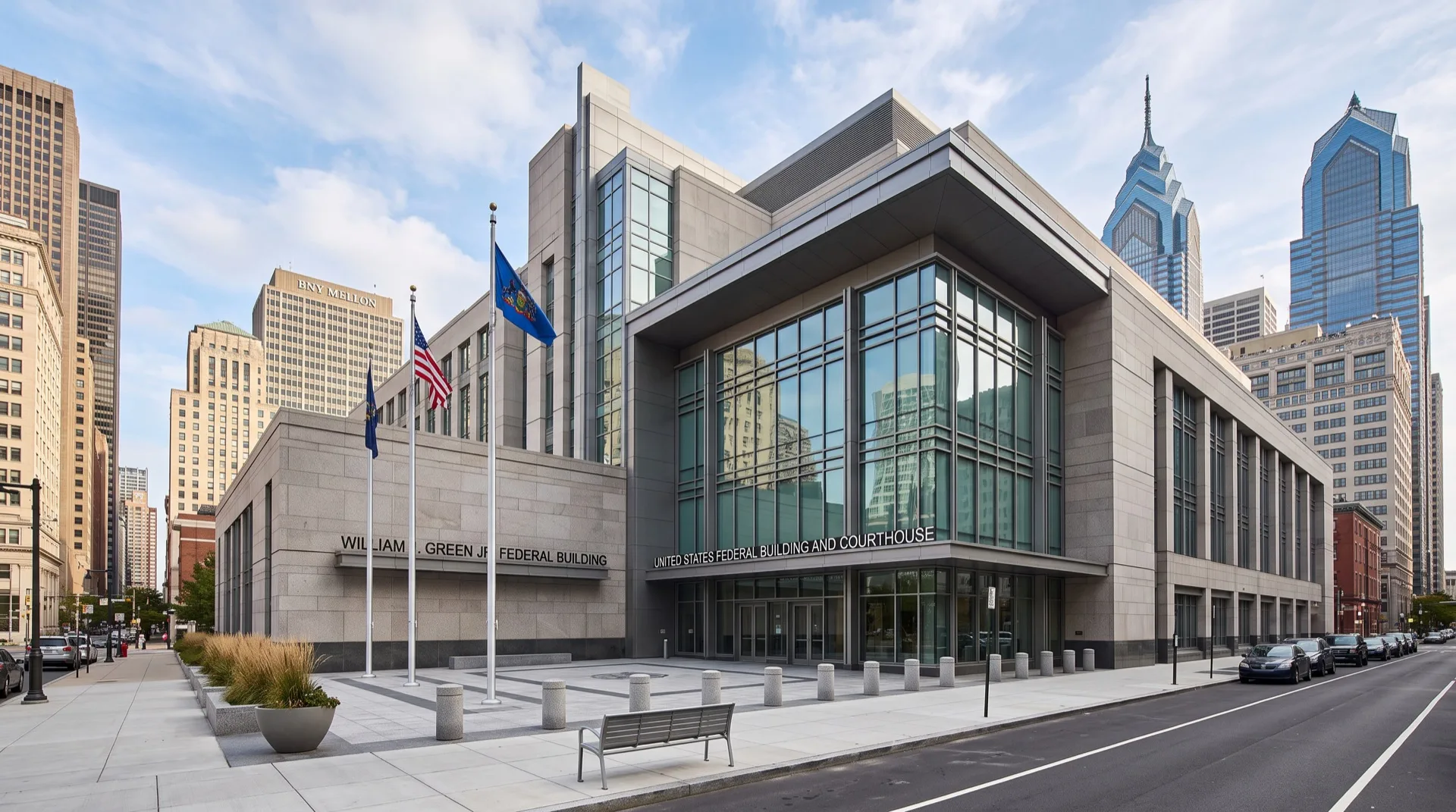
Ballistic-Resistant System. Retrofit. Not Bulletproof.
The C-Bond BRS (Ballistic Resistant System) pairs multi-layer PET security film with C-Bond Secure nanotechnology primer. The primer fills microscopic glass defects and improves adhesion — the combined system delays and resists projectile penetration. UL 752 tested system context. A retrofit alternative to ballistic glass for military installations, armories, and critical infrastructure.
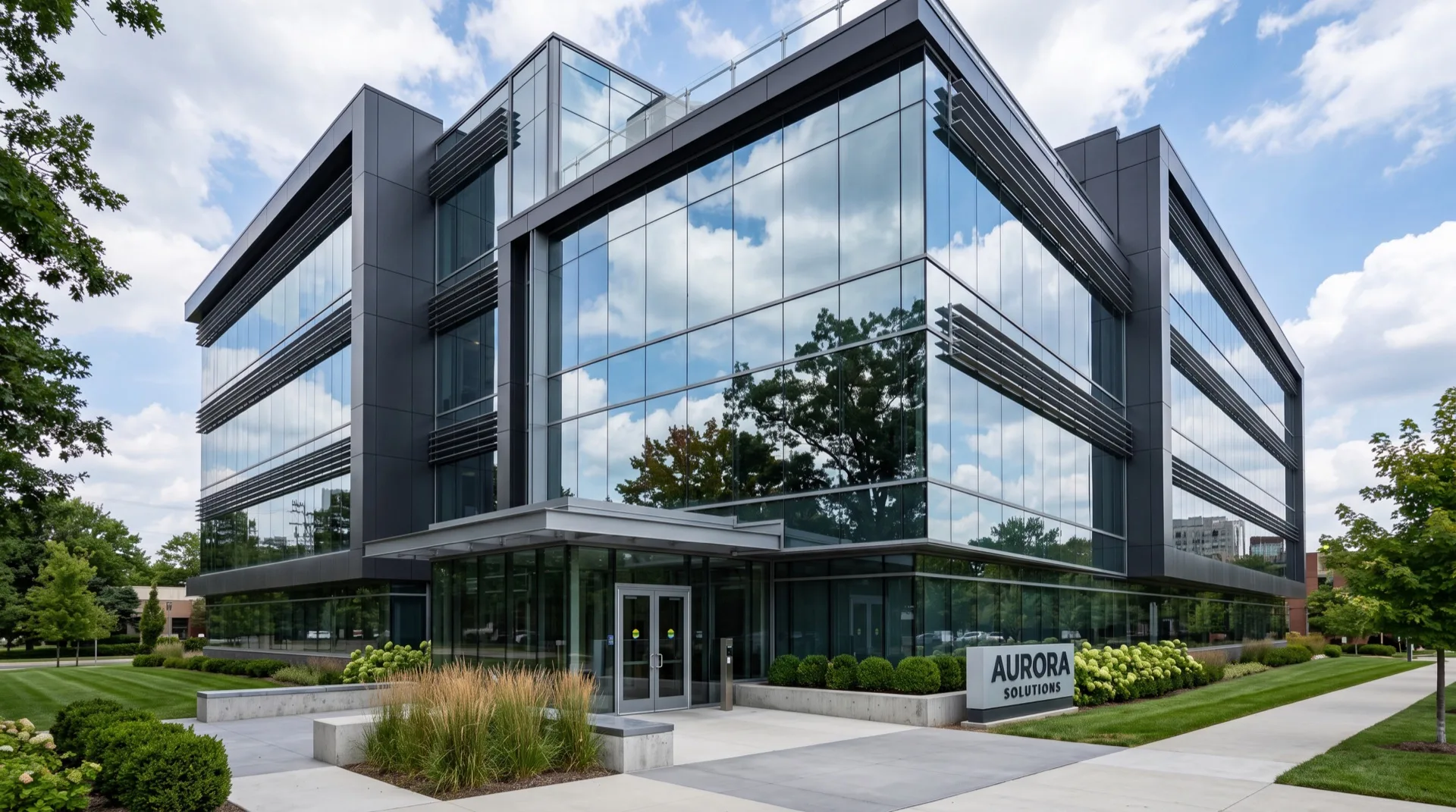
Solar Control Security. Protection Plus Comfort.
Security film with solar-control properties combines impact resistance with heat rejection, UV block, and glare reduction. Ideal for secured buildings with occupied spaces — offices, visitor centers, and staff areas. Many security films reject up to 99% of UV radiation, protecting equipment, documents, and interior furnishings while maintaining occupant comfort.
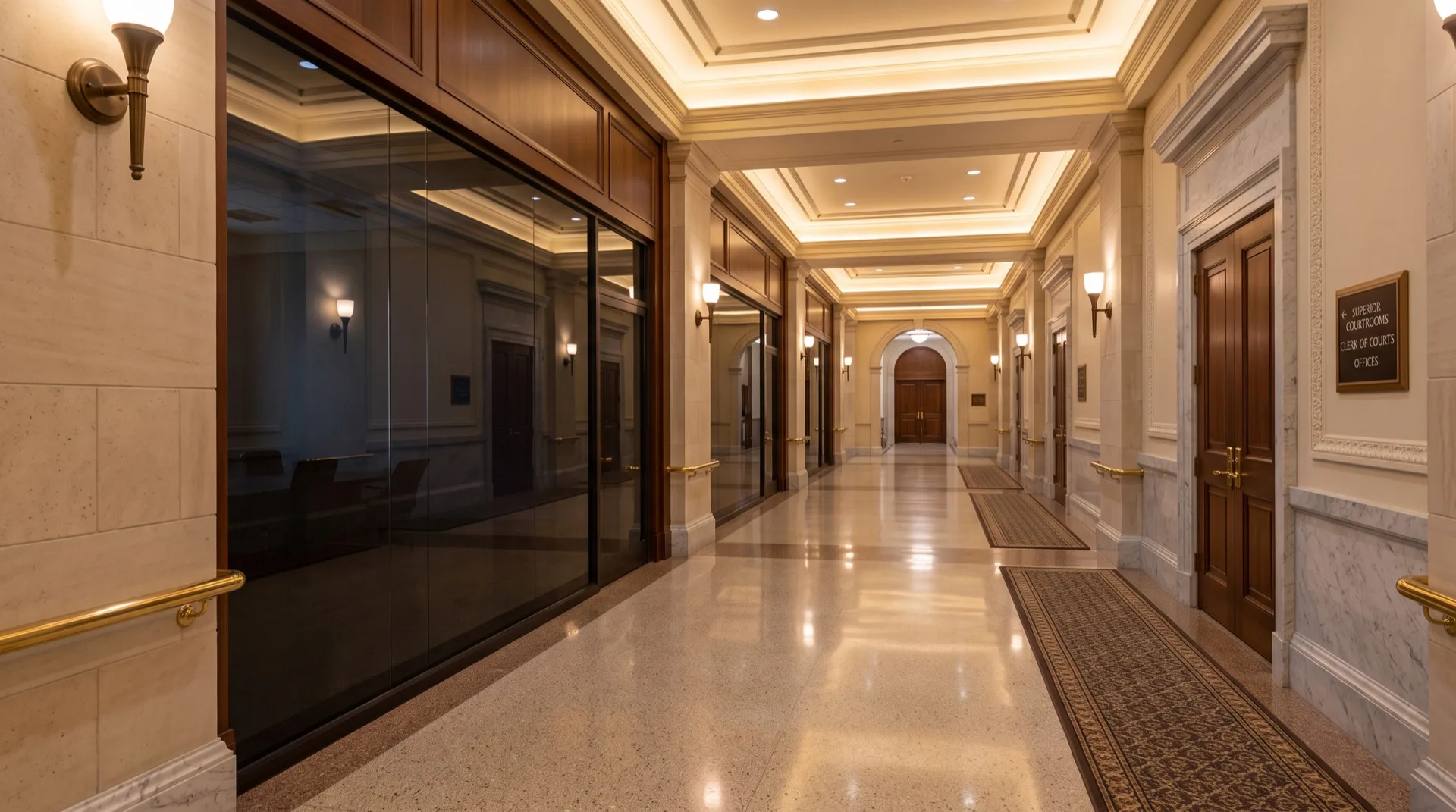
Privacy Security Film. Daytime Concealment.
One-way reflective security film provides daytime privacy for sensitive operations — evidence rooms, secure offices, and confidential processing areas. The exterior appears reflective during daylight hours while those inside maintain full outward views. Combines visual privacy with fragment retention and forced entry delay.
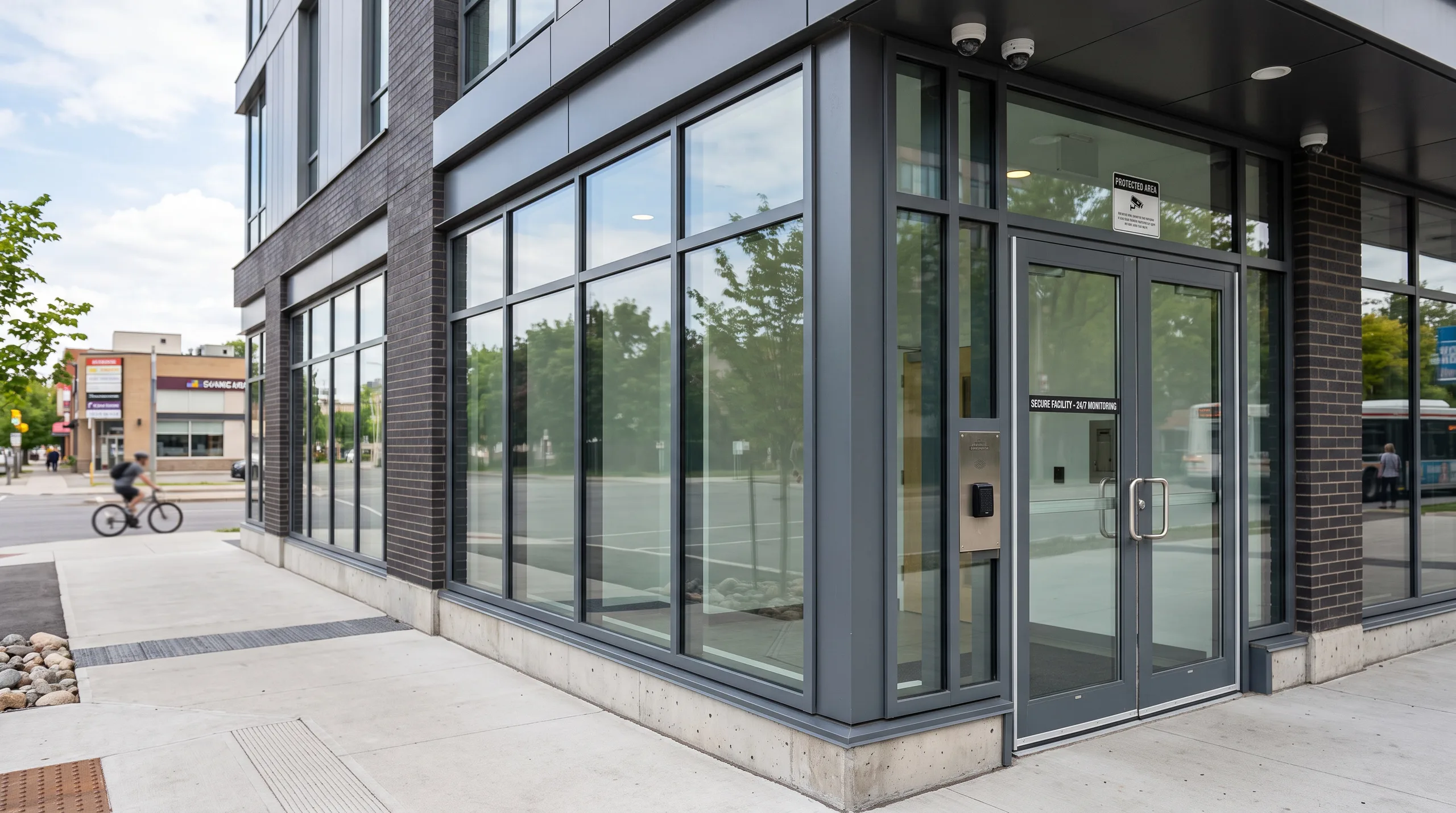
Anti-Graffiti Film. Protect. Peel. Replace.
Anti-graffiti film is a clear sacrificial layer applied to accessible exterior glass, lobby glazing, and ground-floor windows. When vandalized — scratched, acid-etched, or spray-painted — only the film is replaced, not the glass. Essential for Philadelphia secured facilities in high foot-traffic areas and transit-adjacent locations.
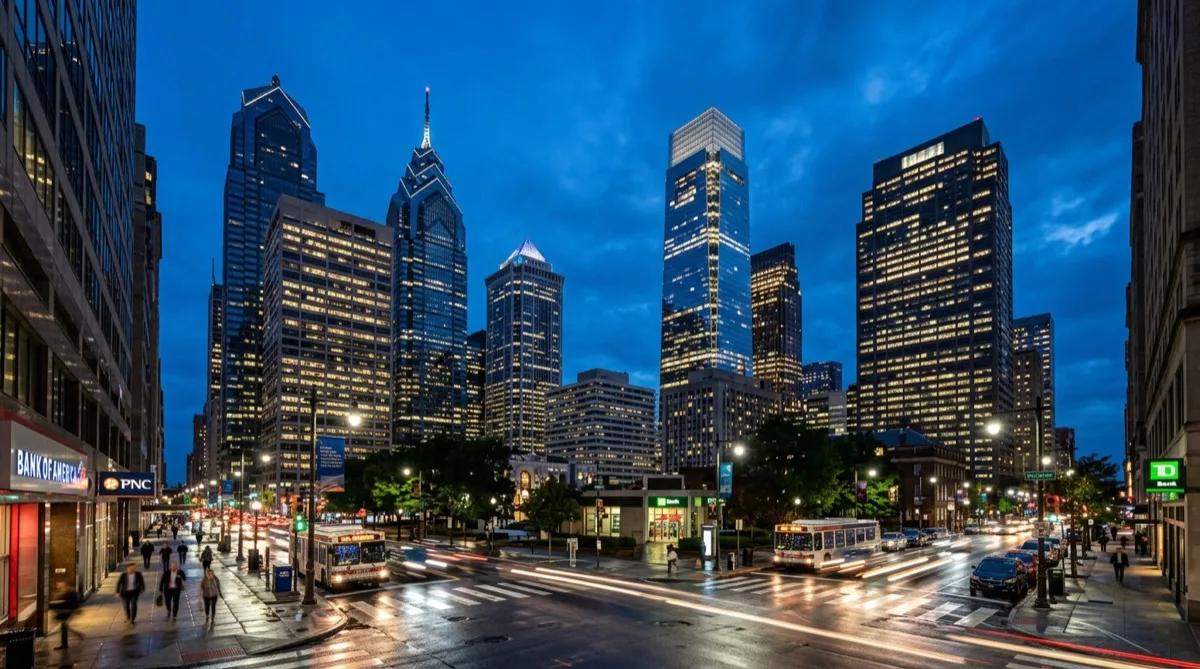
Center City Financial HQ.
Full-Security Retrofit.
Our Work in Philadelphia
Security Window Film
Installed Across Philadelphia
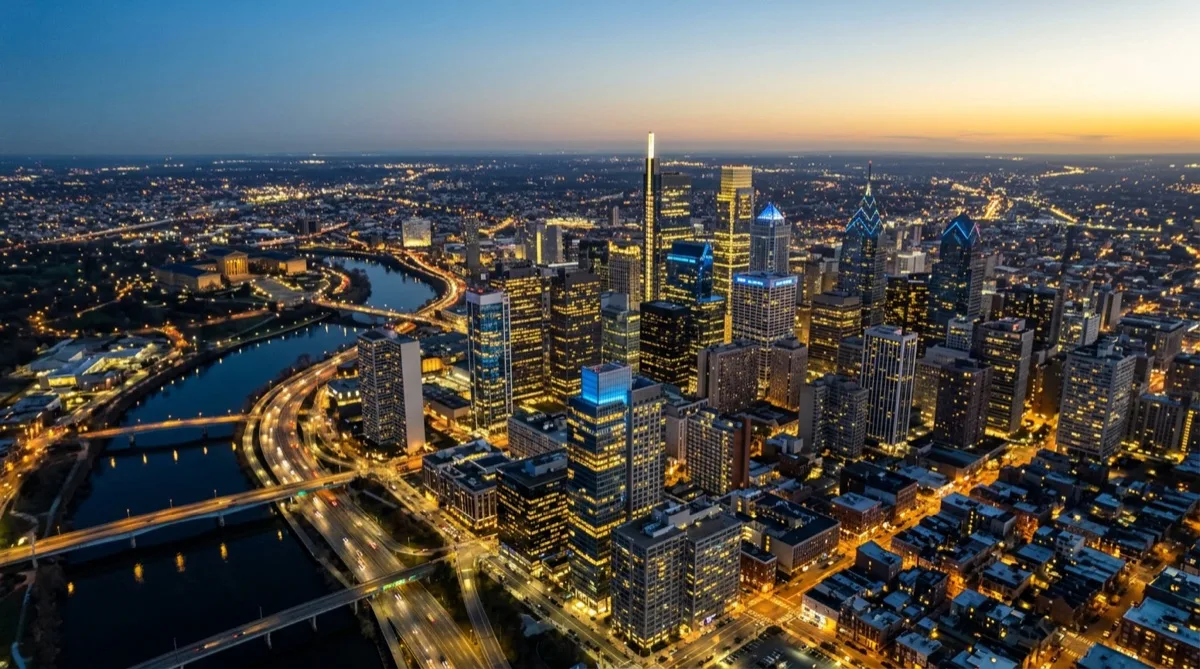
From Center City bank towers to neighborhood police precincts — every installation is specified to the facility's threat profile and executed by our certified Philadelphia security team.

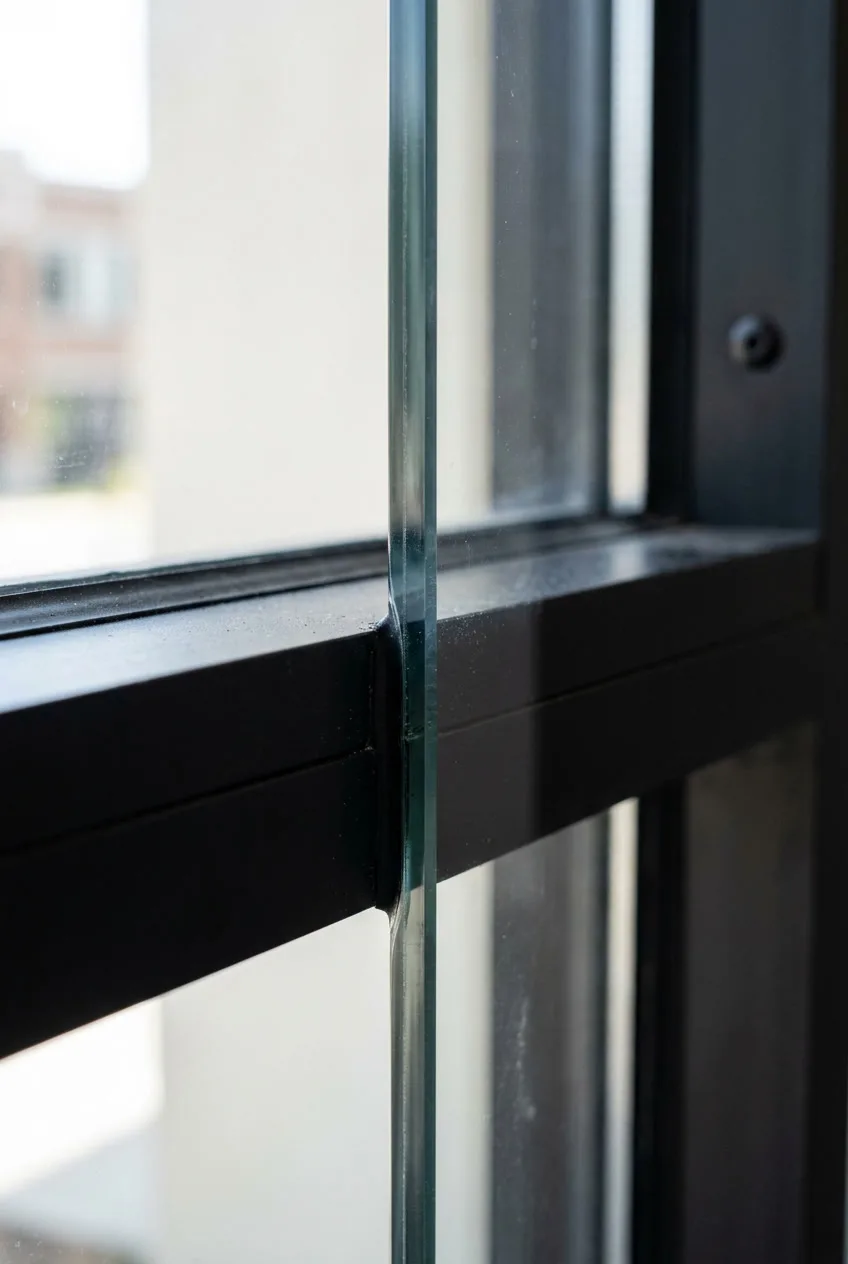
Security film for high-risk applications
Protects equipment, documents, interiors
Film retrofits to existing windows
Across Greater Philadelphia
3M ScotchShield series
From First Call to Finished Installation
01 Free Site Assessment & Consultation +
A certified specialist visits your building to assess glass type, window orientation, existing coatings, and your goals — energy savings, glare control, privacy, security, or all four. We measure square footage, identify any IGU compatibility issues, and bring physical film samples so you can see exactly how each option looks on your glass before committing. No obligation.
02 Specification & Written Proposal +
You receive a written proposal specifying the exact film by manufacturer, SKU, and verified performance data — VLT, SHGC, UV block, and warranty terms. We include a full scope of work and schedule around your operations. Commercial buildings often need evening or weekend installation to avoid tenant disruption; we accommodate that.
03 Professional Installation +
Our factory-trained team applies film using professional-grade tools — glass cleaned, prepped, and inspected before any film is cut. No bubbles, no lifting edges. We work floor by floor and leave the space spotless at the end of each shift.
04 Walk-Through & Warranty +
We walk every window with you before we consider the job done. Every installation is backed by our labor warranty, and manufacturer warranties — up to 15 years commercial on 3M Prestige — transfer directly to the building owner. We provide written documentation of the film specification, installation date, and warranty terms.
What Philadelphia Security Directors Say
Real results from secured facilities across Greater Philadelphia.

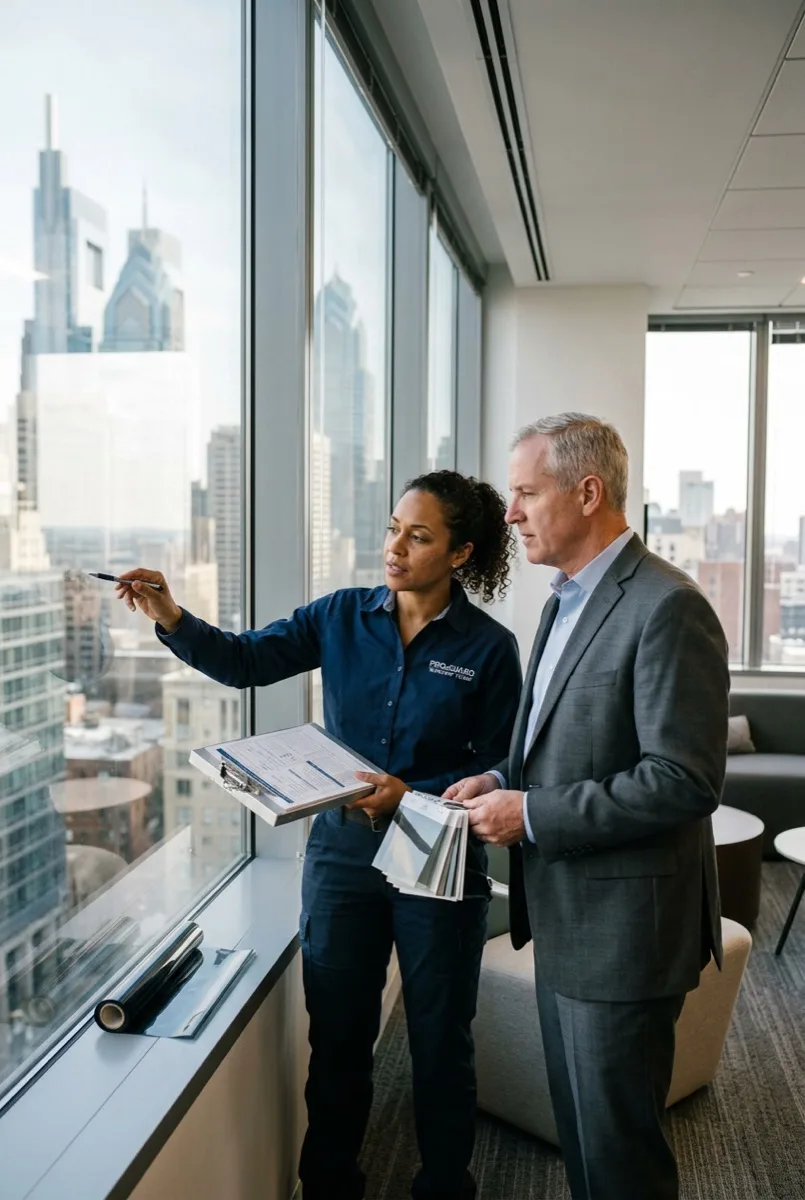
"After a smash-and-grab at a neighboring bank, we knew we had to harden our teller glass. The 3M ScotchShield installation gave us measurable delay in penetration testing. The documentation package satisfied our insurance compliance requirements. Zero disruption to banking operations during installation."
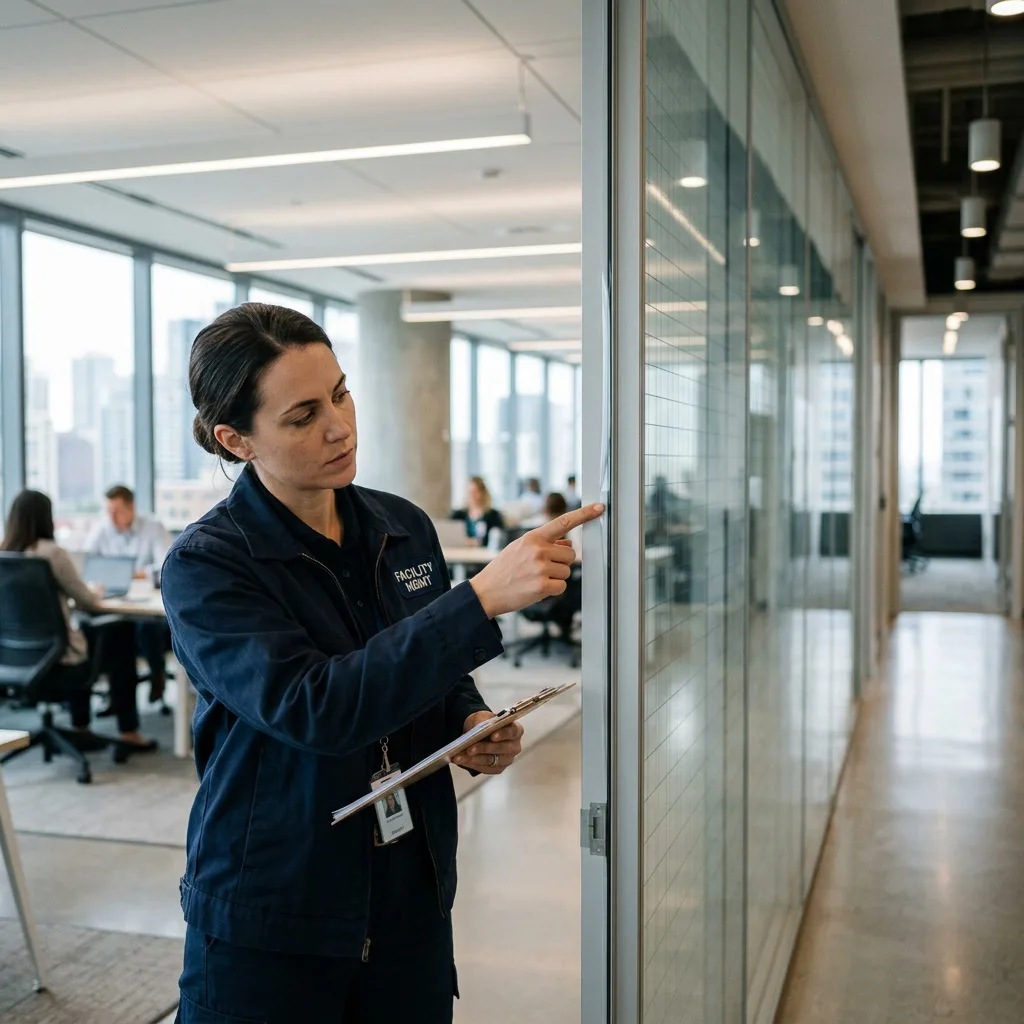
"We manage a data center that required forced entry delay at perimeter glass for insurance compliance. The C-Bond Secure primer combined with security film gave us the documentation we needed. The team worked around our 24/7 operations — no downtime, no compromised security during installation."
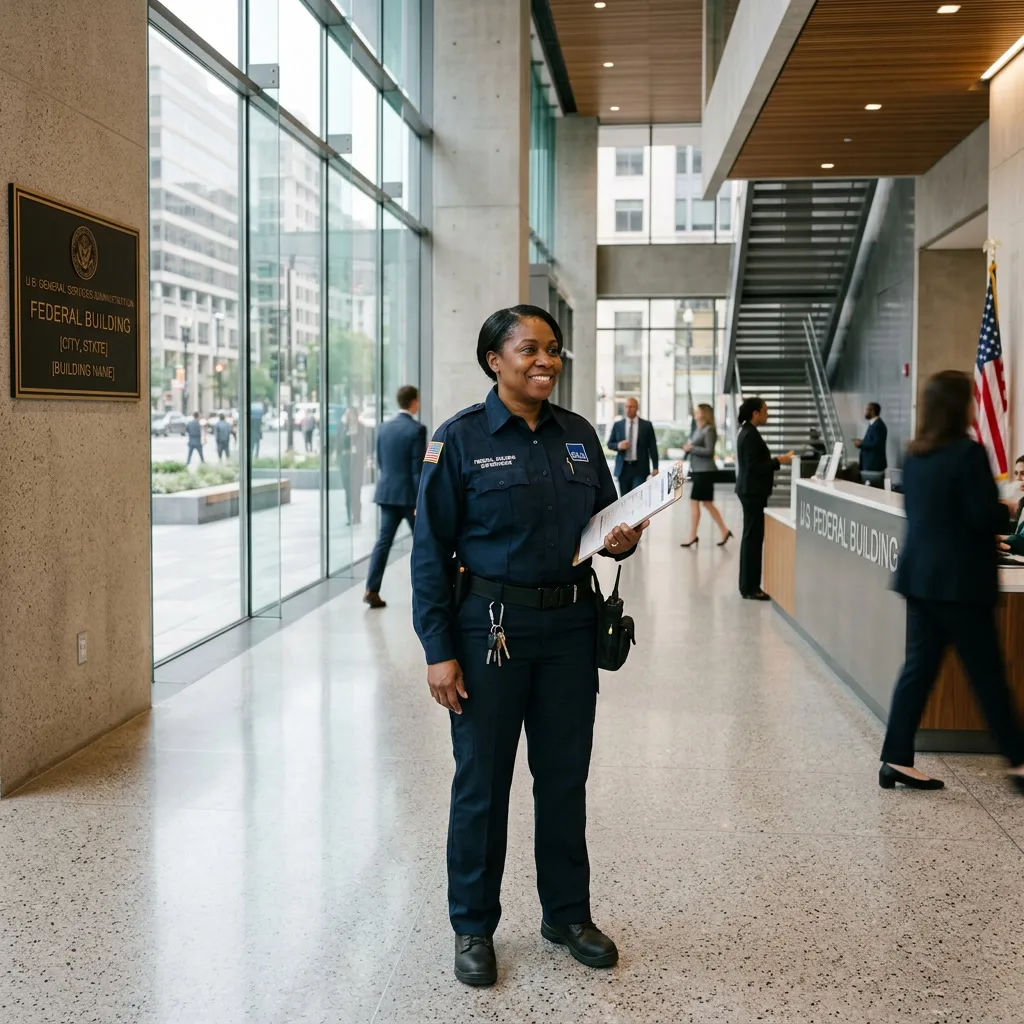
"Our federal facility needed blast mitigation film that met GSA context requirements. The team provided full test documentation and chain-of-custody records. The attachment system installation was clean and professional. Our compliance officer was satisfied with every detail of the specification package."
Security Window Film Across Greater Philadelphia
Our installation crews are Philadelphia-based. We serve secured facilities throughout the city and surrounding counties — no travel surcharge within the service area.
Manufacturer Resources
Security Window Film — Case Studies & Spec Data
Download official case studies and technical data sheets from 3M, Solar Gard, Madico, and C-Bond. These documents contain verified security performance data, blast mitigation test context, and product specifications for the security films we install in Philadelphia secured facilities.
- 3M ScotchShield Ultra Series — Safety & Security Window Film Technical Data
- 3M ScotchShield — Blast Mitigation Safety Spec (ASTM F1642 context)
- 3M ScotchShield — Armed Forces Service Center Case Study
- Solar Gard Armorcoat — Safety & Security Window Film Specs
- C-Bond BRS — Ballistic Resistant System Specifications
- Madico — Safety & Security Film Bullet Resistance Statement
- Madico SafetyShield — Security Window Film Specifications
Frequently Asked Questions
Honest answers about security window film for Philadelphia secured buildings from specialists with over 15 years of security installation experience.
Talk to a SpecialistSafety film (4–8 mil) holds glass fragments together after accidental breakage to reduce injury risk. Security film (8–15 mil) adds a thicker adhesive layer designed to delay forced entry and slow sustained attacks. Ballistic-resistant film is the highest grade — a multi-layer PET system engineered to resist projectile penetration, often paired with C-Bond Secure primer. The right choice depends on your facility's threat profile, glass type, and security requirements.
Blast mitigation film systems are engineered and tested in the context of ASTM F1642 airblast loading and GSA TS01 performance classification. We specify and install film systems that are tested to these standards — but performance depends on glass type, frame condition, attachment method, and installation quality. We provide documentation of the film specification and test context for your facility's compliance file.
When glass breaks under impact, security film holds the broken pane together in the frame. Instead of stepping through shattered glass in seconds, an intruder must continue attacking the filmed opening to gain entry. This delay — often measured in minutes rather than seconds — buys critical response time for security personnel and alarm systems. Attachment systems that anchor the filmed glass to the frame further increase the delay.
No. Ballistic-resistant window film is a retrofit multi-layer system that delays and resists projectile penetration — it is not bulletproof glass. Bulletproof glass is a heavy laminated glazing designed to stop specific rounds. Film-based ballistic systems can be applied to existing windows without structural modifications, making them a practical alternative when full glass replacement is not feasible. Only a tested system can be described by a specific resistance rating such as UL 752.
C-Bond BRS (Ballistic Resistant System) pairs security film with C-Bond Secure, a nanotechnology primer applied to the glass before film installation. The primer fills microscopic glass defects and improves adhesion, clarity, and cure behavior. The combined system is designed to resist projectile threats and is described with tested rating context. We verify current C-Bond documentation before specifying a system for your facility.
Yes. Security window film is a passive 24/7 protection layer — it works continuously without electronics or maintenance. It complements active alarm and access control systems rather than competing with them. When an impact occurs, film holds the glass in place and slows entry, which can trigger sensors faster and give security personnel critical response time. It is one layer in a comprehensive physical security plan.
Safety film for basic fragment retention typically runs 4–8 mil. Security film for delayed entry and smash-and-grab resistance starts at 8 mil and goes up to 15 mil for high-risk applications. Blast mitigation and ballistic-resistant systems use multi-layer configurations specified to the threat level. Thicker film generally provides more impact resistance, but the right choice also depends on glass type, frame strength, attachment method, and threat assessment. We assess all factors during your site evaluation.
Modern security films are available in clear, tinted, reflective, and solar-control versions. Clear security film is virtually invisible — it maintains the professional appearance of your facility without any visible change. Tinted and reflective options can add one-way daytime privacy for sensitive operations. We bring samples to every site visit so you can see exactly how each option looks on your glass before committing.
Yes. Security film is a retrofit solution designed for existing glass — it bonds directly to the interior or exterior surface of your current windows. For historic government buildings with single-pane glass where replacement is not feasible due to preservation constraints, security film provides a reversible, non-destructive security upgrade. We assess glass type, age, and frame condition before recommending a specific film system.
Manufacturer warranties for commercial security film typically run 10–15 years covering delamination, bubbling, and color shift. Our labor is separately warranted. For government, military, and financial facilities, we provide full documentation including film specifications, compliance certifications, chain-of-custody records, and test data context as required by your security protocols.
Ready to Secure Your Philadelphia Facility?
Get a free security assessment — we'll evaluate your glass, your threat profile, and your compliance requirements, and give you a written proposal with verified test data and specification documentation. No obligation, no pressure.