
Church Window Film
for Philadelphia Congregationsfor Philadelphia's Historic Cathedralsfor Philadelphia Parish Churchesfor Philadelphia Synagoguesfor Philadelphia Fellowship Hallsfor Philadelphia Sanctuaries
Church window film for Philadelphia protects historic stained glass, blocks UV, improves energy performance in aging sanctuaries, reduces glare for congregation comfort, and strengthens vulnerable entry glass for the city's diverse religious communities.
Trusted by Philadelphia facilities teams, property managers, congregations, and preservation-minded building stewards











Window Film Built for Philadelphia's Historic and Active Congregations
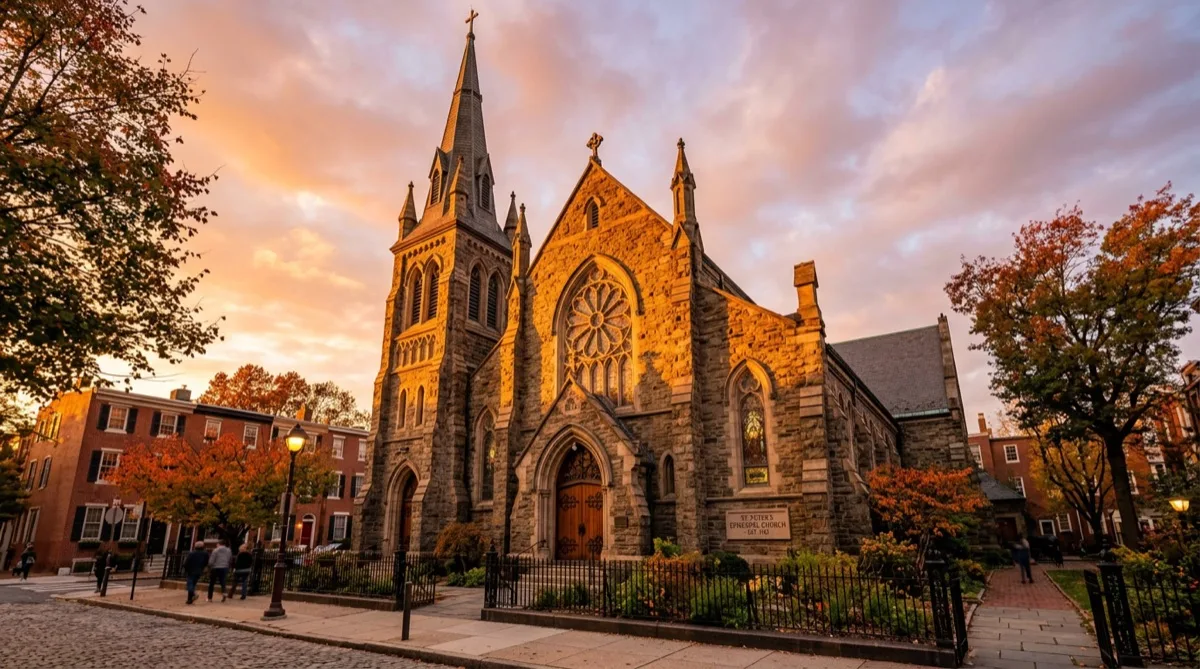
Philadelphia has one of the densest concentrations of historic religious architecture in America: Old Christ Church (1727), Mother Bethel AME (1794), St. Peter's Episcopal (1758), Mikveh Israel, and hundreds of 19th-century parish churches. These buildings are sacred spaces, community anchors, and historic fabric all at once.
That creates two distinct window challenges. First, conservation-grade UV protection for stained glass is fundamentally different from standard window film. The film protects historic glass indirectly by going on interior clear protection panels, not on the stained glass itself. Second, church window film for Philadelphia congregations can improve energy efficiency in buildings designed before modern insulation, especially sanctuaries with high ceilings and single-pane windows.
As a 3M Certified Dealer with conservation-aware installation training, Window Film Philadelphia specifies films for preservation goals, congregation comfort, and the practical budget pressures churches face. We also support documentation for preservation review with resources from the City of Philadelphia, the American Institute for Conservation, and product manufacturers.
Philadelphia's Historic Churches Face a Unique Combination of Pressures
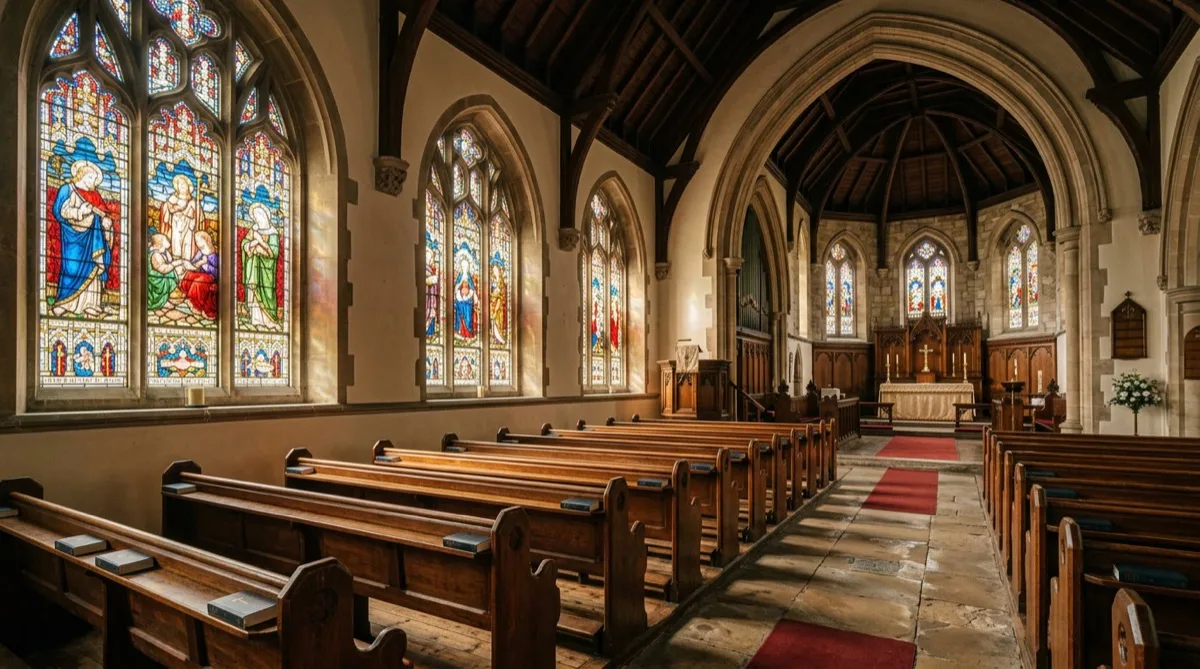
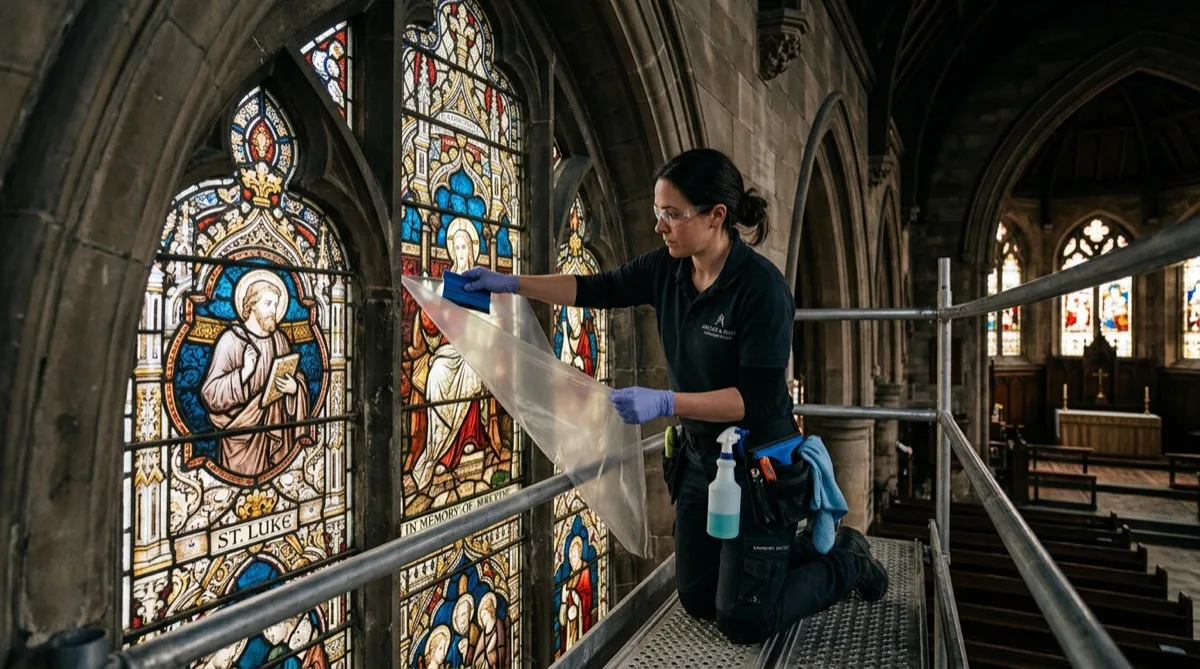
Stained glass windows require UV protection from inside the building. In the correct conservation approach, church window film for Philadelphia sanctuaries goes on interior clear glass panels installed inside the original stained glass. It does not go on the stained glass itself.
- UV radiation slowly degrades historic stained glass, wood furnishings, textiles, paintings, and memorial materials.
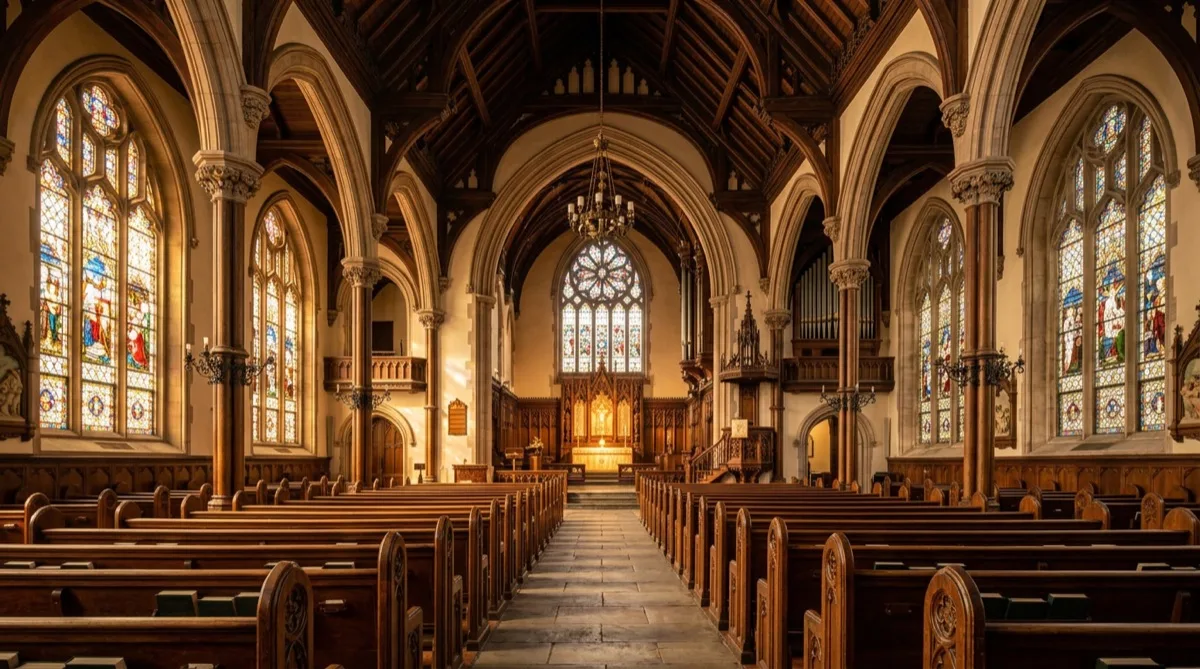
- Sanctuaries with 20- to 40-foot ceilings and single-pane windows make heating and cooling expensive for congregations on tight budgets.
- Morning and afternoon glare can affect worship, choir areas, classrooms, and fellowship hall gatherings.
- Street-level glass, entry doors, and accessible windows need protection from vandalism, etching, and forced entry.
Conservation-Grade Film for Philadelphia's Religious Heritage
One product family can preserve materials, improve comfort, and protect vulnerable glass without changing the building's character.
99% UV Blocked
Protects historic stained glass, wood furnishings, and textiles from UV degradation.
Year-Round Comfort
Solar control in summer and insulating effect in winter for high-ceiling sanctuaries.
3M Certified Dealer
Trained in conservation-grade installation for historic religious buildings.
PHC Compliant
Philadelphia Historical Commission-compatible installation approach with documentation support.
Window Film for Every Philadelphia House of Worship
Historic cathedrals, parish churches, modern campuses, synagogues, and interfaith buildings all need different film specifications.
Historic Cathedrals & Basilicas
Historic stained glass requires conservation-grade UV film installed on interior clear protection panels — never on the stained glass itself. We assess each window's thermal profile and glass type before specifying film, and provide full documentation for Philadelphia Historical Commission review when required.
Neighborhood Parish Churches
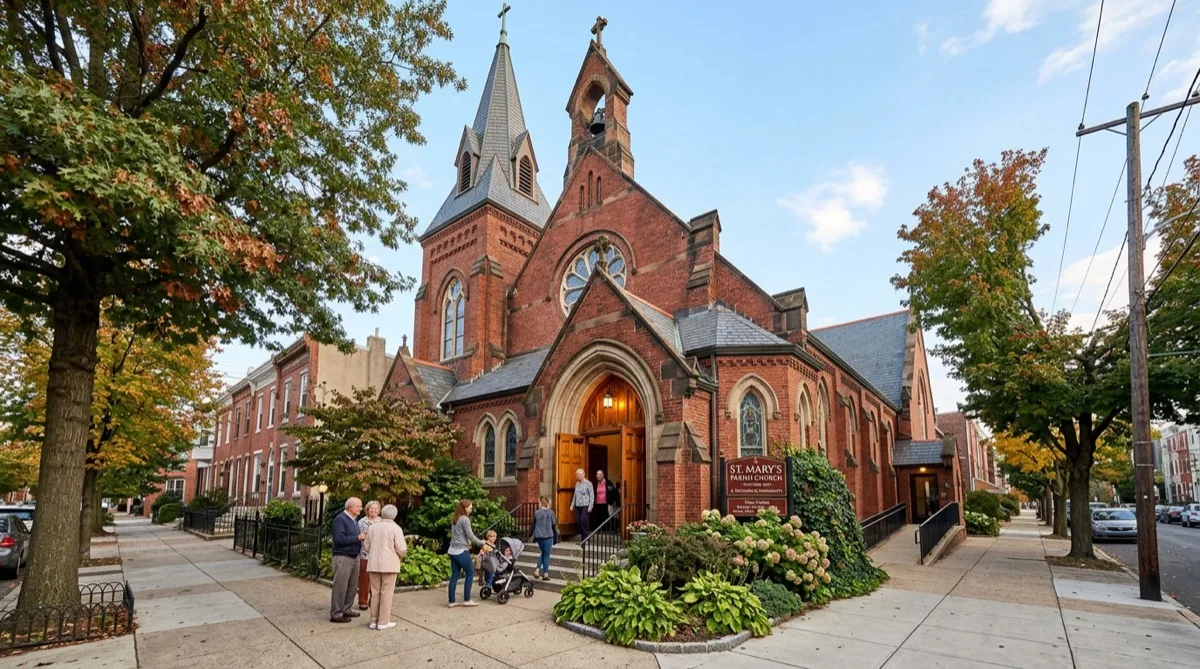
Single-pane windows cause significant heat loss in winter and heat gain in summer — low-e energy film addresses both in one installation.
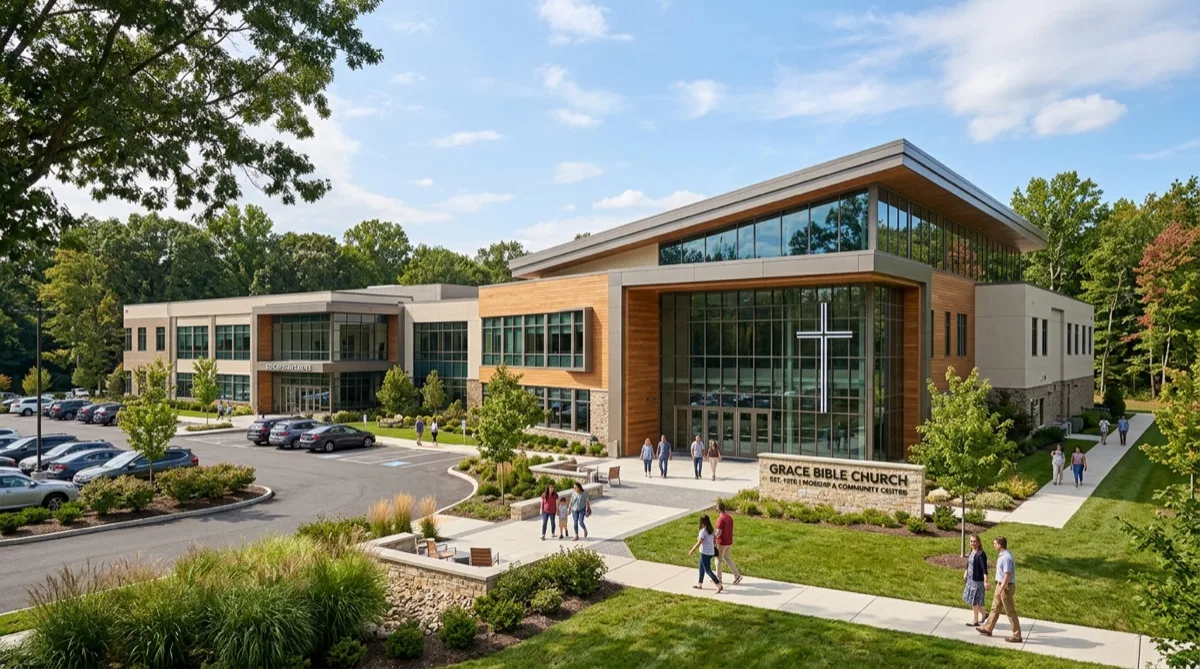
Modern Multi-Campus Facilities
Contemporary glass panels in fellowship halls and sanctuary wings benefit from solar control film — reducing heat gain without compromising the open, light-filled design.
Fellowship Halls & Community Spaces
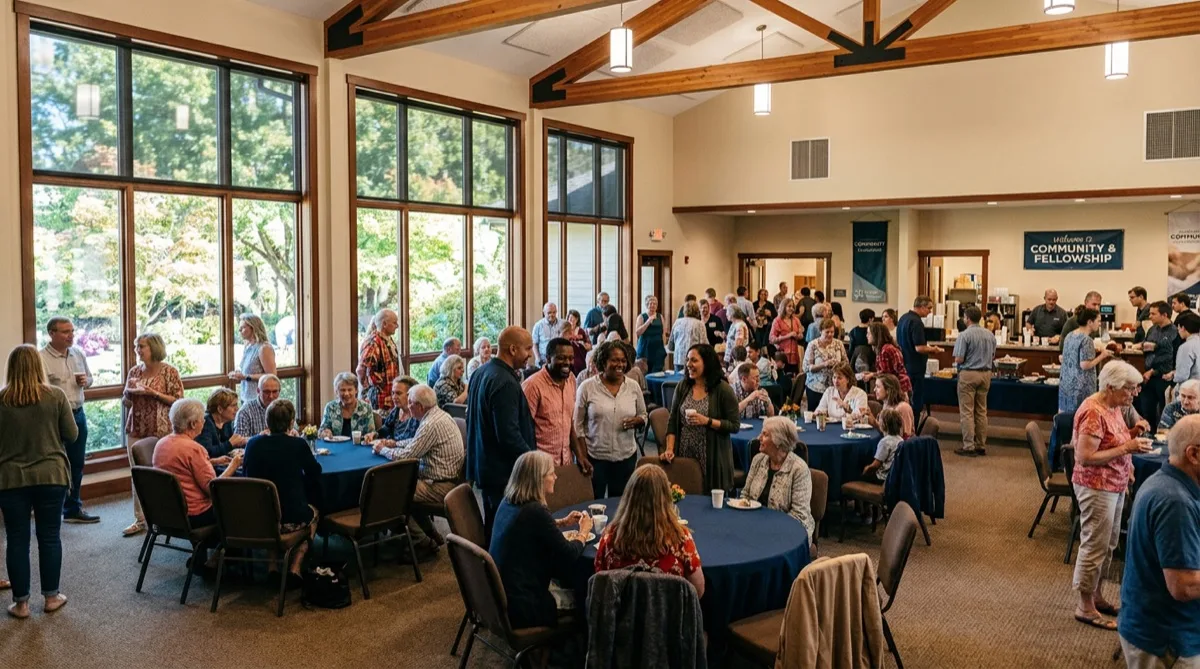
Fellowship halls host meals, classes, and community events year-round. Solar control film reduces afternoon heat in summer; low-e film helps retain warmth through the tall windows that make these spaces feel welcoming. Both improve comfort without adding HVAC load.
Church Offices & Administrative Areas
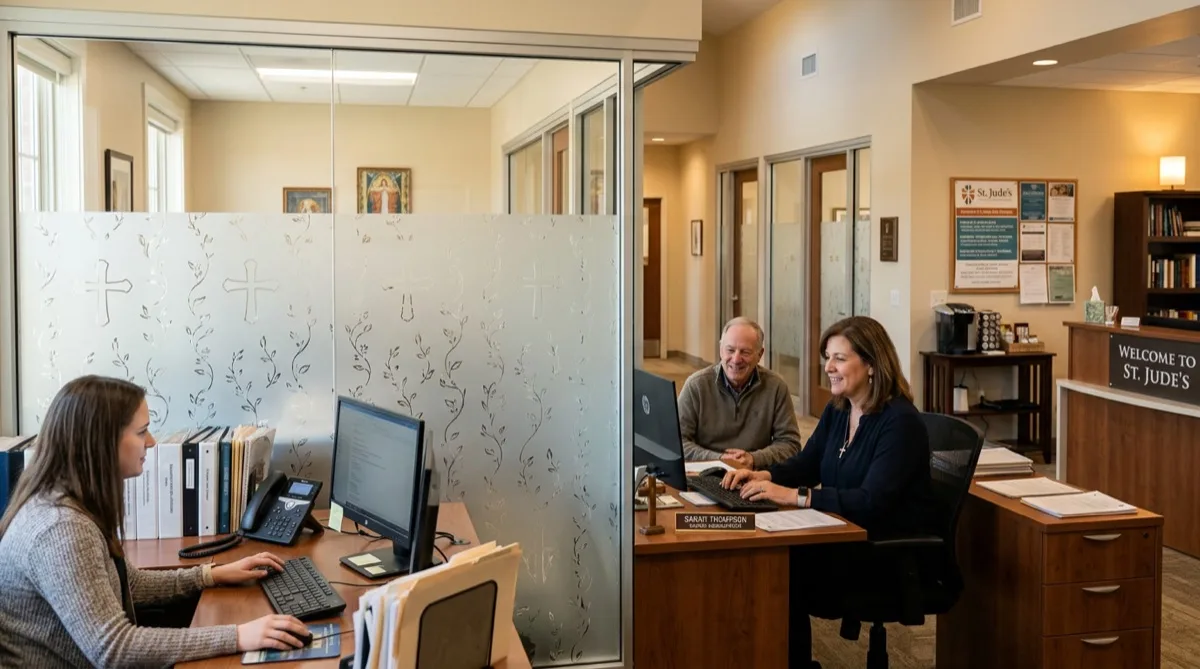
Pastoral offices, financial records rooms, and HR areas in church buildings benefit from frosted or one-way privacy film on corridor-facing glass — maintaining a welcoming, open feel while protecting confidential conversations and sensitive documents from public view.
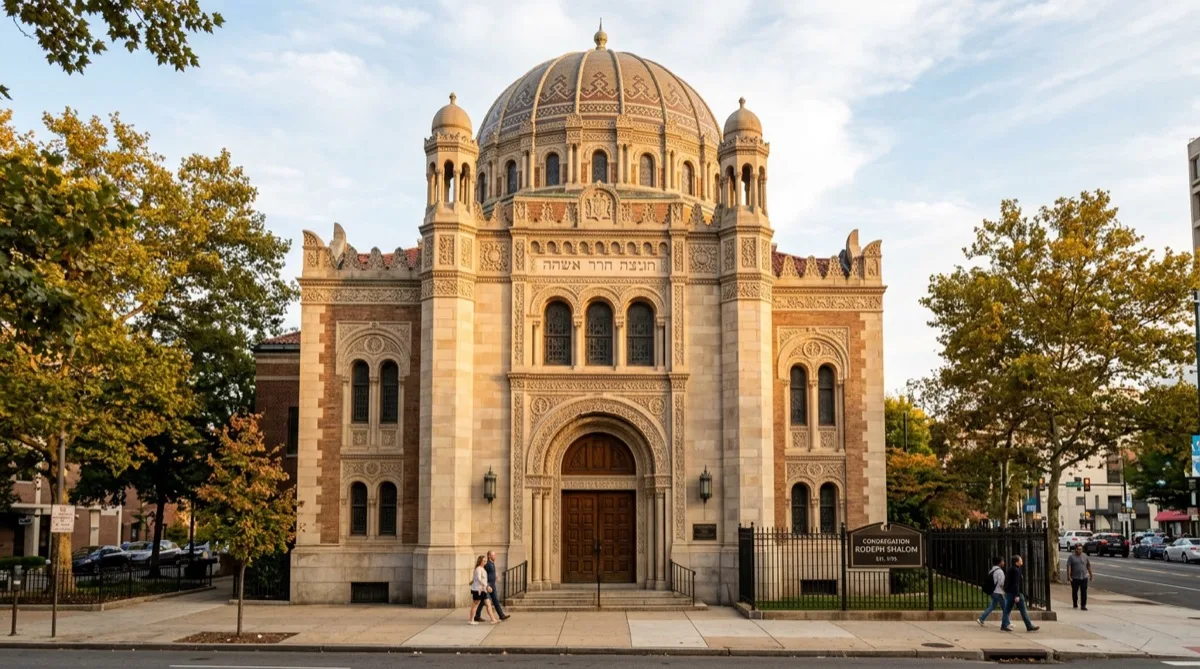
Synagogues & All Faith Traditions
Every faith tradition served. UV film for Torah ark and sacred textile areas, security film on entry glass, PHC compliance documentation for landmark buildings across Philadelphia.
How does window film serve historic and active congregations?
Church window film for Philadelphia buildings addresses preservation, comfort, energy performance, and security from the existing glass outward.
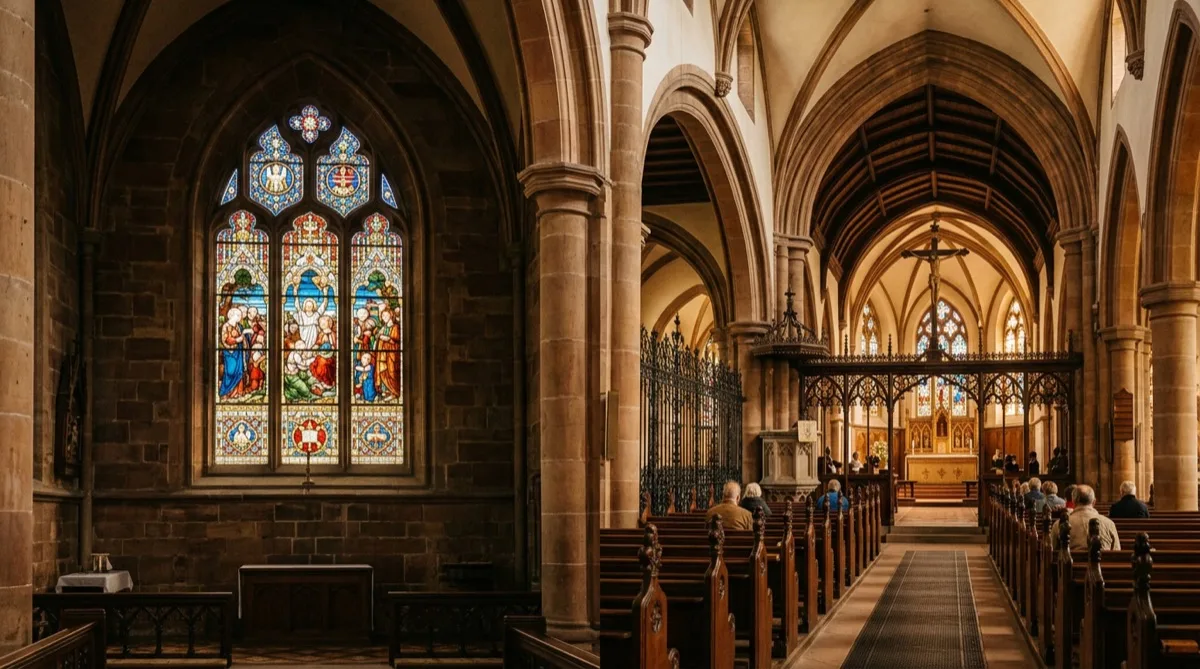
UV Film That Protects What Makes Philadelphia's Churches Irreplaceable
Historic stained glass windows — the medieval-inspired rose windows, figural panels, and memorial glass of Philadelphia's 19th-century churches — are irreplaceable. UV radiation causes the organic dyes and associated historic materials to fade over decades, especially where sunlight strikes wood furnishings, textiles, and painted finishes.
Conservation-grade UV window film is installed on interior clear glass panels, not on the stained glass itself. That distinction matters: church window film for Philadelphia preservation work provides 99% UV rejection without altering the visible light character of the stained glass. Learn more about UV-blocking window film in Philadelphia.
- Film is applied to compatible clear panels, not historic art glass.
- 99% UV rejection protects glass-adjacent finishes and furnishings.
- Compatible with preservation guidance from the National Park Service.
Cut the Energy Bills That Drain Philadelphia Congregations' Resources
A historic church with 40-foot ceilings, single-pane windows, and stone walls loses heat in winter and gains heat in summer at rates that modern HVAC systems struggle to compensate for. Energy performance is not just a facilities issue; it affects what a congregation can spend on ministry, staffing, outreach, and building care.
3M Thinsulate Climate Control window film improves both summer solar rejection and winter insulation through a Low-E coating — a dual benefit for buildings with poor baseline thermal performance. Many congregations see measurable comfort improvement in their first heating or cooling season. See ENERGY STAR buildings guidance and our energy savings window film page.
- Low-E film reflects interior heat back into the space during winter.
- Solar control reduces heat gain in fellowship halls and sanctuary wings.
- Product documentation helps facilities committees compare film options.
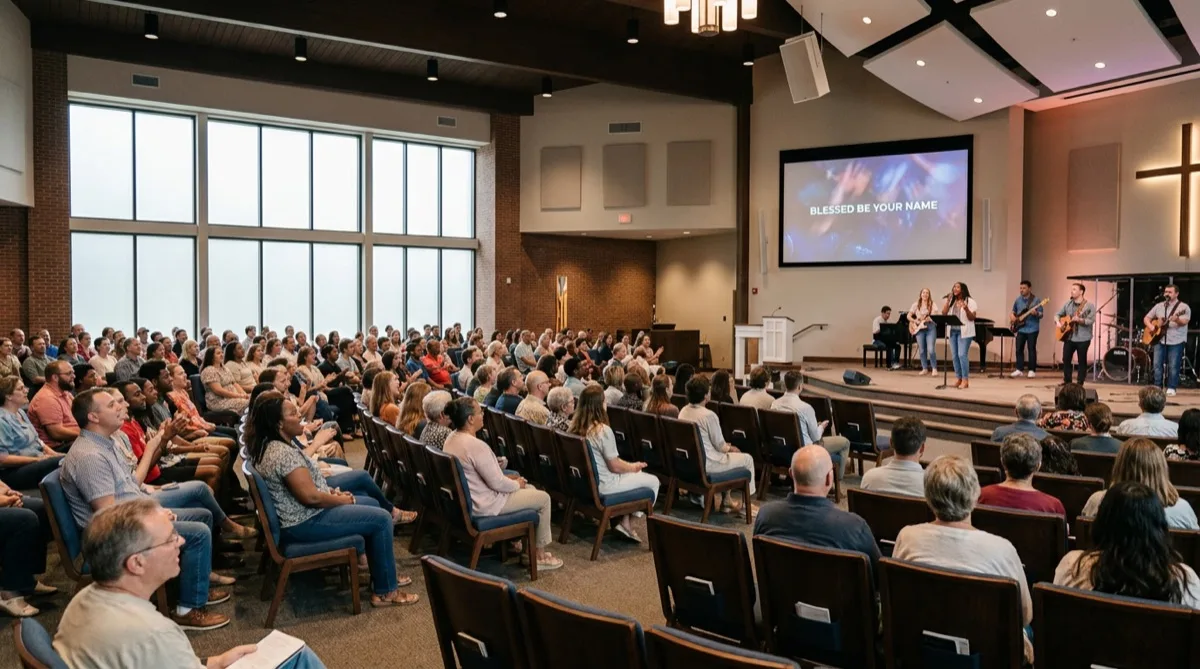
Services and Fellowship Without the Glare and Temperature Swings
Congregants sitting near windows during morning services often experience intense glare during summer months. Afternoon fellowship hall events can become uncomfortably hot, especially in rooms with large clear panes and limited shade.
Glare reduction film cuts glare by up to 90% while maintaining the warmth and beauty of natural light, which is essential for worship spaces where light quality matters. Church window film for Philadelphia sanctuaries can also reduce temperature swings near windows, making services, meetings, and fellowship events easier to use year-round.
- Reduces harsh light without closing blinds over meaningful windows.
- Helps fellowship halls, classrooms, and offices feel more stable.
- Preserves natural light quality for worship and community events.
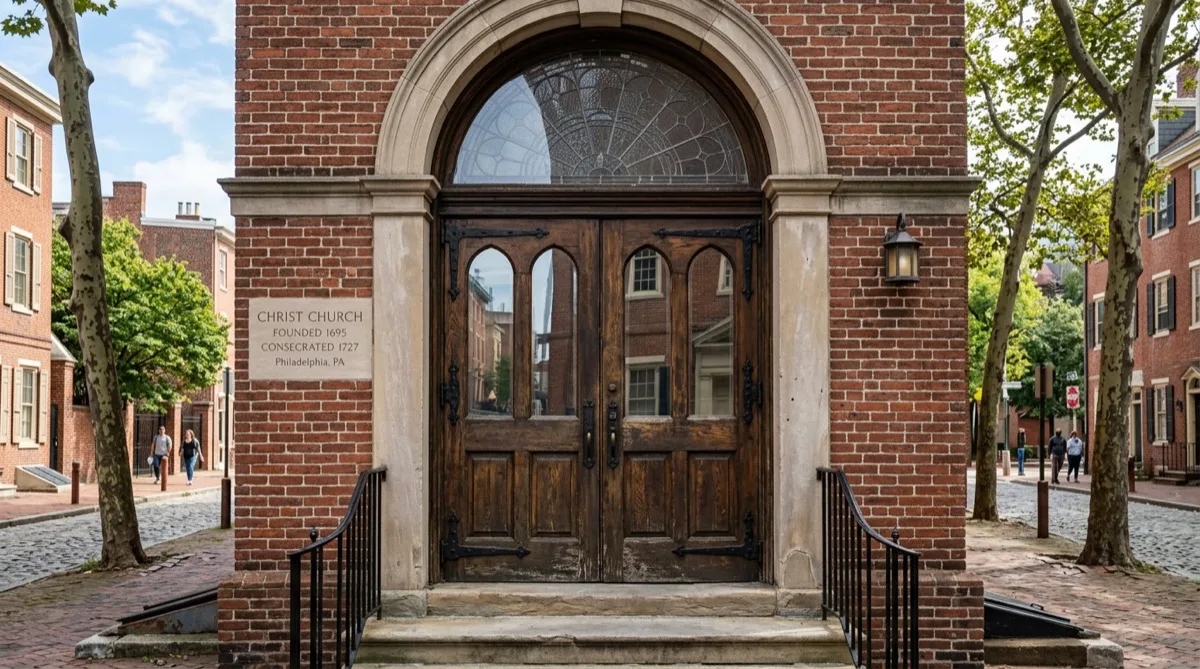
Protect Your Congregation and Your Building's Irreplaceable Glass
Churches face real security concerns: theft, vandalism, glass etching, and forced entry through doors or accessible windows. Anti-intrusion film on entry glass doors delays forced entry, buying time for response and reducing the chance that broken glass becomes an immediate hazard.
Anti-graffiti film on accessible glass, metal, and mirrors prevents permanent etching damage because the sacrificial layer can be replaced. For churches that have experienced previous break-ins or vandalism, security film is a meaningful passive deterrent. See our anti-graffiti film and safety and security film resources.
- Protects glass, metal, and mirrors — not just windows.
- Security film holds broken glass together after impact.
- Anti-graffiti film protects street-level architectural glass.
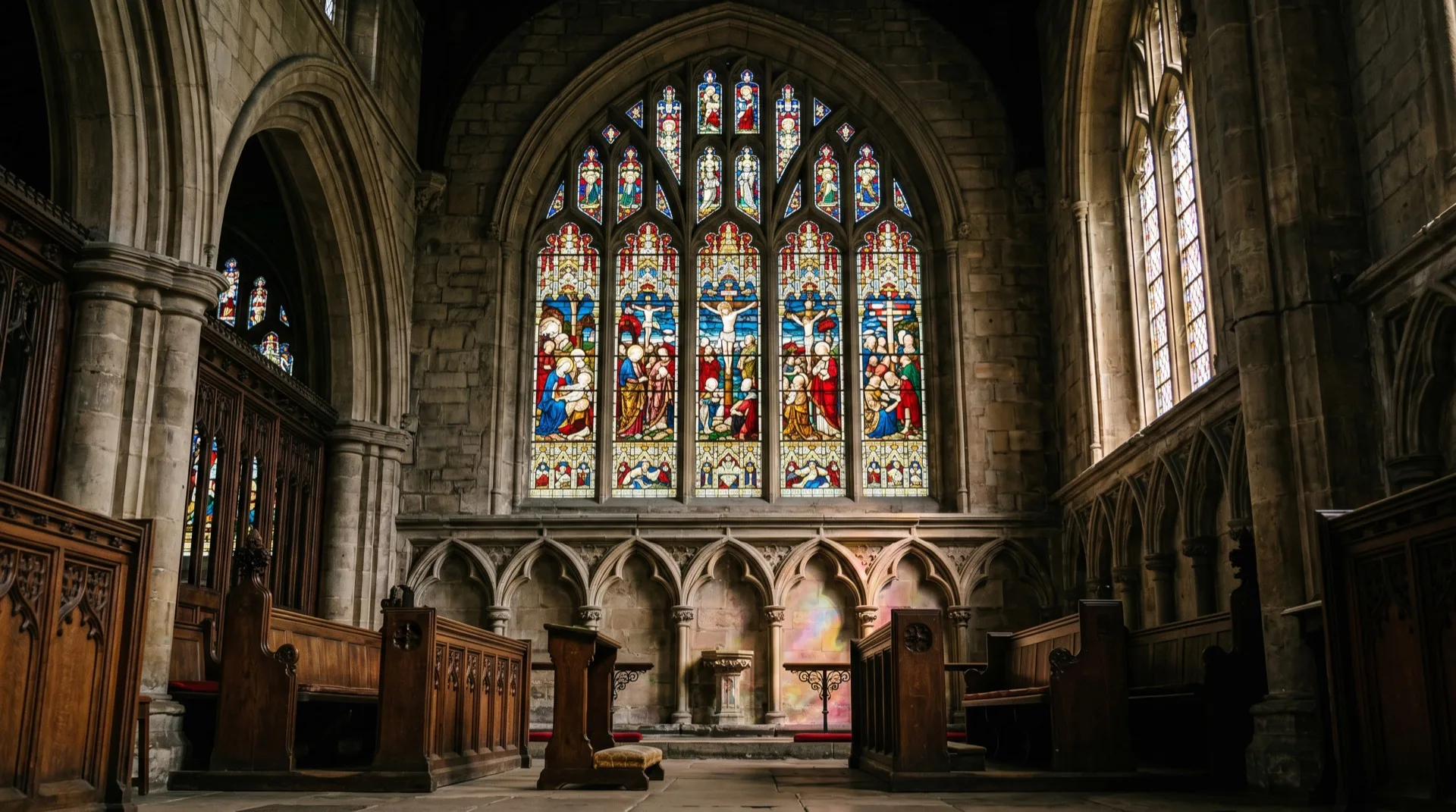
UV Conservation Film. Protect the Glass Behind the Glass.
Clear conservation-grade UV film protects stained glass, memorial windows, wood, textiles, and painted finishes while preserving the light character of the sanctuary.
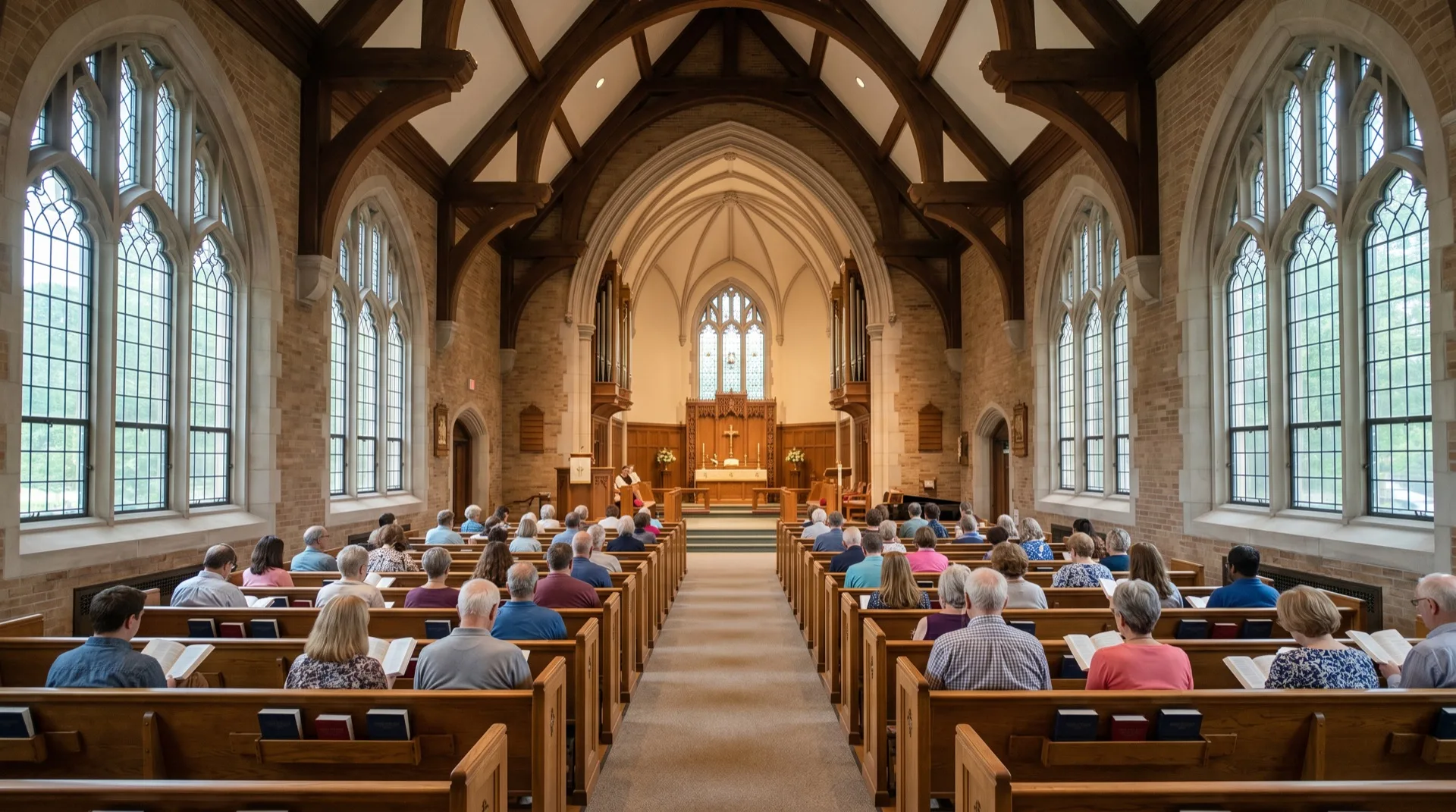
Solar Control Film. Relief for High Ceilings.
Solar control and Low-E films help high-ceiling sanctuaries, parish halls, and classrooms manage heat gain in summer and heat loss in winter.
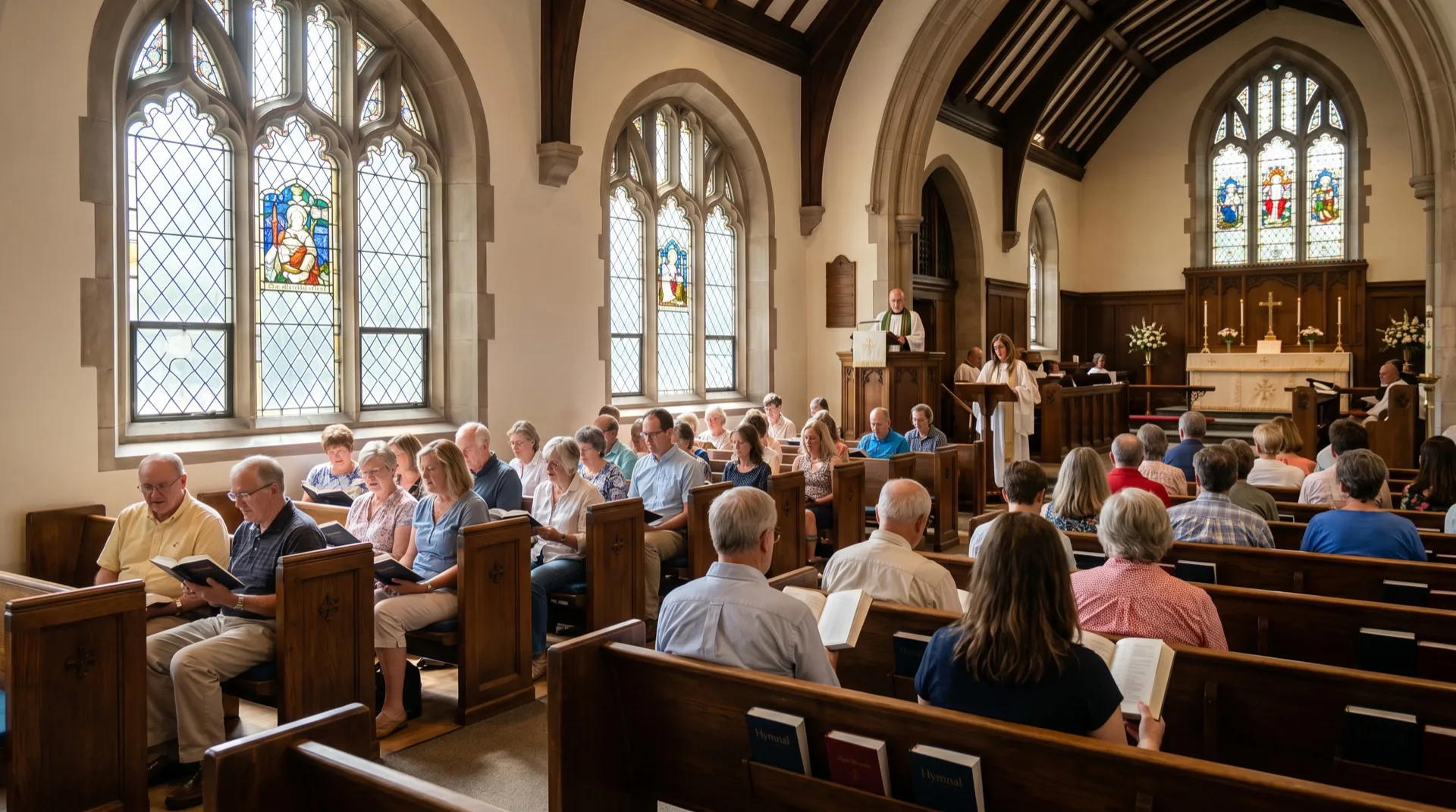
Glare Reduction Film. Comfort Without Losing Light.
Glare reduction film softens harsh sun during services, music rehearsals, classroom use, and fellowship hall events while preserving the warmth of natural light.
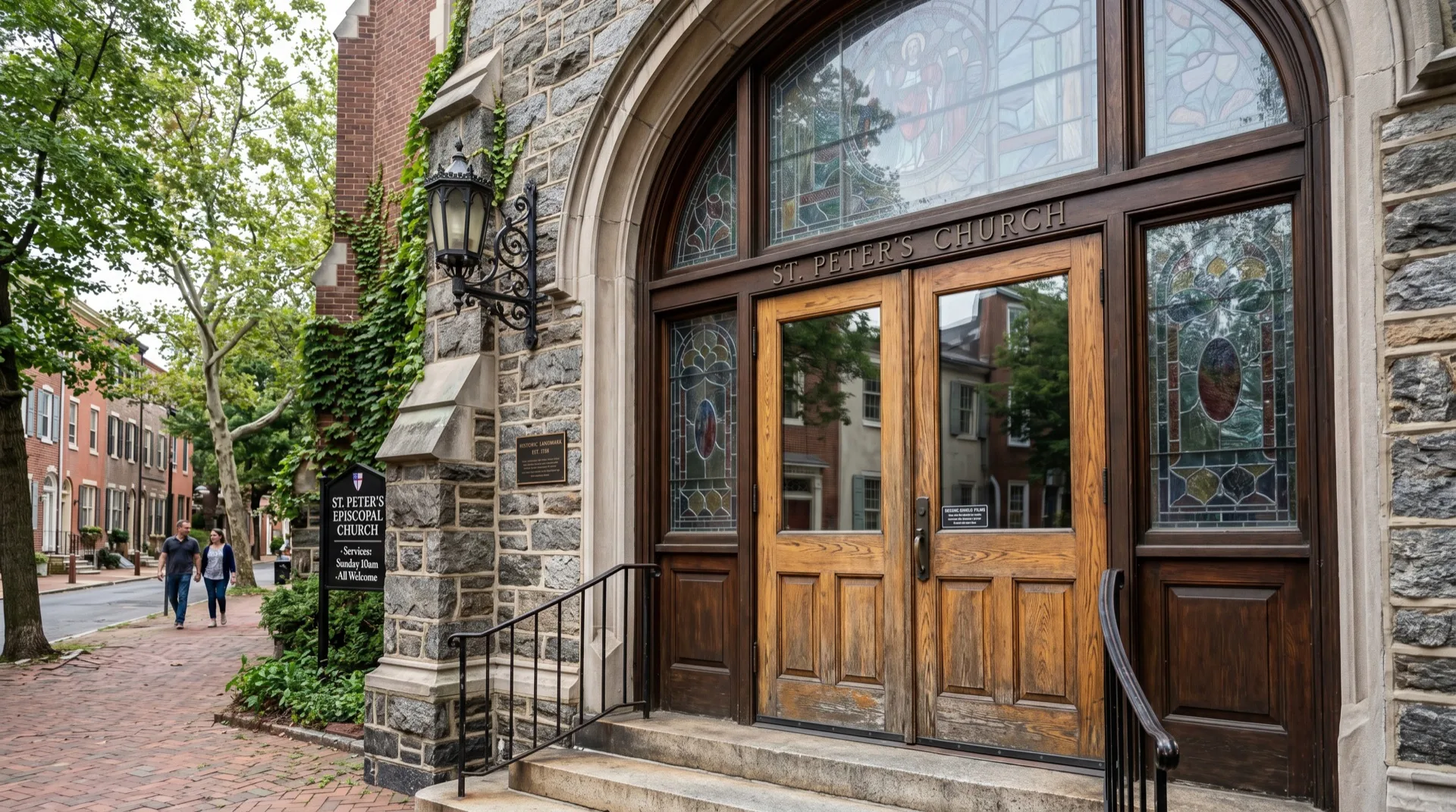
Security & Anti-Intrusion Film. More Time When Glass Breaks.
Security film reinforces entry doors, sidelites, offices, and accessible windows by holding shattered glass together after impact.
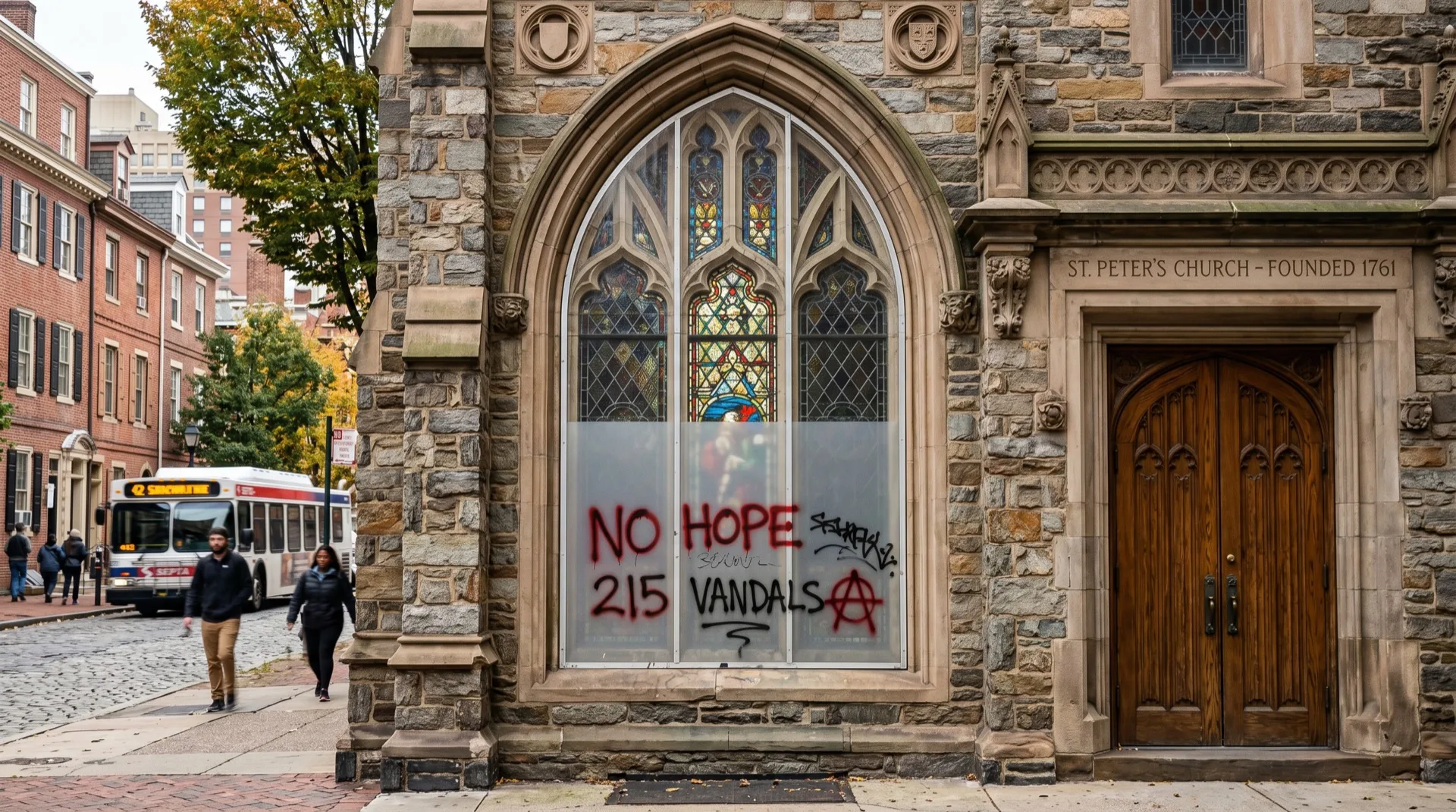
Anti-Graffiti Film. Sacrificial Surface Protection.
Anti-graffiti film protects glass, metal, and mirrors from etching, scratching, and tagging, especially on street-level panels and accessible entry areas.
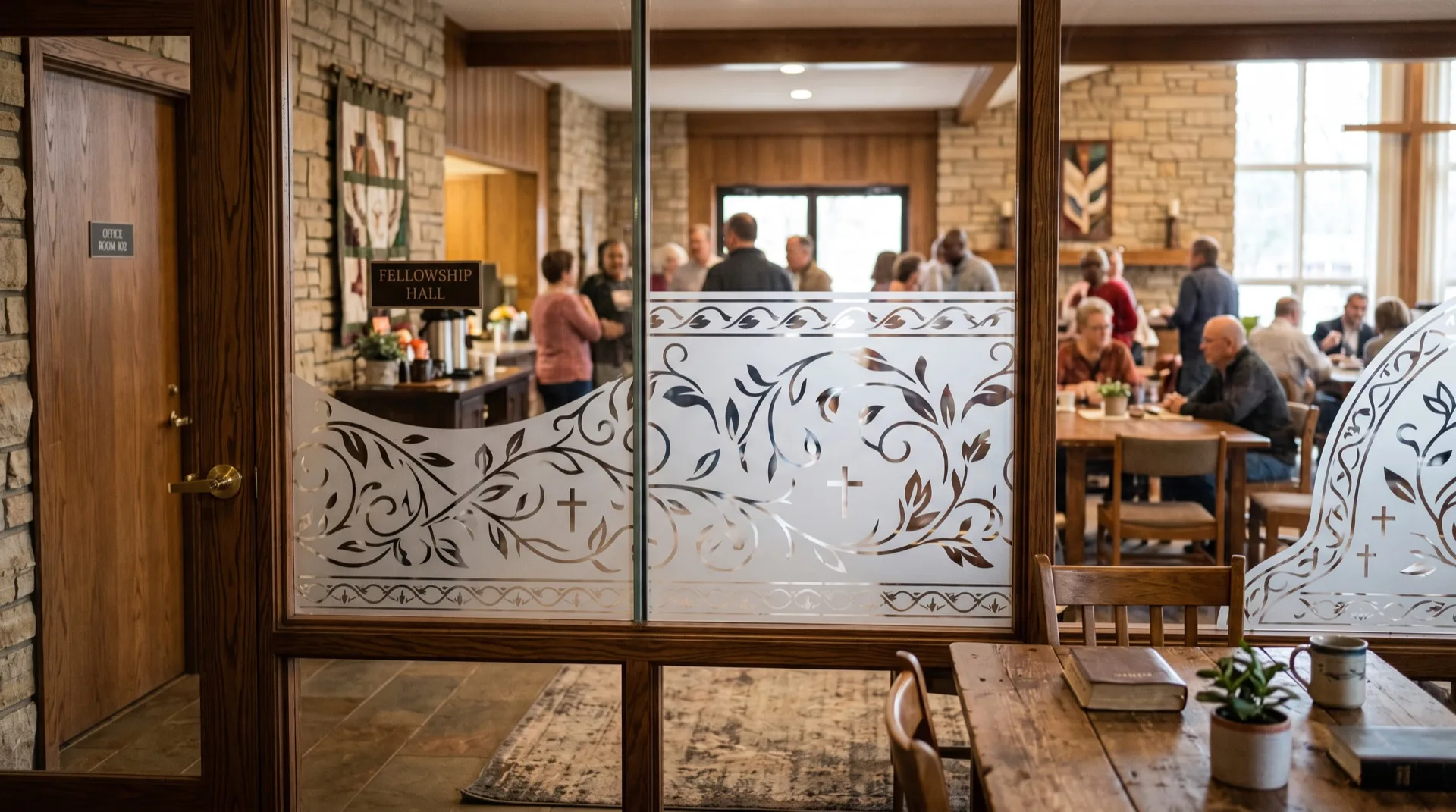
Decorative Film. Privacy for Working Spaces.
Decorative, frosted, and patterned film adds privacy in church offices, counseling rooms, classrooms, and fellowship hall partitions without permanent etched glass.
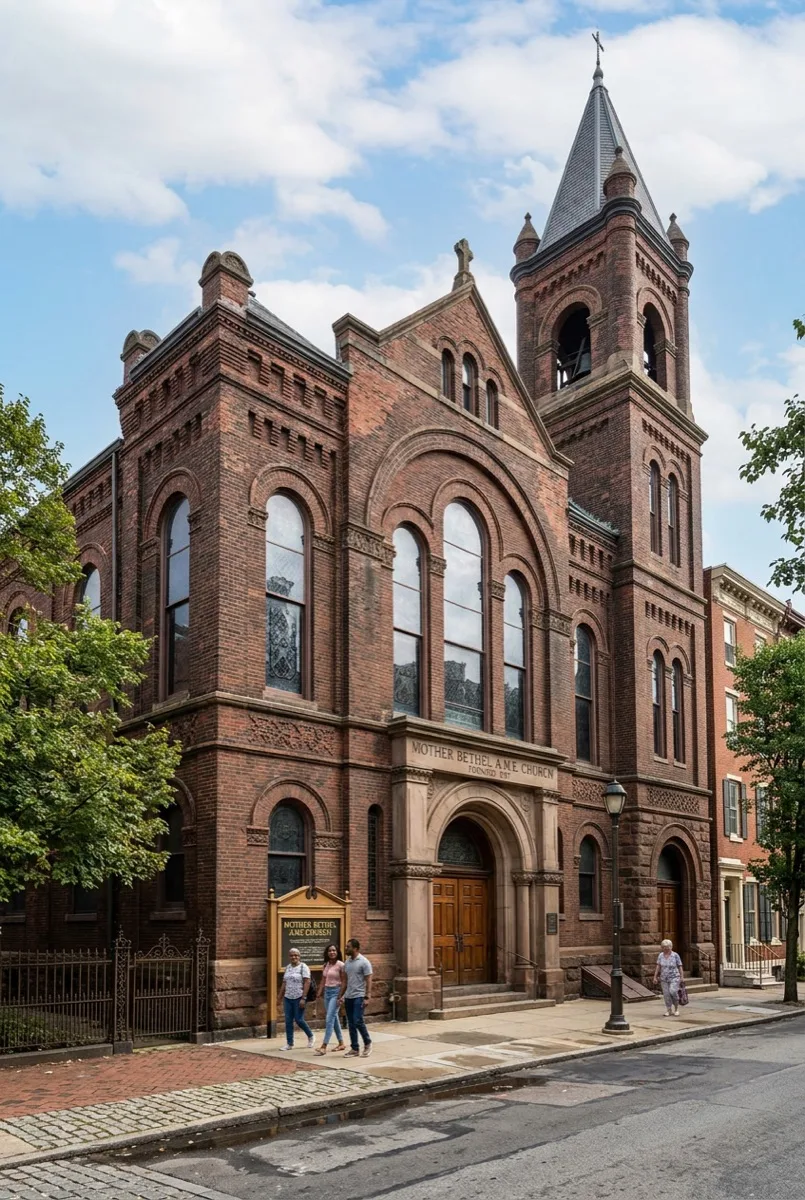
How a Historic North Philadelphia Church Made Its Fellowship Hall Comfortable Year-Round
Church & Religious Building Installations
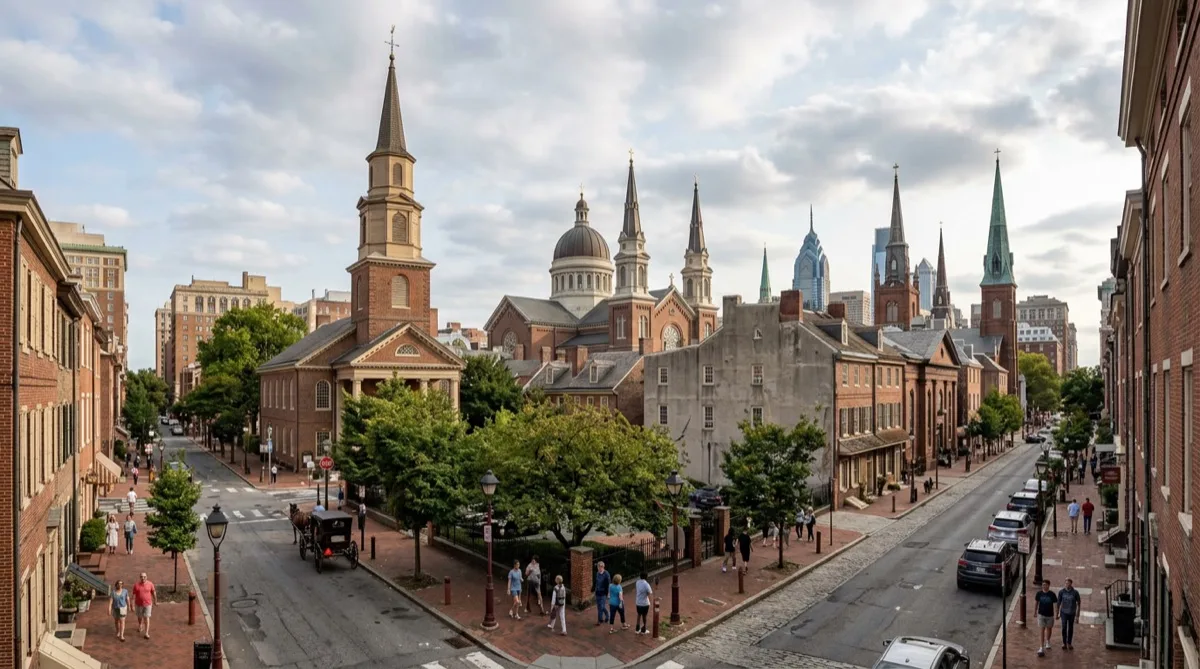
Church Window Film Across Philadelphia's Faith Communities
Historic cathedrals, neighborhood parish churches, modern campuses, and synagogues treated for UV preservation, energy savings, congregation comfort, and security.
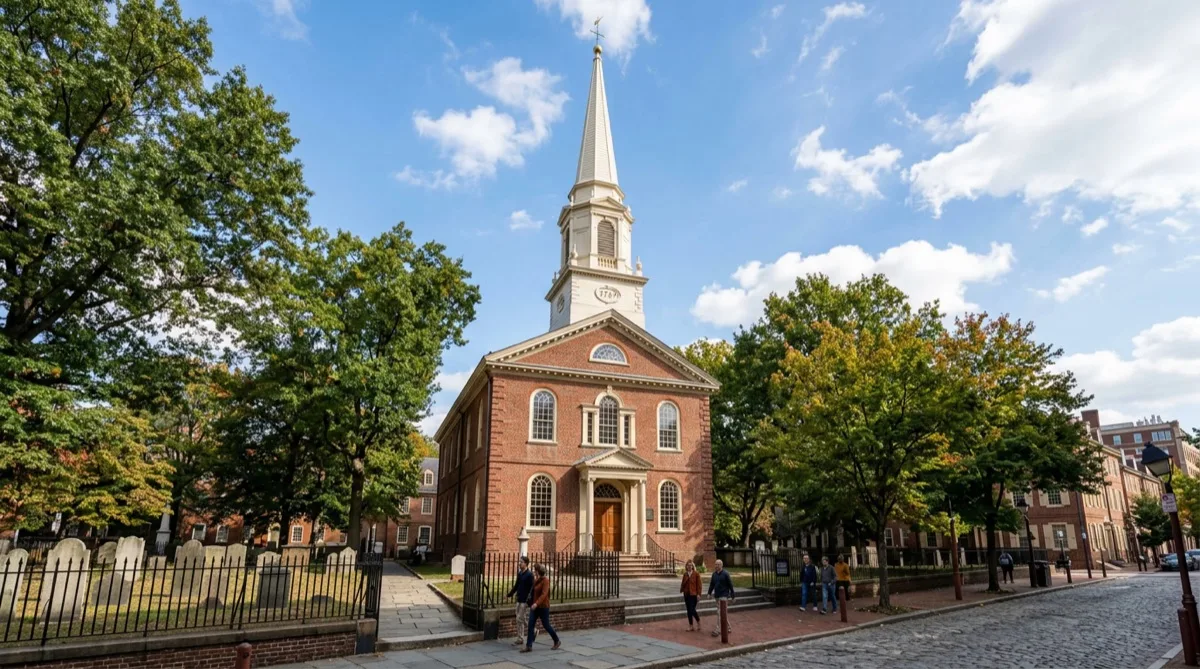
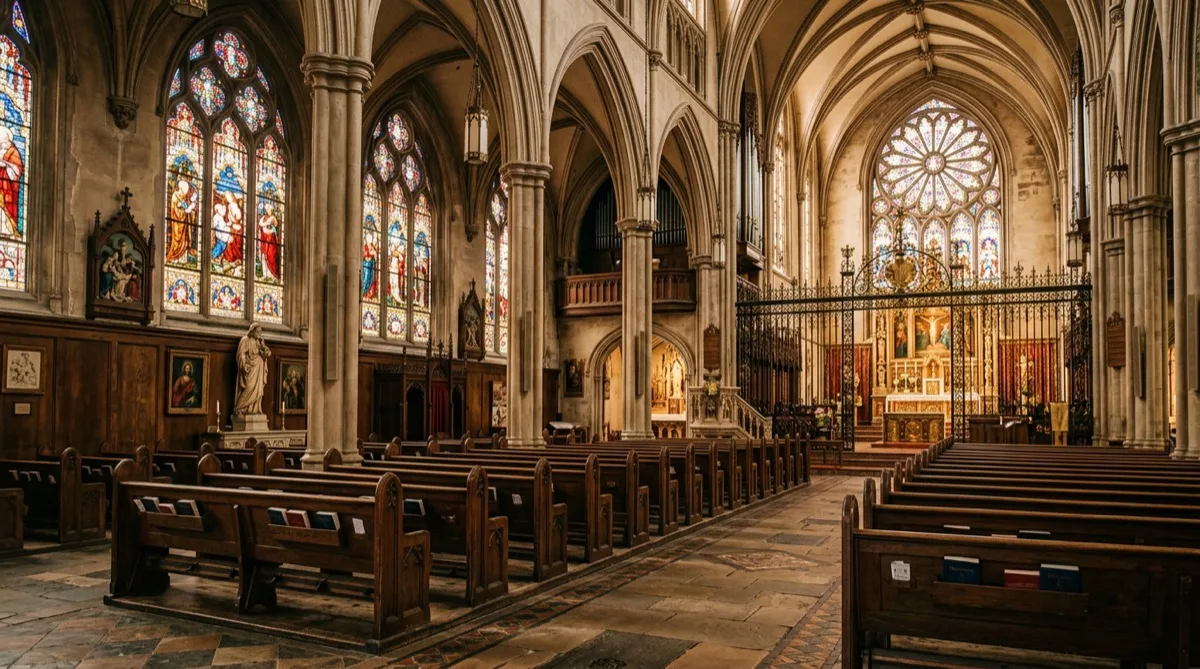
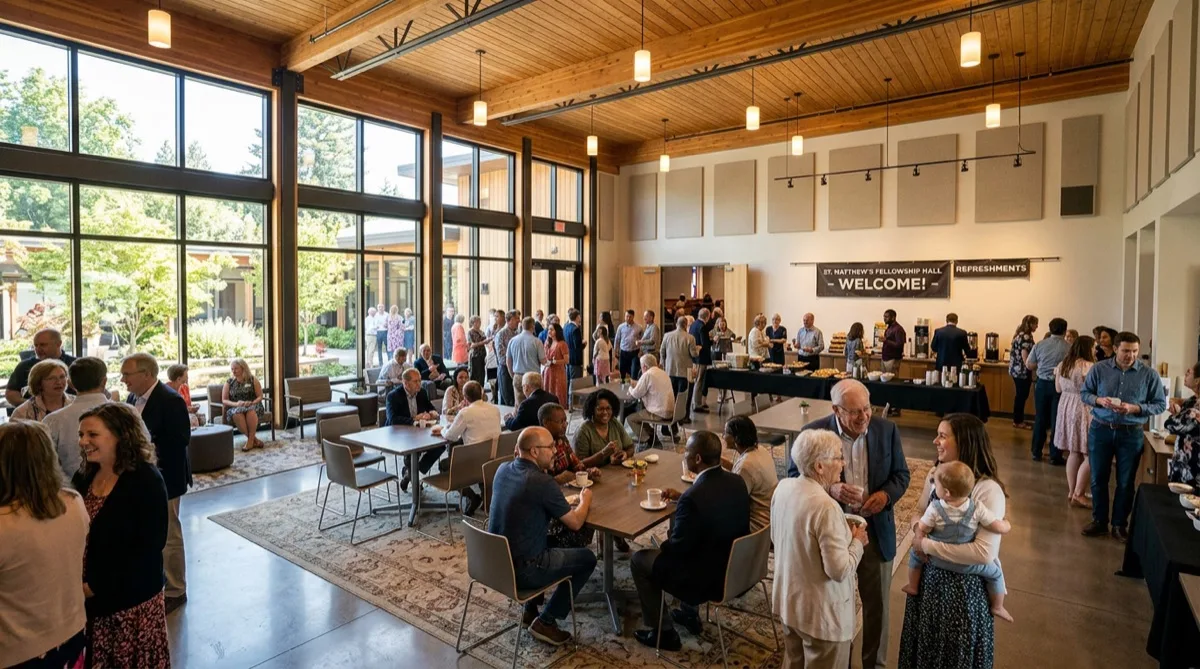
conservation-grade film
3M Thinsulate option
documentation available
historic materials focus
dealer installation
A Preservation-Aware Assessment Before Any Film Is Specified
01Glass & Building Review+
We identify stained glass, clear protection panels, single-pane glazing, entry glass, and interior partitions so each area receives the correct film recommendation.
02Film Specification+
Your proposal lists the film manufacturer, product data, UV performance, visible light transmission, security properties, and preservation notes for committee review.
03Calendar Coordination+
We coordinate with worship, school, outreach, and event schedules so the work respects the life of the congregation.
04Documentation & Care+
After installation, we provide product documentation, care instructions, and records for facilities files, preservation review, and future building leadership.
What Philadelphia Congregations Say
Church window film results from pastors, facilities committees, and church administrators.
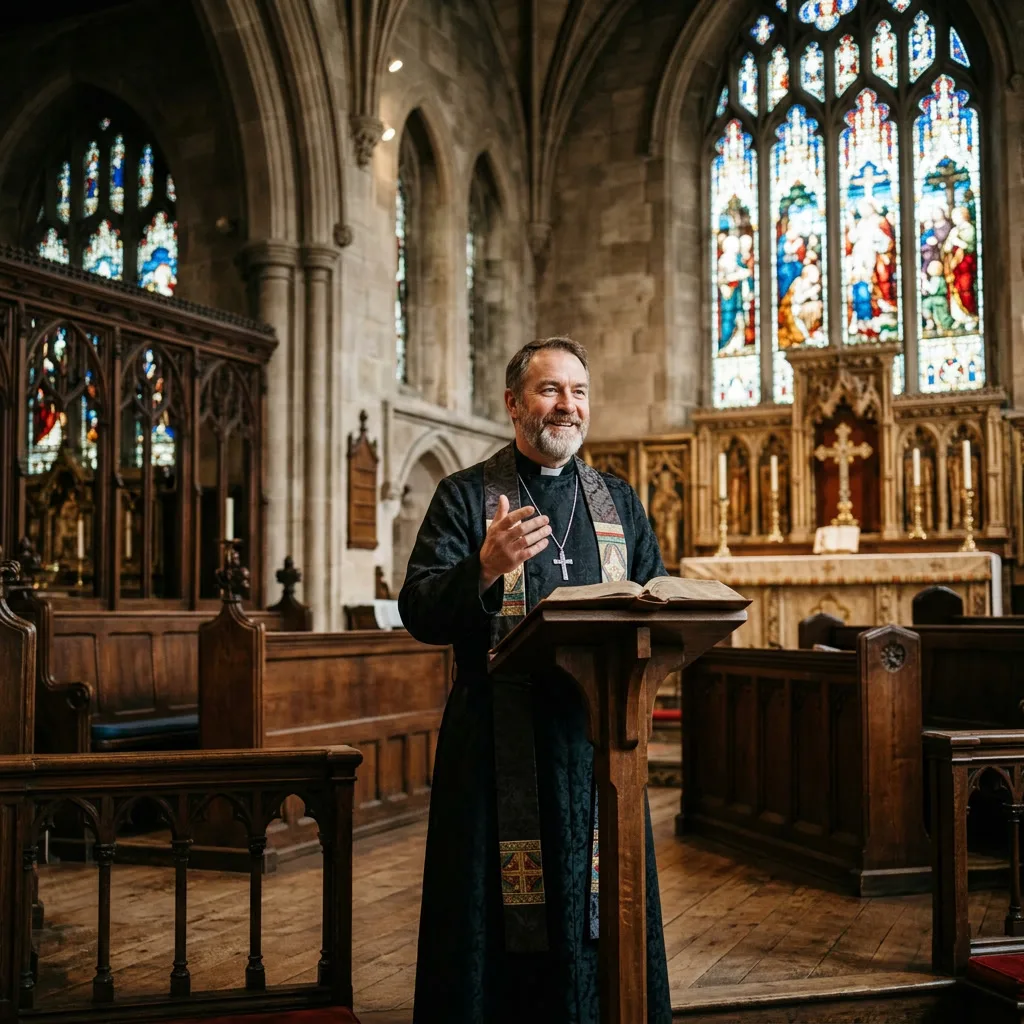
"The UV protection was the priority because our stained glass is part of the church history. The team explained how the clear panels would be treated without touching the historic glass, and the sanctuary is more comfortable now too."

"We needed help with heat, winter drafts, and a schedule that respected parish life. The Low-E film improved comfort in the hall, and the installation was handled without disrupting services."

"Our fellowship hall used to swing from glare to heat depending on the time of day. The solar and security film made the room easier to use and gave our leadership more confidence about the entry glass."
Church Window Film Across Philadelphia's Religious Communities
Church window film for Philadelphia congregations is specified neighborhood by neighborhood, with preservation scrutiny, security exposure, and energy needs varying across the city.
Manufacturer Resources
Church Window Film — Conservation Specs, Energy Data & Security Documentation
Download official conservation specifications, energy performance data, and security documentation for the window films we install at Philadelphia churches and houses of worship. These documents include UV performance data relevant to historic preservation, low-e insulation specifications for aging buildings, and safety certifications for security film.
- 3M Thinsulate CC75 — Low-E Energy Saving Window Film Technical Bulletin
- 3M Scotchshield Ultra S800 — Safety & Security Film Technical Data Sheet
- LLumar Solar Control — Architectural Window Film Guide Specification
- Vista SpectraSelect — Solar Control + Safety Film Performance Specifications
- Solar Gard Armorcoat — Safety & Security Film CSI Specification
- 3M Energy Efficiency Brochure — Commercial Window Film Energy Performance Data
Frequently Asked Questions
Answers about church window film for Philadelphia pastors, trustees, facilities committees, preservation teams, and administrators.
Talk to a SpecialistNo. Conservation-grade church window film for Philadelphia stained glass projects is installed on interior clear protection panels, not on the historic stained glass itself. The original glass is never touched, and the film blocks 99% of UV before it reaches memorial glass, woodwork, textiles, and painted finishes.
Every landmark property is reviewed on its own facts, but our approach is designed to be preservation-compatible: clear film on interior glazing or interior protective panels, no exterior appearance change, and documentation for product visibility, reversibility, and UV performance. We support congregations with the film data and installation notes they need for PHC conversations.
Properly specified conservation film should not change the exterior character of the stained glass. Because the film goes on the interior clear panel, the historic glass remains visible from the street exactly as before. We bring samples and explain visible light transmission so your vestry, board, or facilities committee can evaluate the look before approving church window film for Philadelphia buildings.
Results depend on glass type, solar exposure, HVAC condition, ceiling height, and usage patterns. Low-E and solar control films reduce summer heat gain while improving winter insulation, which is especially valuable in sanctuaries, fellowship halls, and classrooms with single-pane glass. We provide performance data for the exact film specified so your committee can make a product-based decision.
Yes. Many church windows are arched, divided, leaded, or irregular. Film is custom-cut to the compatible clear glass surface or interior protection panel. During assessment we document the glass configuration, identify which panels can receive film, and recommend the right conservation, solar, glare, or security product for each opening.
Security film does not make glass unbreakable, but it holds broken glass together and delays forced entry through doors and accessible windows. Anti-graffiti film adds a sacrificial layer against etching and tagging on glass, mirrors, and polished metal. For congregations with previous vandalism or theft concerns, security film is a practical passive protection layer.
Yes. Professional window film can be removed from compatible glass by trained technicians. That reversibility is one reason church window film for Philadelphia preservation projects is often easier to justify than replacement glass, permanent coatings, or exterior changes. We document the product and application surface for future facilities records.
We plan installation around worship, school, outreach, and fellowship calendars. The assessment identifies access needs, sensitive interior finishes, and rooms that must remain available. The goal is a clean, professional installation sequence that protects the building while allowing the congregation to keep using its space.
Film maintenance is straightforward: use non-abrasive cleaning methods and avoid sharp tools on filmed glass. We provide care instructions for staff, volunteers, and cleaning contractors. On century-old buildings, the bigger value is that film helps reduce UV damage and can protect vulnerable glass surfaces without changing historic materials.
Yes. Window film complements HVAC updates, insulation, air sealing, and shade management because it addresses the glass directly. In older sanctuaries where envelope upgrades are limited by preservation constraints, solar control and Low-E film can be one of the most practical passive improvements available.
Ready to Protect Your Congregation's Home?
Free site assessment for churches and houses of worship. We provide conservation-grade UV specifications, Philadelphia Historical Commission documentation support, and professional installation with no disruption to services or events.