
School Window Film in Philadelphia
Window film built for Philadelphia K-12 schoolsuniversitiescharter schoolsprivate academiesdaycare centers
School window film for Philadelphia K-12 schools, universities, and charter campuses — security, UV protection, glare control, and energy savings in one installation.
Trusted by Philadelphia schools, universities & educational campuses


The Film That Works as Hard as Your Facilities Team
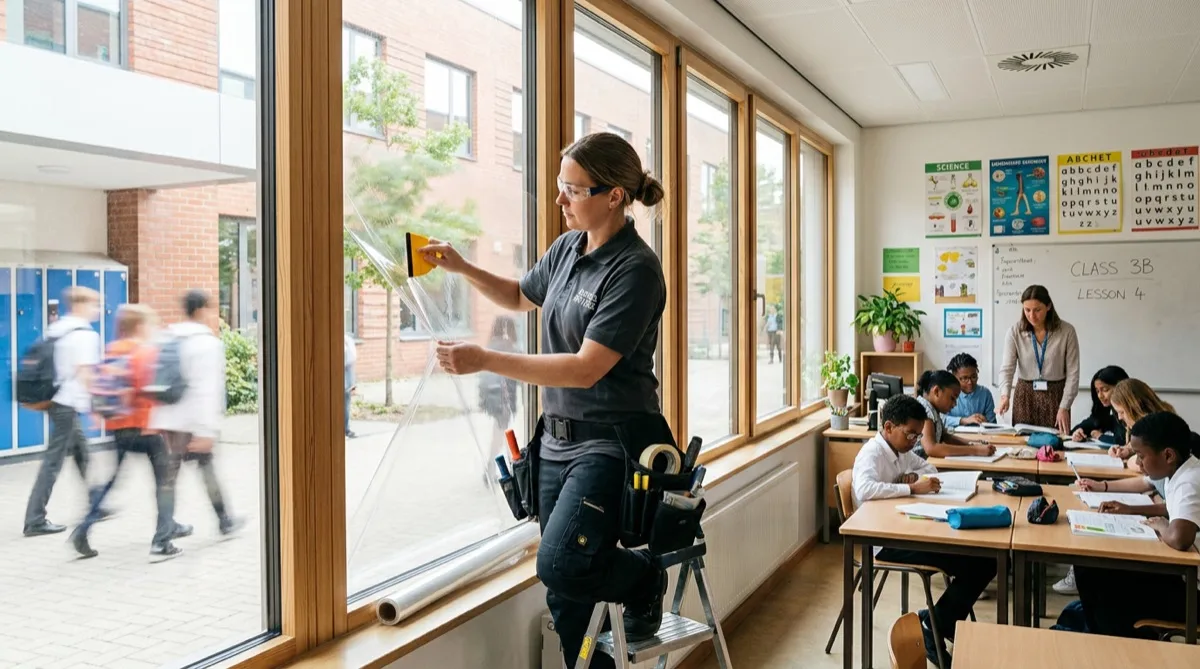
School window film for Philadelphia is a professionally applied polyester film that bonds directly to existing classroom, gymnasium, and administrative glass. Once installed, it blocks up to 99% of UV radiation, rejects up to 79% of solar heat, and reduces visible glare on smartboards, Chromebook screens, and projectors — without altering window frames or requiring structural work. As a 3M Certified Dealer, we match each film specification to the room's orientation, glass type, and use. For campuses prioritizing student health and material preservation, UV-blocking window film provides a high-impact upgrade while keeping existing windows in place.
Unlike blinds or heavy shading that block natural light entirely, window film works with your existing glass — maintaining the bright, natural learning environments students and teachers prefer while eliminating the UV, heat, and glare that compromise them. Film is compatible with virtually all glass types found in Philadelphia's school building stock, from single-pane originals in historic school buildings to modern double-pane curtain walls at newer university facilities.
Philadelphia Schools Need More Than Standard Window Glass
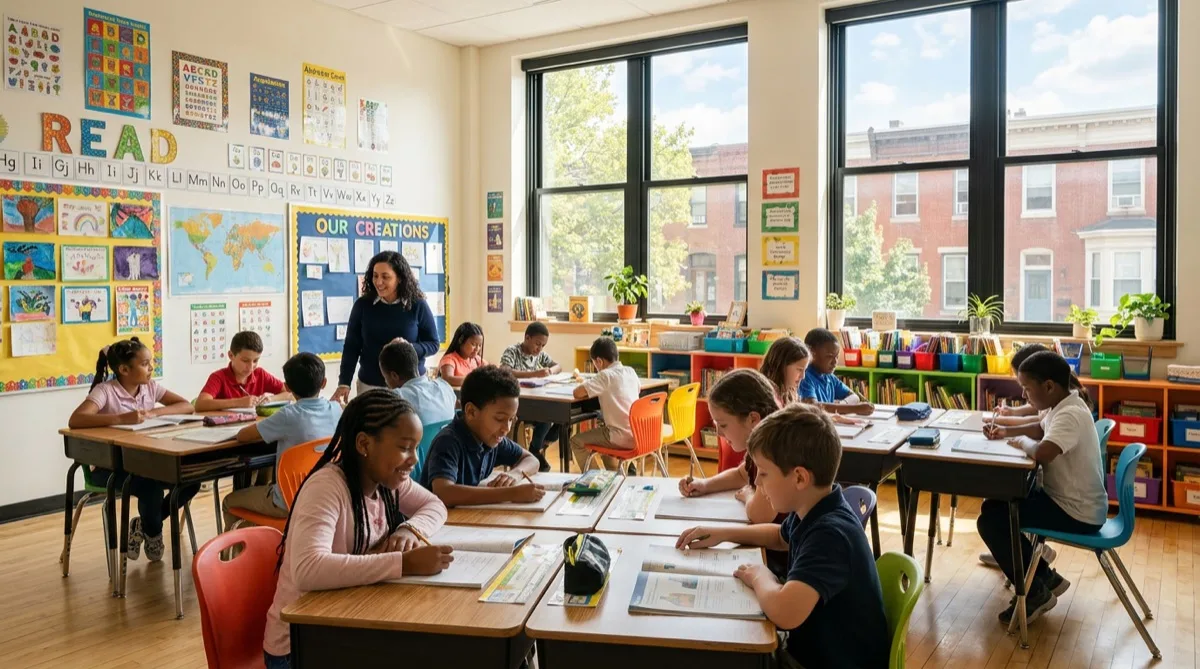
Standard glazing is one of the most vulnerable points in any school building — and Philadelphia's educational facilities face a range of threats that require film solutions beyond basic solar control.
- Unprotected Entry & Classroom Glass — Ground-floor windows, door sidelights, and classroom glazing that don't meet current security standards represent the most accessible forced-entry points in any school building — a gap safety and security film closes without structural renovation.
- Blast & Pressure Vulnerability — Standard glazing shatters into dangerous fragments under blast pressure. Blast-mitigation film holds glass together and absorbs energy — protecting students from flying glass shards in the event of an explosion or severe weather impact.
- Glare on Smartboards & Screens — South and west-facing classrooms lose productive learning time when afternoon sunlight renders smartboards, projectors, and Chromebooks unreadable — a problem most security films also address.
- UV Exposure & Energy Costs — UV radiation damages student health, fades furnishings, and solar heat gain strains school HVAC budgets — solar control and UV-blocking films address both as a secondary benefit of the security upgrade.
One Glass Upgrade. Campus-Wide Performance.
Window film supports safety, comfort, UV protection, and energy goals without changing the building envelope.
400+
Philadelphia Schools & Universities
99%
UV Reduction Achieved
3M
Certified Dealer
0
Classroom Days Lost During Installation
Film Solutions for Every Philadelphia Educational Setting
Each facility type has different security, comfort, budget, and daylighting priorities. We specify film by room, building, and campus goal.
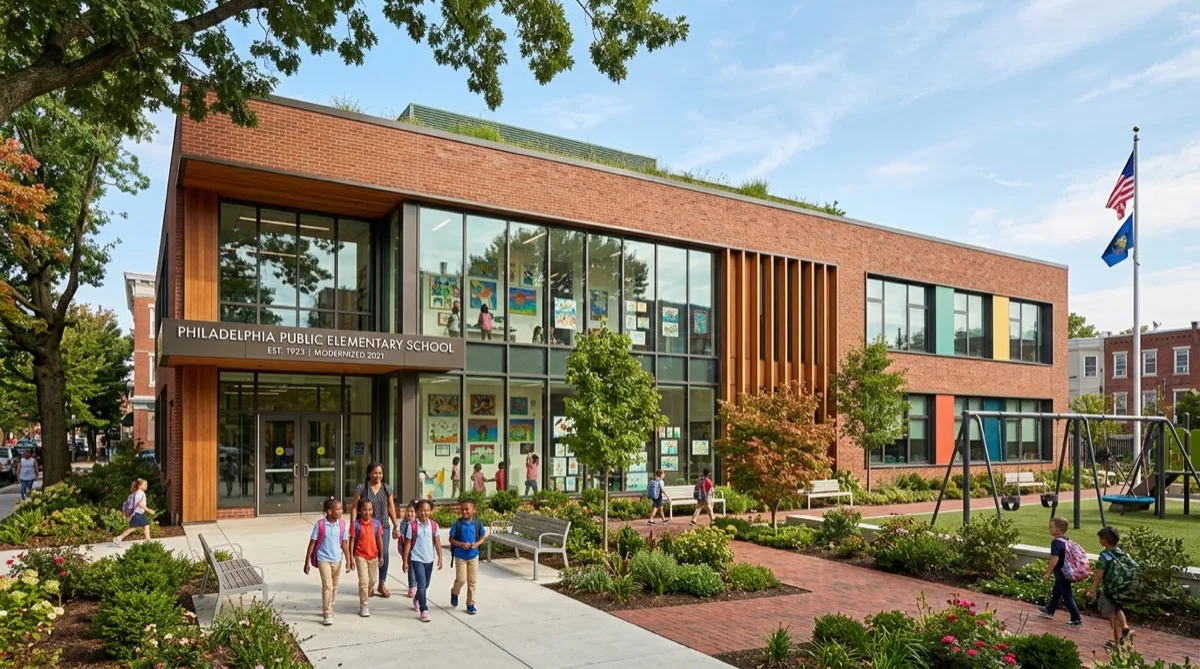
K-12 Schools
Public, private, and charter schools across Philadelphia — safety film for entry points, UV film for classrooms, glare control for smartboard rooms.
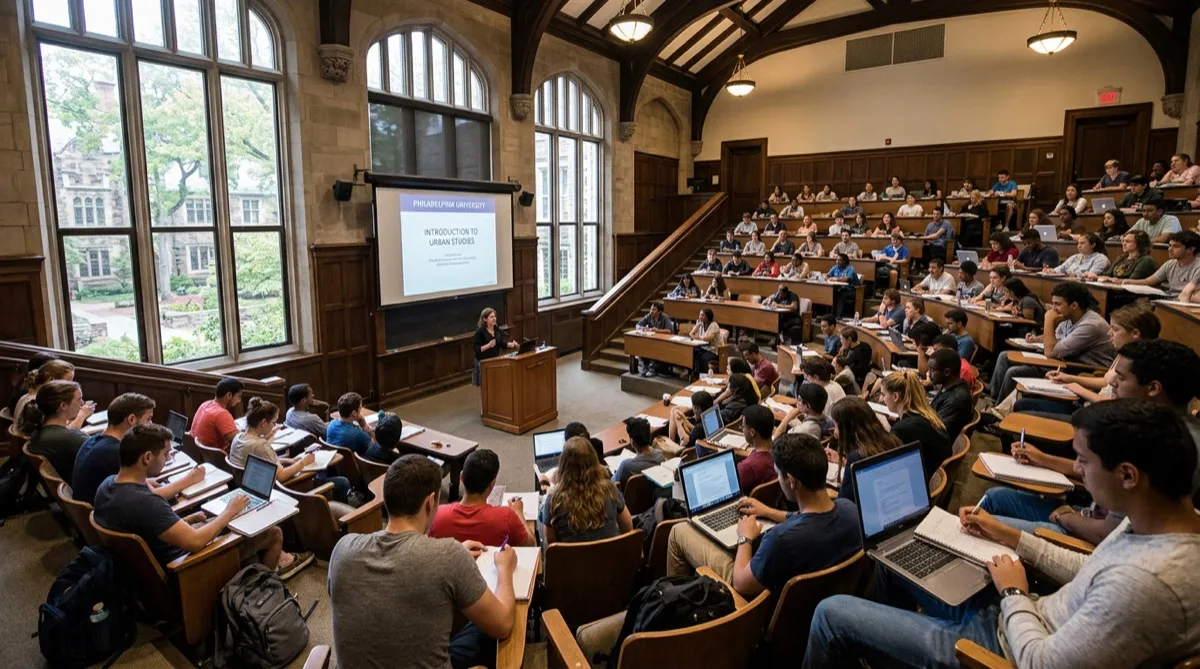
Colleges & Universities
Temple, Drexel, Penn, Jefferson, and community colleges — large glass facades, lab windows, student union glazing.
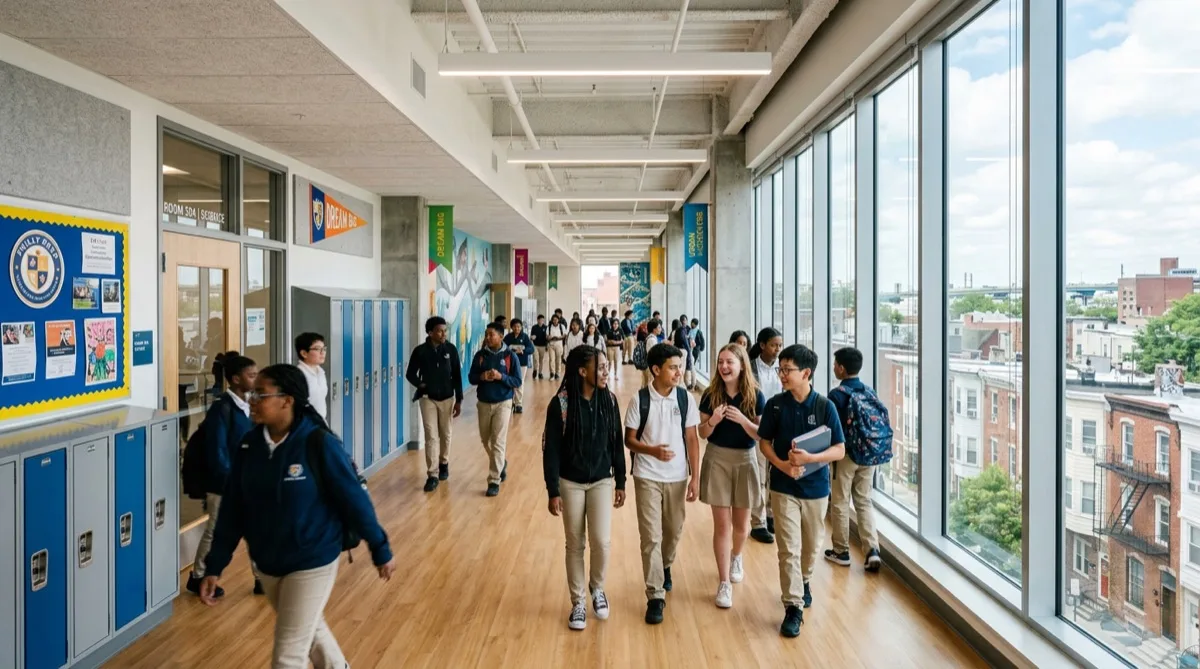
Charter & Private Schools
Smaller campuses with focused budgetary priorities — cost-effective film delivering immediate, measurable improvement in comfort, safety, and energy performance.
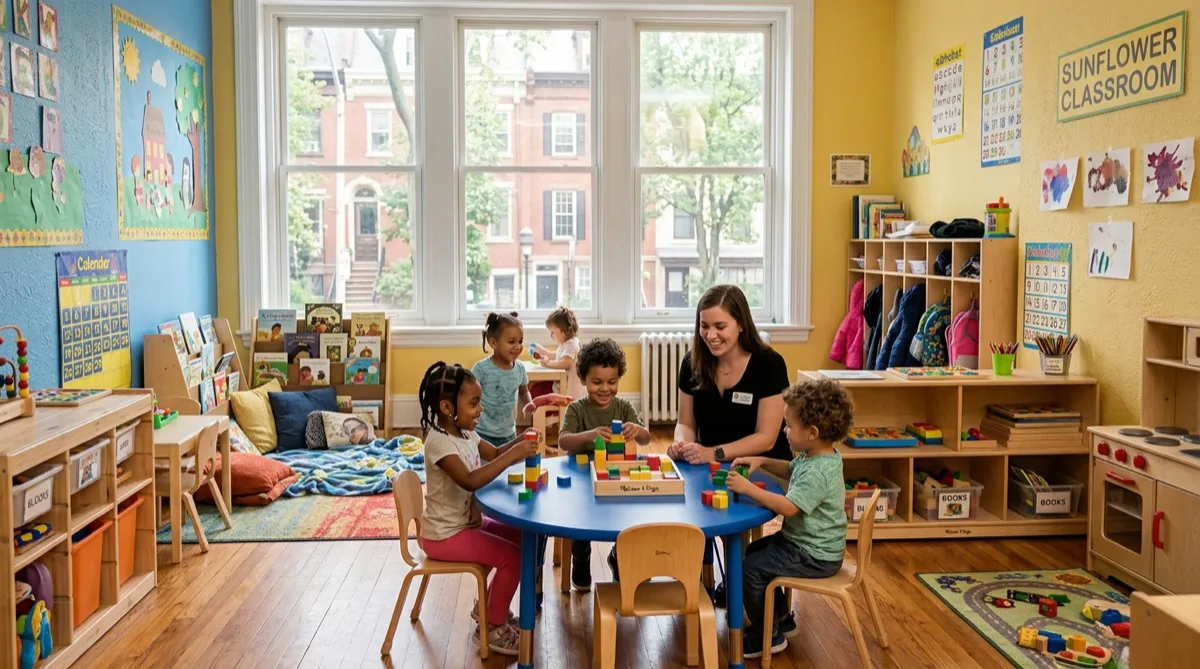
Childcare & Daycare
Pennsylvania childcare facilities with strict health and safety requirements — UV protection and shatter resistance for the most vulnerable occupants.
How does window film make schools safer, brighter, and more efficient?
The right film specification depends on each room's risk profile, orientation, and use. We match safety, UV, glare, and energy performance to the glass already in place.
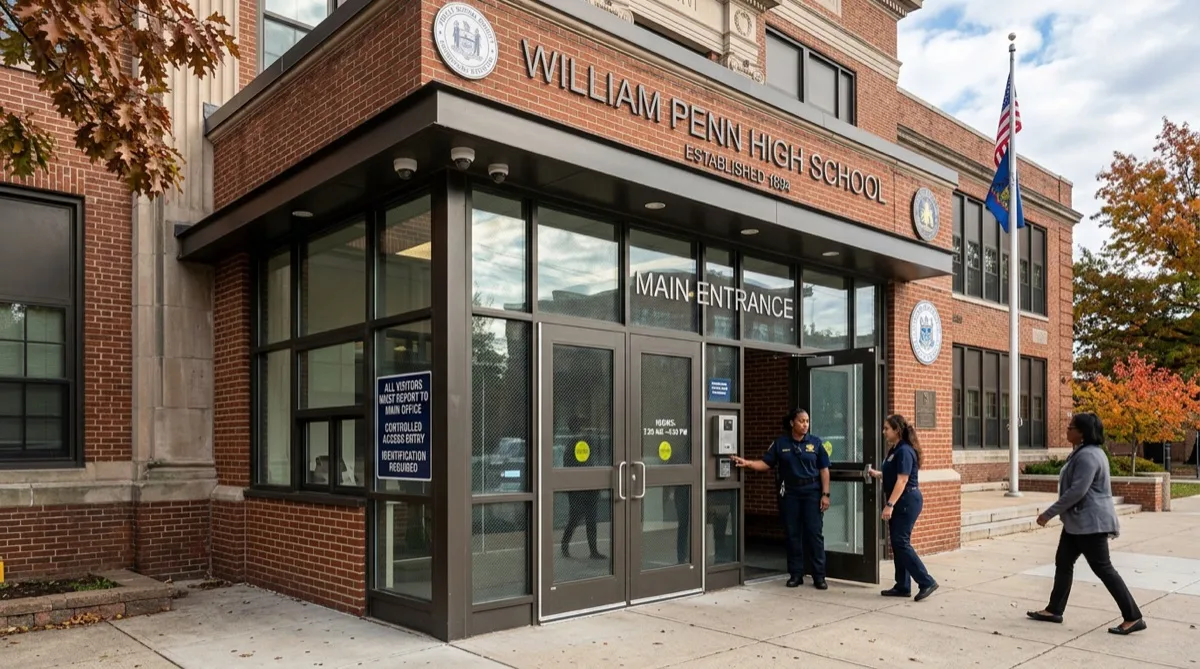
Ballistic, Blast & Safety Film for Philadelphia Schools
Security film for schools ranges from anti-intrusion safety film that slows forced entry to ballistic-resistant glazing systems and blast-mitigation film engineered to contain glass fragments under explosive pressure events. As a 3M Certified Dealer, we install the full spectrum — from 8 mil entry-point safety film meeting ANSI Z97.1 to Scotchshield Ultra series films specified for government and institutional blast hazard applications.
For entry points and ground-floor classrooms, we specify 8–14 mil safety film meeting ANSI Z97.1 and CPSC 16 CFR Part 1201. For facilities requiring higher protection, 3M Scotchshield Ultra series films meet GSA and Department of Defense blast-hazard glazing standards. Our safety and security window film and blast-mitigation film are both specified for educational settings. We assess your campus before recommending a film grade.
- Ballistic-resistant film options available for high-risk glazing
- Blast-mitigation film meets GSA and DoD glazing standards
- Anti-intrusion safety film slows forced entry significantly
- No structural work, permits, or classroom closures required
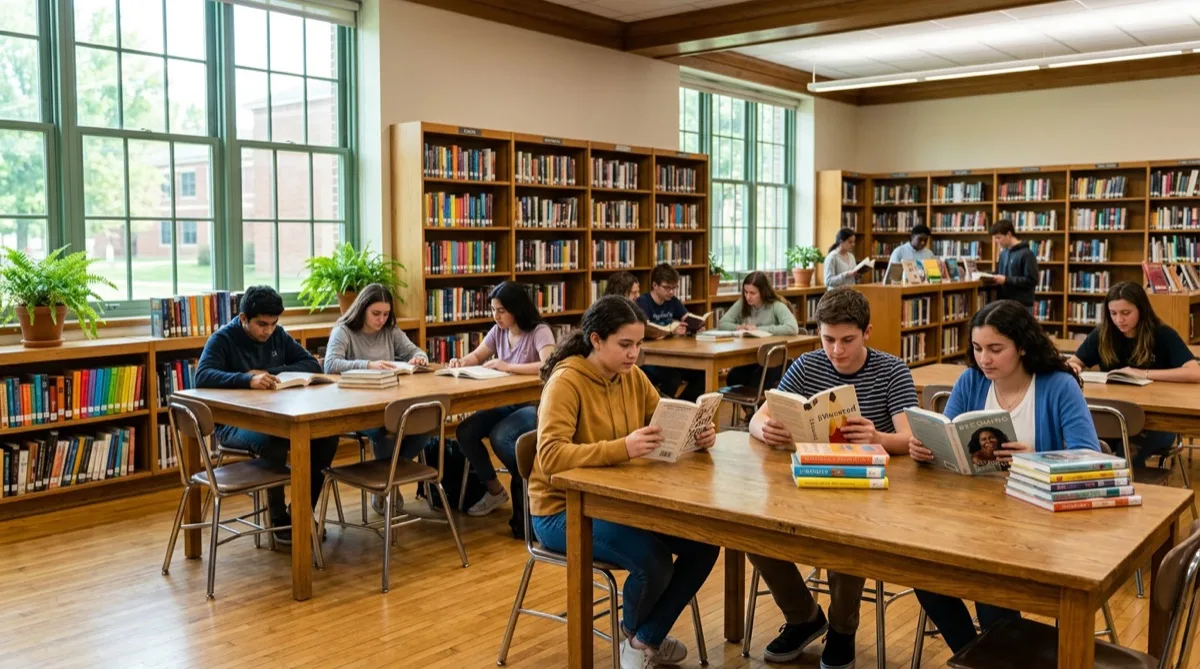
Block 99% of UV Before It Reaches Students and Furnishings
UV radiation is the primary cause of fading in school interiors — student artwork, educational posters, cork boards, carpeting, and upholstered furniture degrade years ahead of schedule when untreated windows allow full UV transmission. More importantly, students seated at window-adjacent desks accumulate UV exposure across a 6-hour school day. Per the EPA's UV Index guidelines, even moderate UV levels carry cumulative health risks.
Our UV-focused film specifications block up to 99% of both UVA and UVB radiation across all film types — whether you choose a clear safety film, a lightly tinted solar control product, or a decorative frosted film. UV rejection is built into every film we install.
- 99% UV rejection across all film types
- Protects student artwork, cork boards, and fabric
- Reduces cumulative UV exposure for window-side students
- No visible change to classroom appearance in most film selections
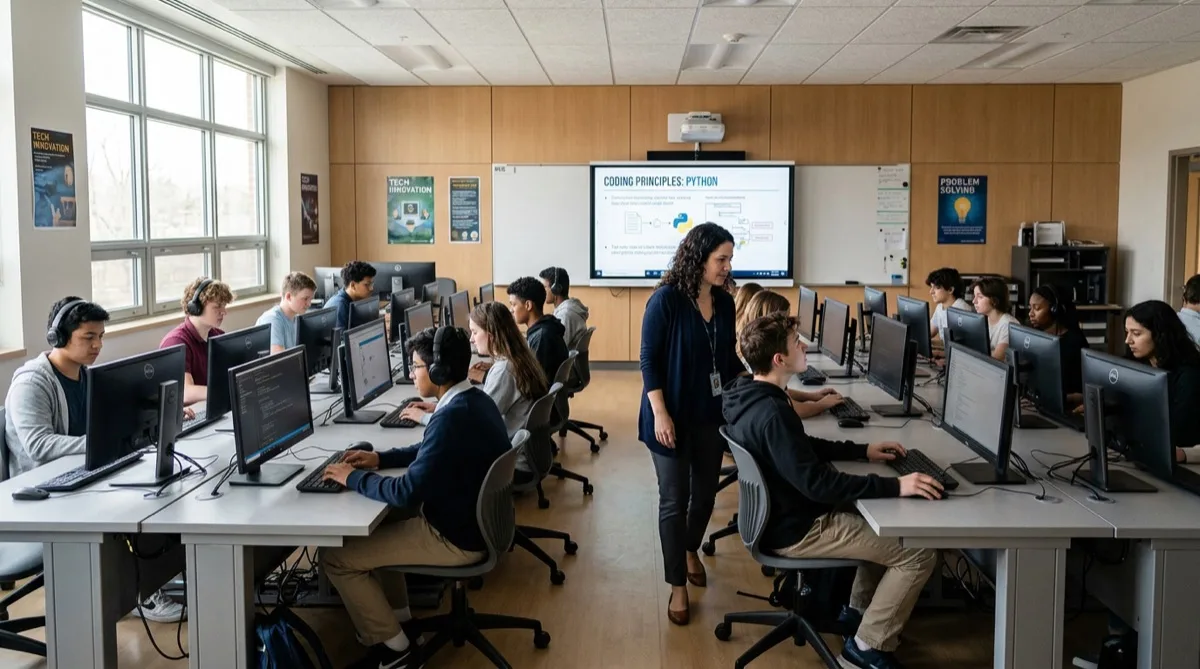
From Washed-Out Whiteboards to Focused Learning
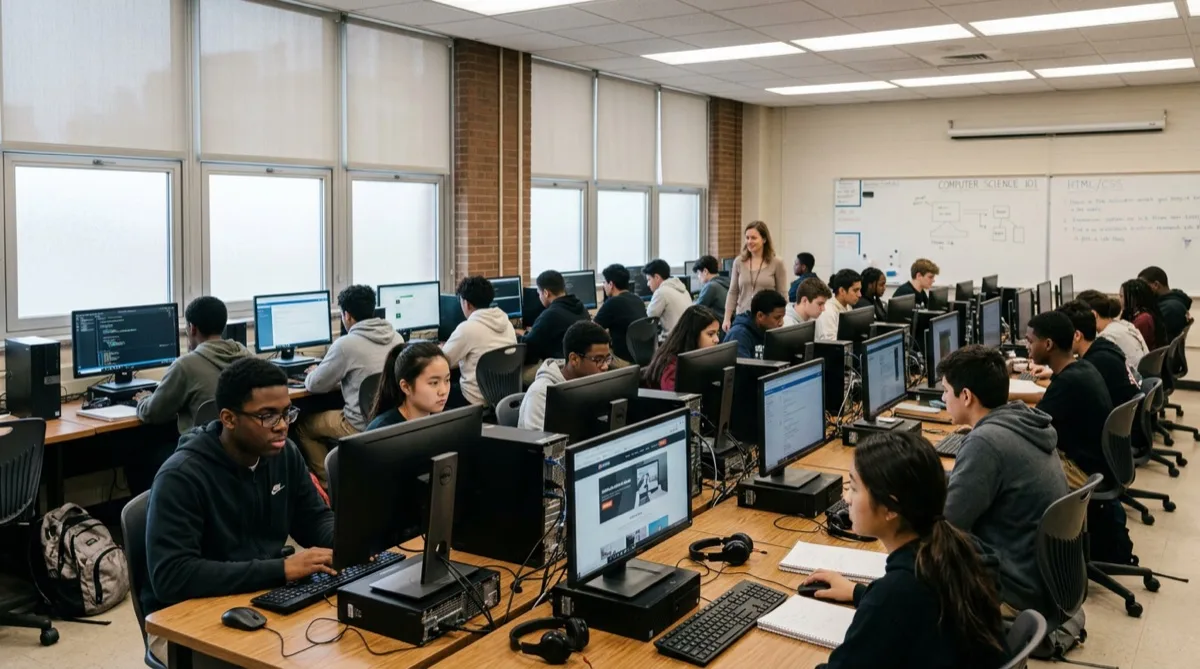
South and west-facing classrooms lose productive learning time when afternoon sunlight renders smartboards, projectors, and Chromebook screens unreadable. Window film selectively reduces visible light transmission — cutting glare without eliminating natural light entirely. The result is a classroom where technology works the way it's designed to, regardless of time of day.
Glare reduction film is matched to each room's orientation and use. A south-facing computer lab may require a different VLT level than a north-facing art room. We assess each space individually and specify the film that delivers the greatest improvement without compromising the natural light environment your students and teachers rely on.
- Eliminates whiteboard and projector washout
- Reduces Chromebook and monitor glare
- Maintains natural daylight feel in classrooms
- VLT selected for each room's specific orientation
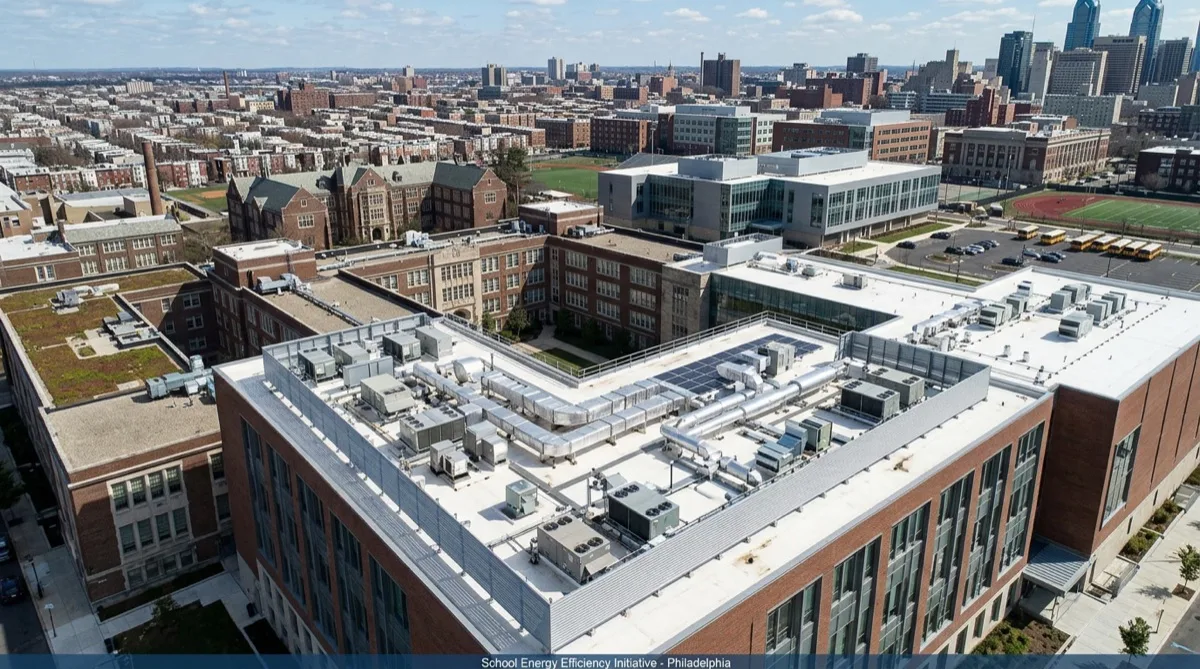
Trim HVAC Costs Without Touching the Budget for Instruction
School buildings are among the most energy-intensive structures districts manage. According to the U.S. Energy Information Administration, HVAC represents the single largest energy cost in commercial and institutional buildings — and window film directly reduces the solar heat load that HVAC systems must compensate for. Solar control film rejects up to 79% of incoming solar heat through treated glass.
For Philadelphia school districts managing multiple buildings, this translates to measurable utility savings year over year — funds that stay in the instructional budget rather than flowing to utility providers. Energy-saving window film also supports sustainability reporting, LEED documentation, and district green building initiatives.
- Up to 79% solar heat rejection
- Reduces afternoon classroom cooling load
- Qualifies for district sustainability reporting
- ROI typically achieved within 2–5 years
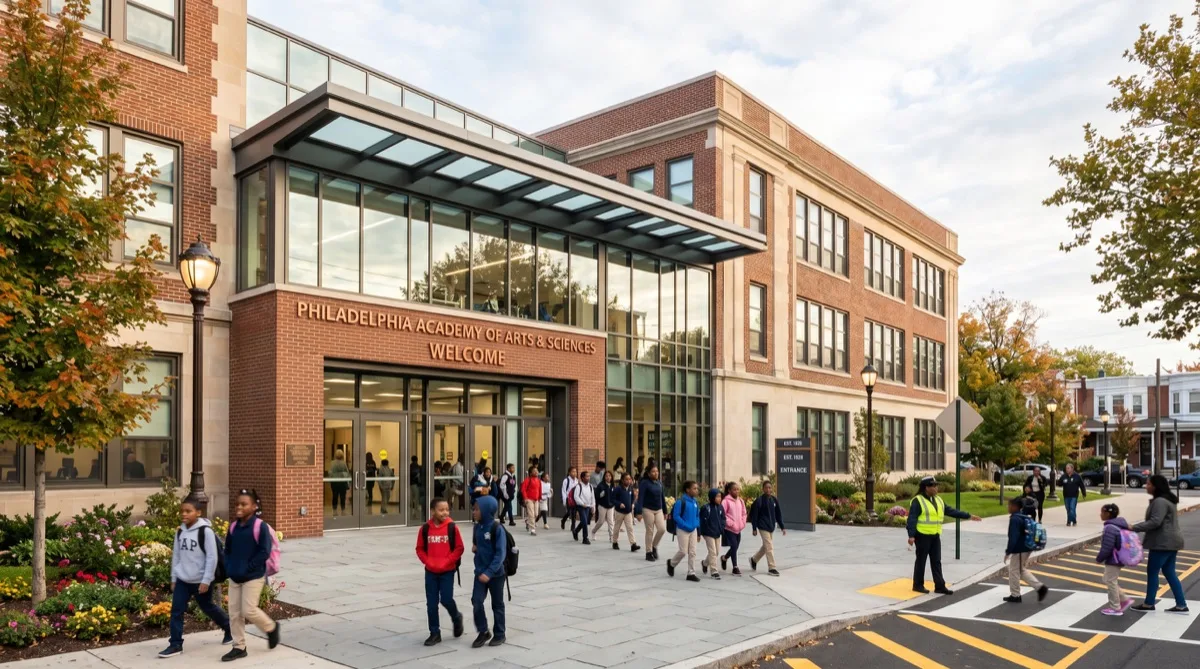
Safety & Security Film
Clear safety film reinforces entry doors, sidelights, and ground-floor classroom windows without changing campus appearance. It is specified to hold glass fragments together after impact and slow forced entry.
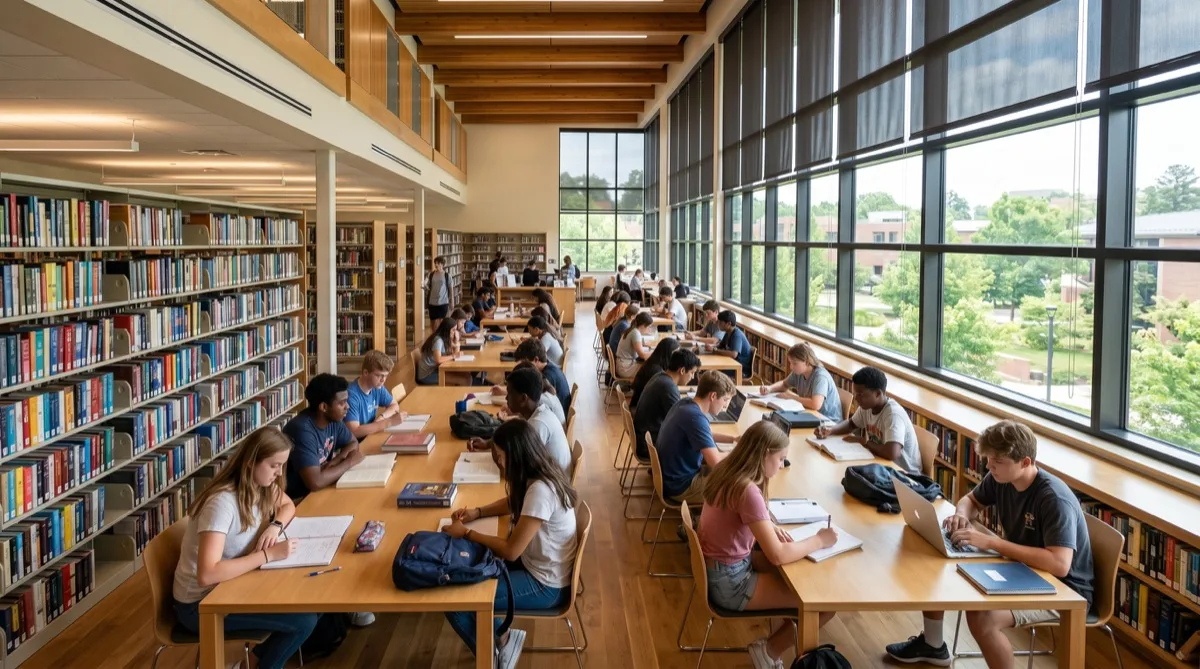
UV Protection Film
UV protection film helps preserve classroom interiors while reducing cumulative UV exposure for students and staff seated near windows. Clear and lightly tinted options are available.
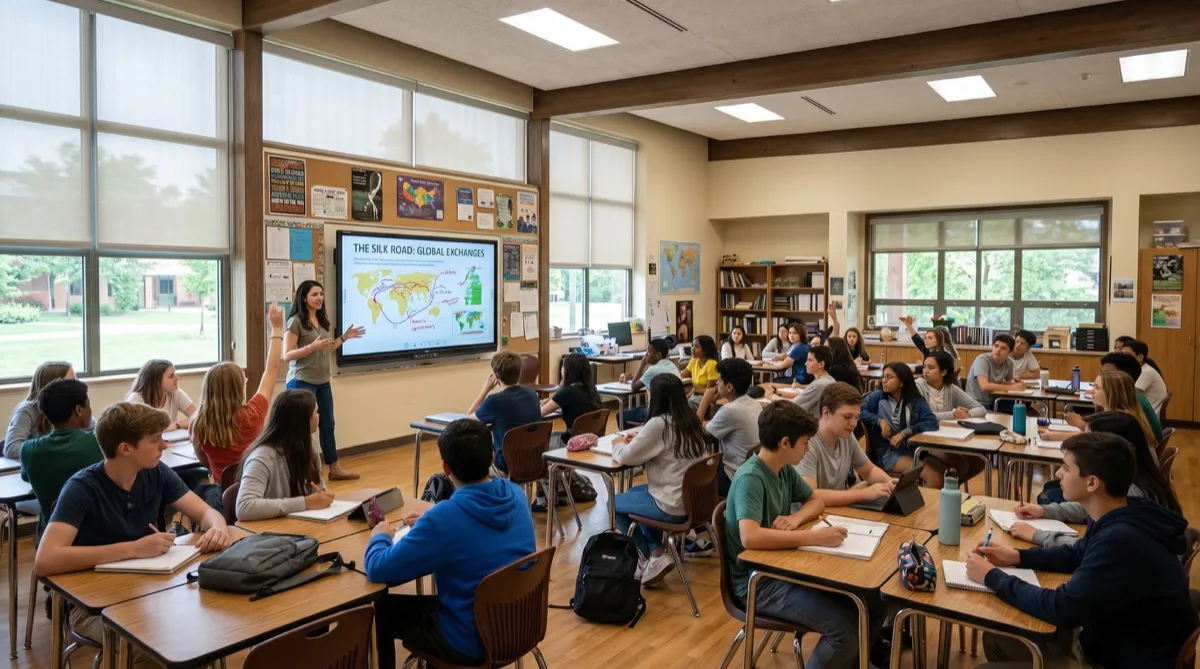
Solar Control & Glare Film
Glare control films reduce visible light washout on smartboards, projectors, monitors, and Chromebooks while preserving a bright classroom environment.
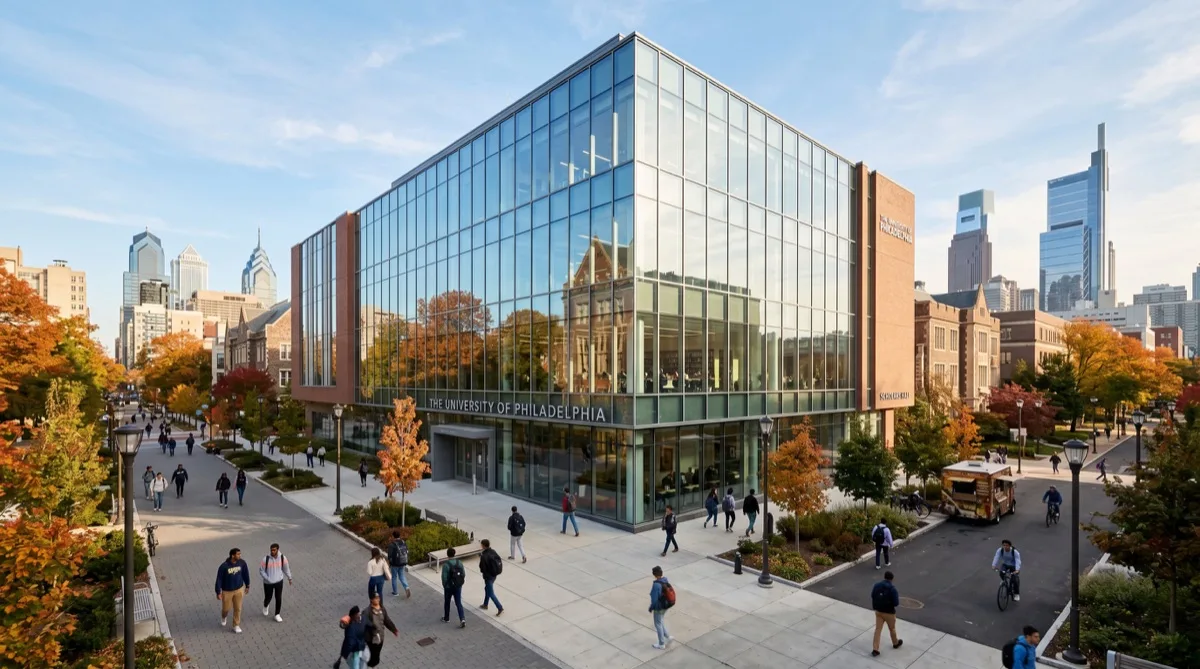
Energy Efficiency Film
Energy efficiency and Low-E films reduce solar heat load in warm months and can improve thermal performance on older school glass, supporting district sustainability goals.
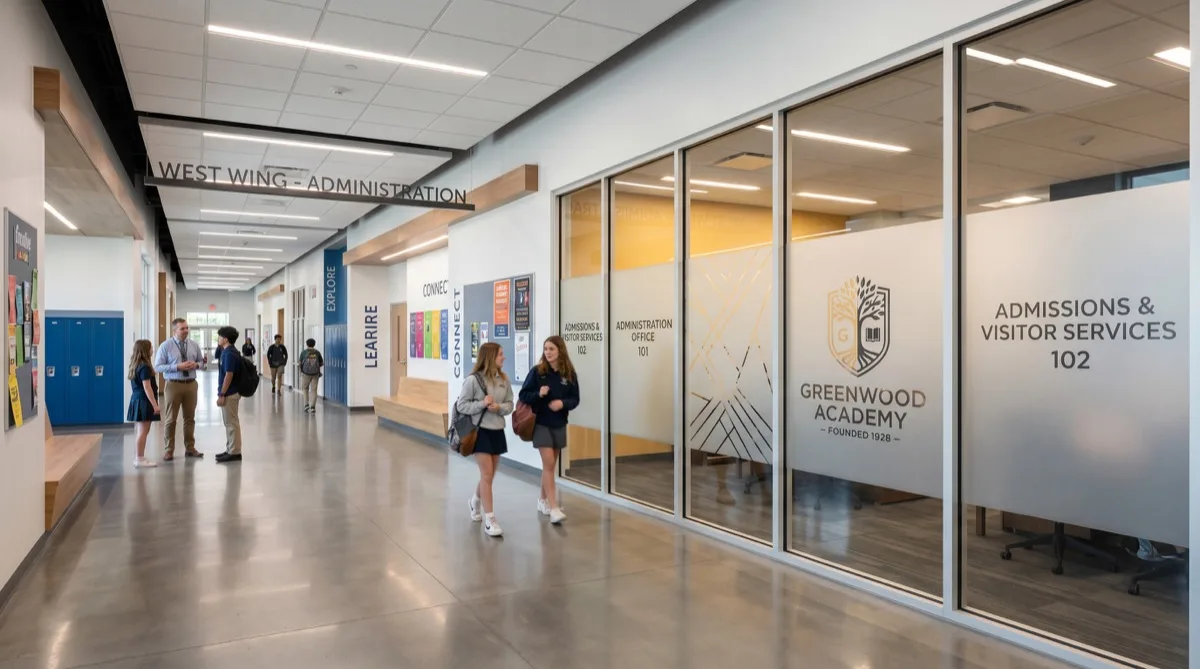
Decorative & Privacy Film
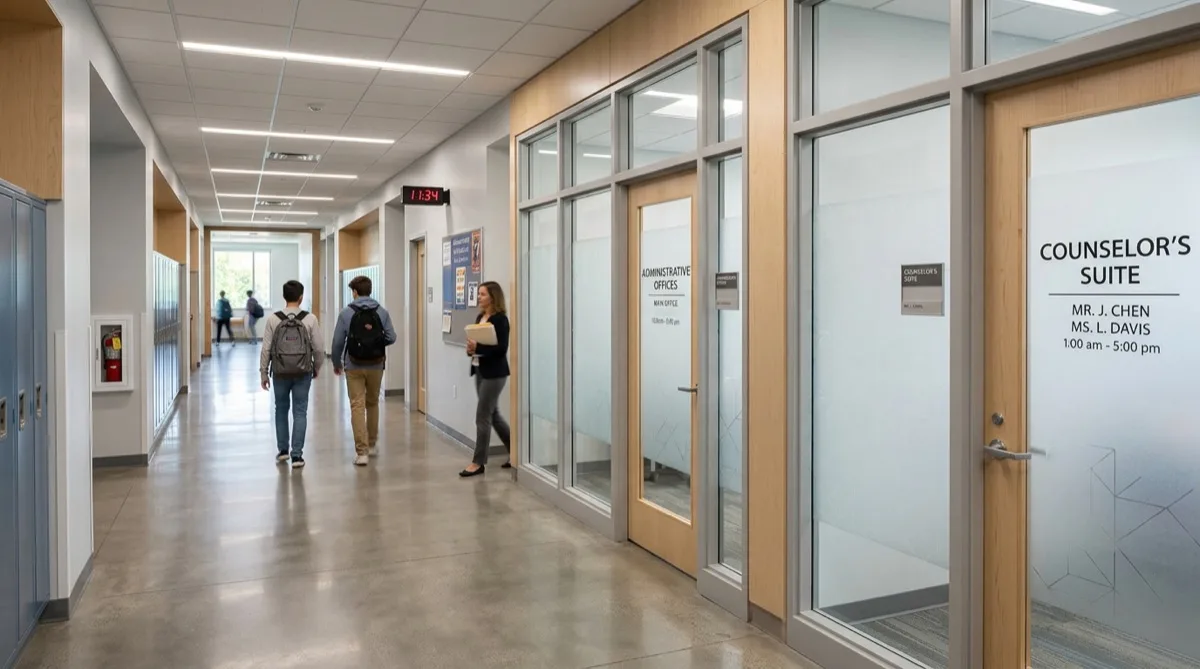
Frosted and patterned films provide visual privacy for counseling suites, nurse stations, administrative offices, and interior glass without eliminating daylight.
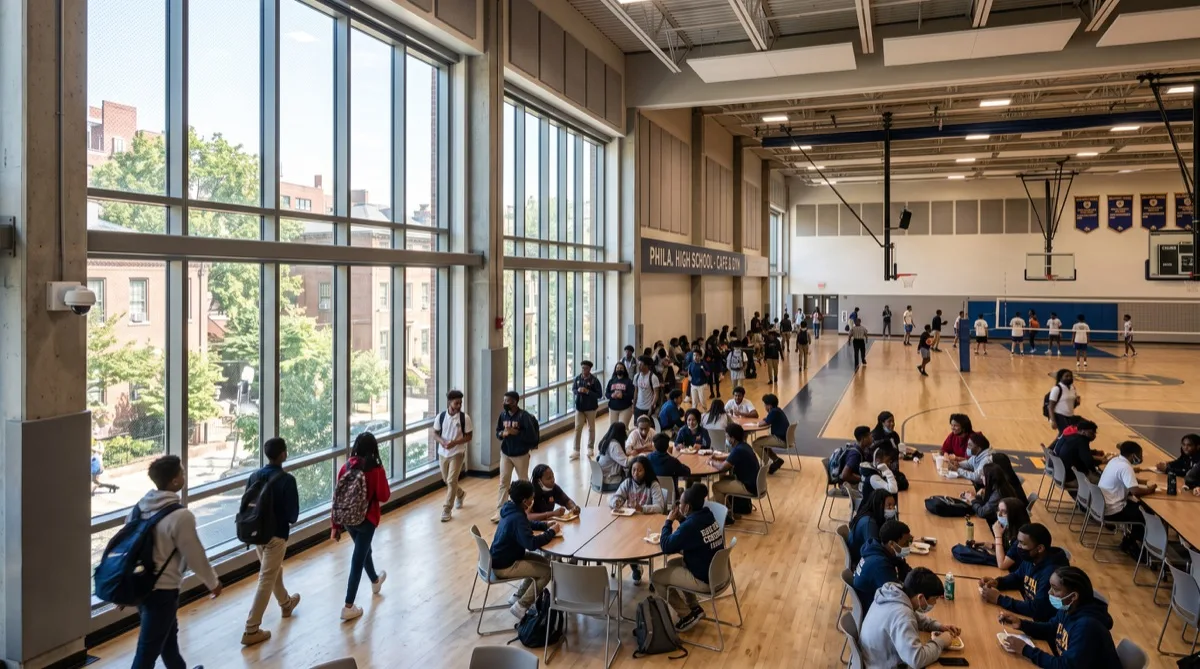
Anti-Graffiti Film
Clear sacrificial film protects school glass, metal, and mirrors from scratching, etching, marker, and vandalism. When damaged, the film is replaced instead of the underlying surface.
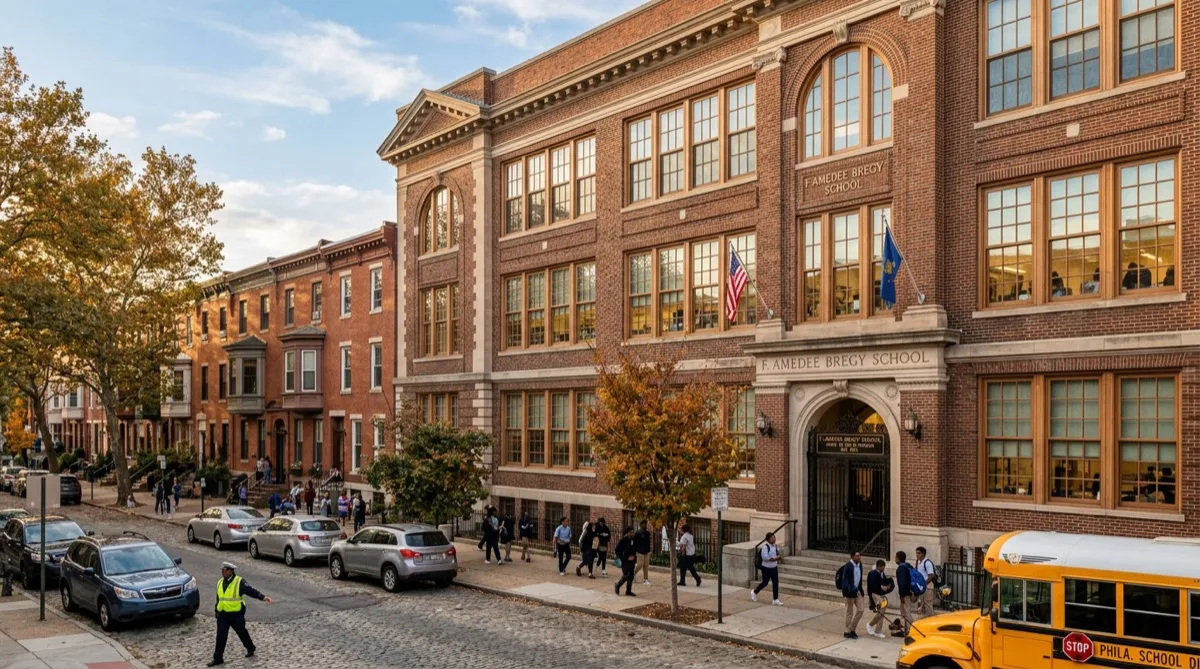
West Philadelphia K-12 School Upgrades Security, Cuts Glare on Smartboards, and Blocks 99% UV — Without Replacing a Single Window
Our Work in Philadelphia
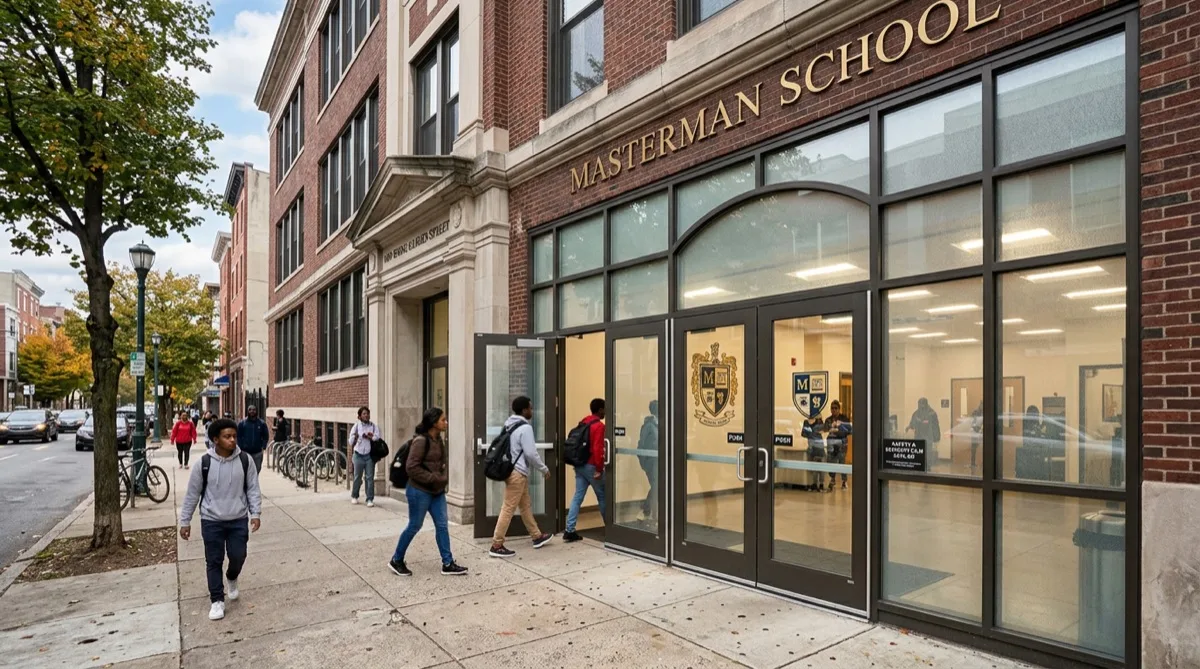
School Window Film Installed Across Educational Campuses
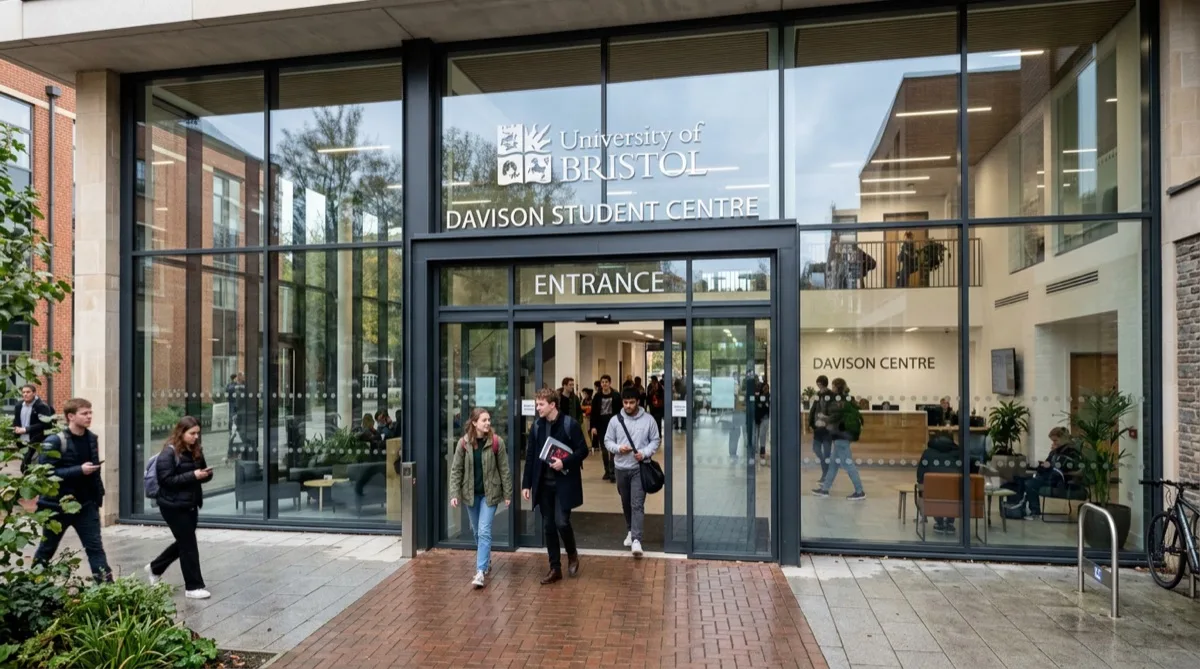
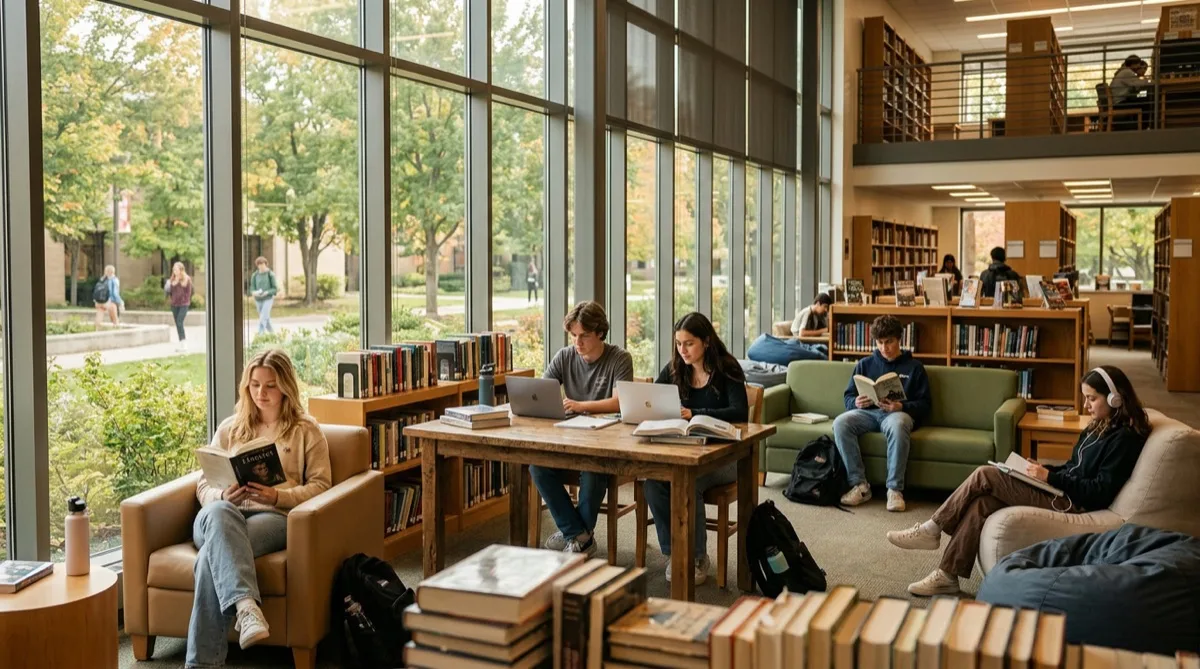
Classrooms, libraries, counselor suites, entry points, and university buildings all benefit from film specified to match how the glass is used.
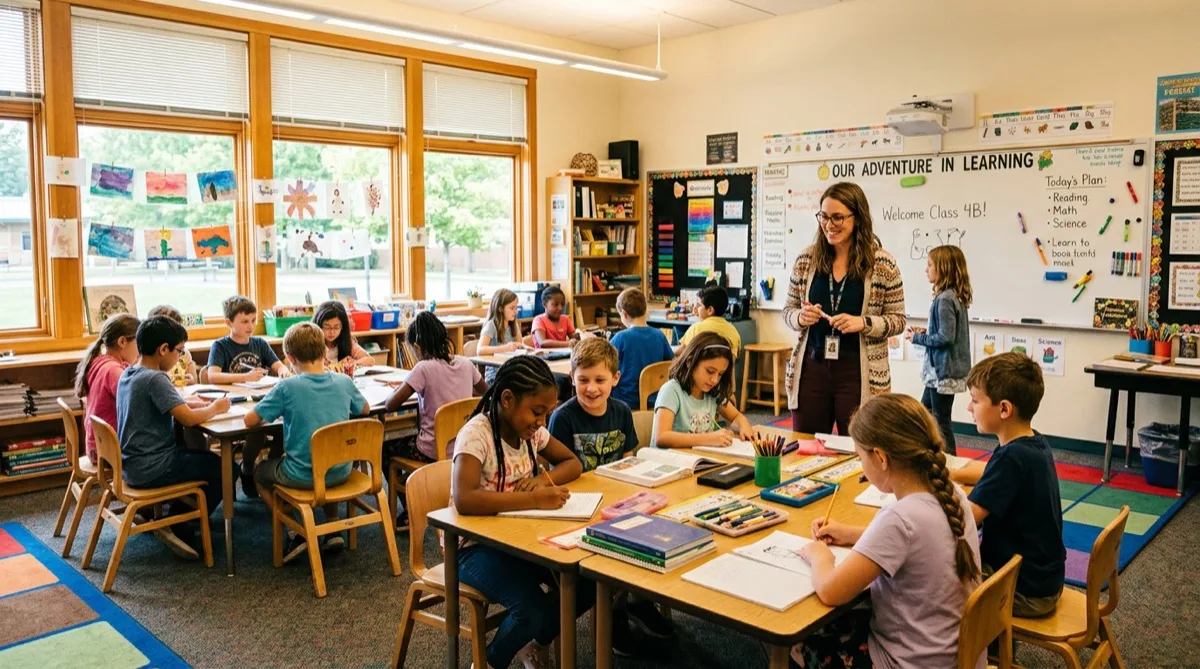
Across safety, solar, and decorative films
Premium solar control films
Film applies to existing glass
Educational and commercial clients
Select 3M film specifications
From Campus Walkthrough to Film Specification
01Free Site Assessment+
We assess glass type, window orientation, classroom use, entry point vulnerability, and existing daylight levels across your school or campus.
02Room-by-Room Specification+
Each area receives a film recommendation based on its priority: safety film at entry points, glare control in smartboard rooms, UV protection in classrooms, and frosted film for offices.
03Documentation for Facilities Teams+
We provide product data, safety certifications, warranty information, and performance documentation to support procurement, grant applications, and district reporting.
What Philadelphia Education Leaders Say
Real feedback from administrators and facilities teams using window film in educational settings.
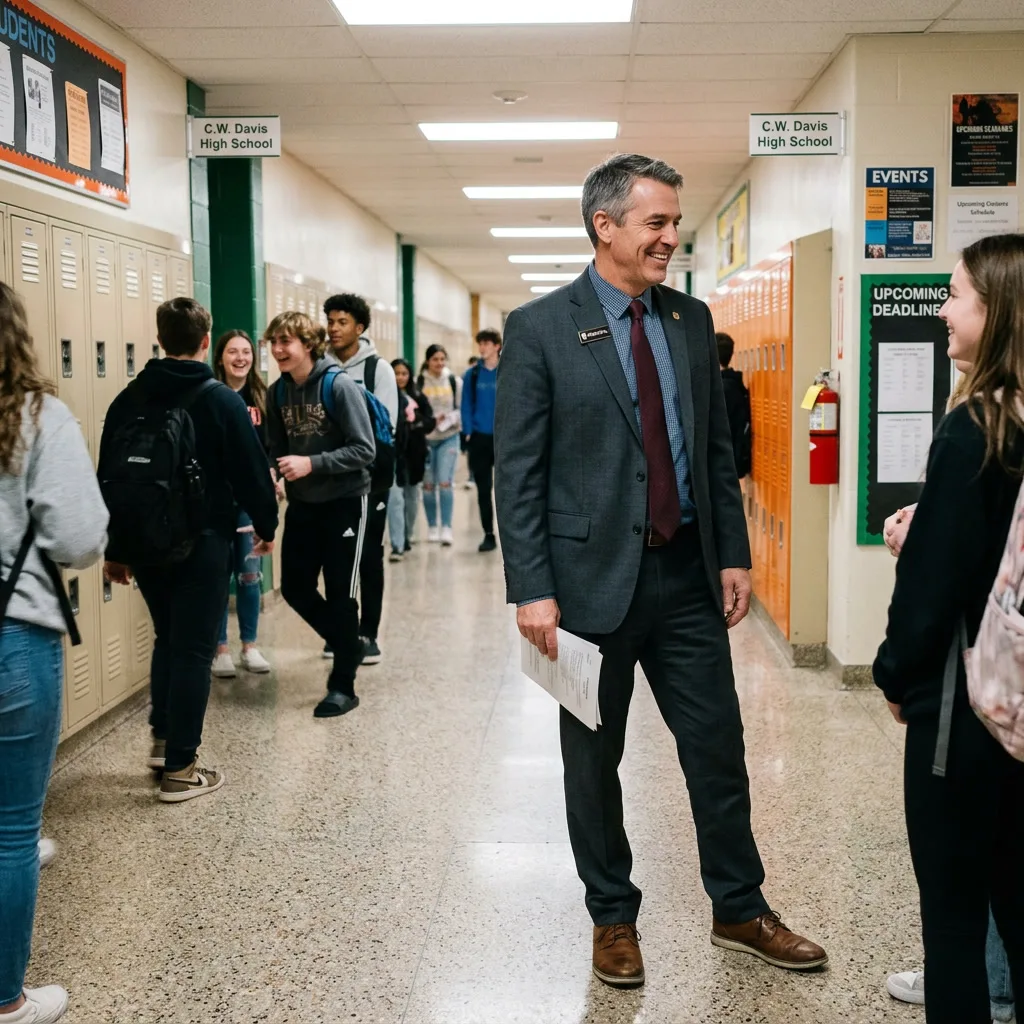
"The smartboard glare in our south-facing classrooms was a constant problem. After installation, teachers stopped having to pull blinds every afternoon. The difference was immediate."
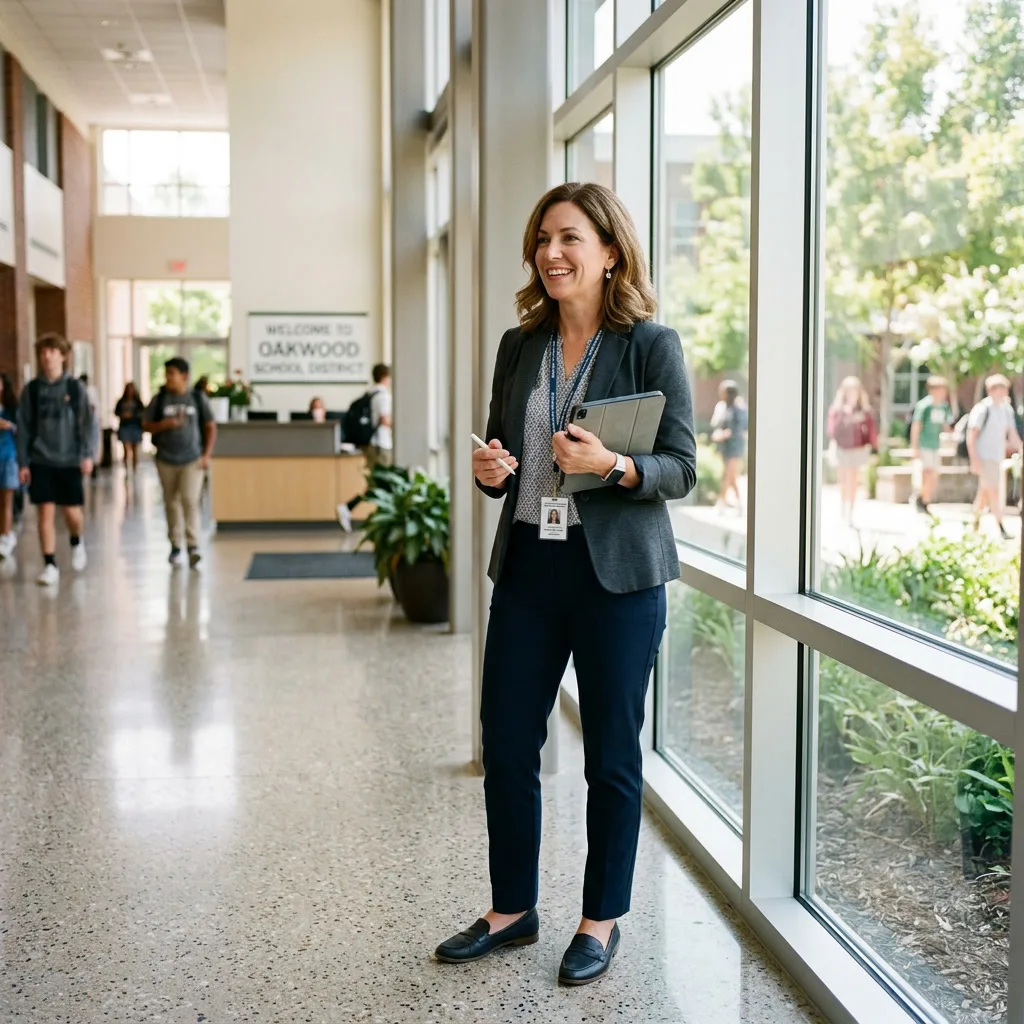
"We needed a cost-effective way to address security concerns at our entry points. Window film met our specifications and the installation was completed without disrupting a single school day."

"Our university facilities team was impressed by the process. Film selection was tailored to each building's orientation and use, and the results are immediately visible."
School Window Film Across Philadelphia
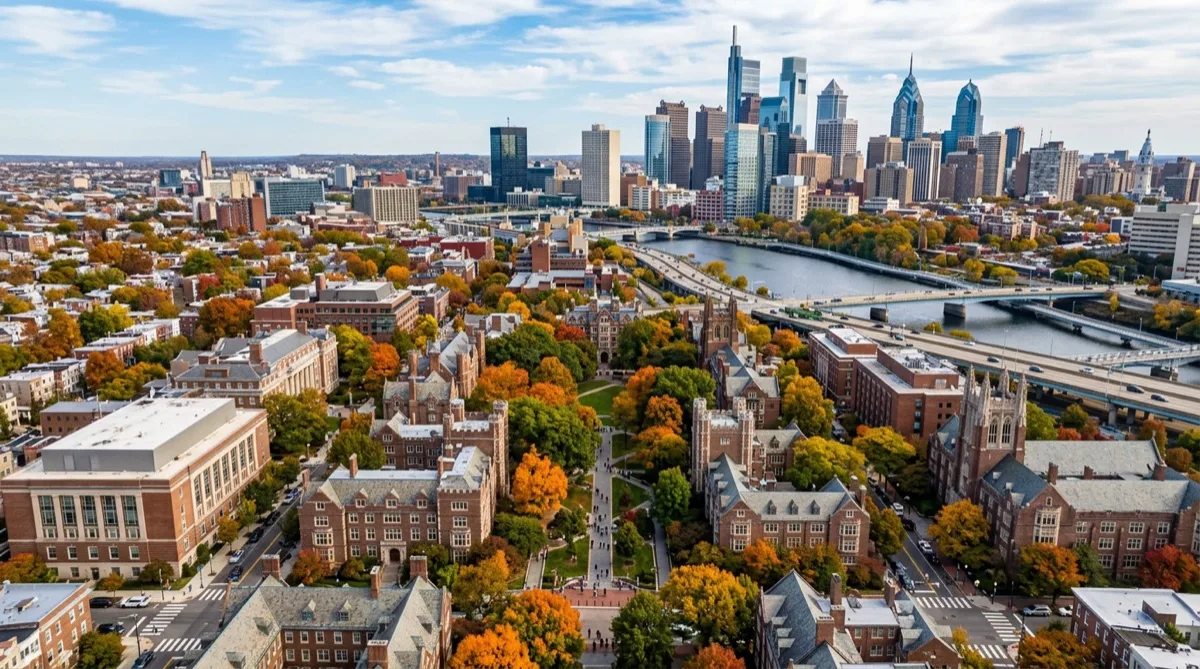
We install school window film in Philadelphia educational facilities across the city, from older neighborhood school buildings to university campuses with modern curtain wall glass.

Manufacturer Resources
School Window Film — Safety Specs, Performance Data & Case Studies
Download official spec sheets and technical data from the manufacturers whose films we install at Philadelphia schools and universities. These documents contain verified performance data, safety certifications, and product specifications for the films we specify for educational facilities.
- 3M Scotchshield Ultra S800 — Safety & Security Film Technical Data Sheet
- Vista SpectraSelect — Solar Control + Safety Film Performance Specifications
- Solar Gard 14 Mil — Safety & Security Film CSI Section 08 87 23 Specification
- LLumar Anti-Graffiti Window Film — Architectural Guide Specification (CSI 08 87 26)
- 3M Energy Efficiency Brochure — Commercial Window Film Energy Savings Data
- Madico Clear 14 Mil — School Safety & Security Film Case Study: Texas School District (48 Buildings)
- 3M Scotchshield Ultra Series — School Security Film Case Study: Jewish Federation of Cincinnati Schools
School Window Film FAQ
Philadelphia school leaders ask us about safety, glare, UV protection, energy savings, and scheduling around active campuses. Here are the answers.
Talk to a SpecialistSchool window film for Philadelphia is professionally applied polyester film installed on educational facility glass — classroom windows, gymnasium skylights, administrative partitions, and entry doors. It blocks up to 99% of UV radiation, rejects solar heat, controls glare on smartboards and screens, and strengthens windows against forced entry, all without structural changes or disruption to the school schedule.
We install the full range of school security films — from anti-intrusion safety film that meets ANSI Z97.1 and CPSC 16 CFR Part 1201 for entry points and ground-floor classrooms, to 3M Scotchshield Ultra series blast-mitigation film meeting GSA and Department of Defense glazing standards, to ballistic-resistant glazing film systems for the highest-risk areas. We assess each campus and specify the appropriate film tier for each zone. Solar control and UV protection are built into most security film selections at no additional cost.
Not necessarily. UV rejection and solar control are largely independent of visible light. Many of our films block 99% of UV while maintaining 70% or more of visible light transmission — classrooms stay bright and well-lit. We select the appropriate VLT level based on each room's orientation, use, and existing light levels.
Yes. Solar control film reduces the amount of solar heat entering through glass — cutting the cooling load on HVAC systems, particularly in south and west-facing classrooms that overheat in the afternoon. School districts with significant glass exposure see year-over-year reductions in energy costs.
Window film installation requires no structural work, no fumes, and minimal noise — similar to a routine maintenance visit. Individual classrooms can typically be scheduled around the school day, after hours, or during breaks. Most installations cause no disruption to instruction.
Yes. Window film bonds to glass surfaces and is compatible with most single-pane and double-pane window constructions found in Philadelphia's school building stock — including older buildings with original glazing. We assess compatibility during our free site survey.
Solar control film primarily manages heat, glare, and UV transmission — improving classroom comfort and energy efficiency. Safety film primarily strengthens glass against breakage and forced entry. Many of our products combine both functions in a single film, providing solar control and safety performance simultaneously.
Yes. Frosted and patterned decorative films are a standard application for school counselor offices, nurse stations, administrative suites, and any glazed space requiring visual privacy without eliminating natural light. Films are removable and replaceable as your facility layout evolves.
Professionally installed window film in educational settings typically carries a 10–15 year manufacturer warranty. With proper maintenance — gentle cleaning with non-abrasive products — most films perform effectively well beyond the warranty period.
Some Pennsylvania school districts have accessed energy efficiency and safety improvement funding for window film projects. We provide complete product documentation, performance data, and energy savings estimates to support grant applications and district sustainability reporting.
Protect Every Philadelphia Classroom — Start with a Free Assessment
No obligation. No disruption to the school day. We assess your building, recommend film specifications for each area, and provide a detailed proposal — at no cost to your district or institution.