Energy Savings Window Film
for Philadelphia
Reduce cooling costs, HVAC loads, heat gain, and indoor discomfort.
Energy-saving window film for Philadelphia homes and businesses rejects 78% of solar heat and cuts cooling costs 25-35% — without replacing your windows.
Trusted by 500+ Philadelphia homes and businesses


A Simple Upgrade.
A Measurable Impact.
Energy-saving window film can cut cooling costs by 10–30% for Philadelphia homes and businesses by rejecting up to 79% of solar heat gain. Applied directly to existing glass, it blocks UV radiation, reduces glare, and lowers HVAC load without window replacement.
Films are rated by the National Fenestration Rating Council (NFRC) for solar heat gain, UV rejection, and visible light transmission. For Philadelphia homes and businesses in IECC Climate Zone 4A, professional-grade film is one of the fastest-returning energy upgrades available.
Philadelphia Buildings Are Losing Energy Through Every Window
Philadelphia summers push glass buildings into solar overload. A single west-facing window can add the equivalent heat of a small space heater - all day, every afternoon. Your HVAC fights this relentlessly, burning energy and lifespan with every cycle.
- In summer, untreated windows let in solar heat that overwhelms your air conditioning.
- In winter, poorly insulated glass radiates interior warmth outside - buildings lose 15-25% of heating energy through windows alone.
- Window film addresses both - no replacement, no renovation, no downtime.
Since 2008, Window Film Philadelphia has installed energy-saving window film for hundreds of Philadelphia homes and businesses — cutting energy costs with professional-grade solar control and Low-E films.
Get a free energy assessmentHow does window film save energy without replacing windows?
Energy-saving window film in Philadelphia delivers real energy performance — no renovation, no mess, no window replacement needed.
Reject 78% of Solar Heat
High-performance solar control films block the majority of incoming heat on day one - no window replacement required.
Cut Cooling Costs 25-35%
Most Philadelphia properties see significant reductions in summer cooling bills within the first season after installation.
Year-Round Performance
Low-E films add winter insulation too - reflecting interior heat back inside during Philadelphia's cold months to reduce heating costs.
What Energy Savings Window Film Does for Your Building
From summer cooling relief to winter insulation, energy-saving window film in Philadelphia delivers measurable energy performance across every season.
78% Solar Heat Rejected on Day One
High-performance spectrally selective films block the majority of incoming solar heat immediately after installation - without changing how your windows look from the outside or making rooms feel dark.

Summer Cooling
Keep every room at a comfortable temperature all afternoon.
Year-Round Comfort
Consistent temperatures from floor to ceiling, every season.
Winter Insulation
Low-E films add an insulating layer that reflects interior heat back inside during Philadelphia's cold months, reducing heating costs 10-15%.
Residential & Commercial
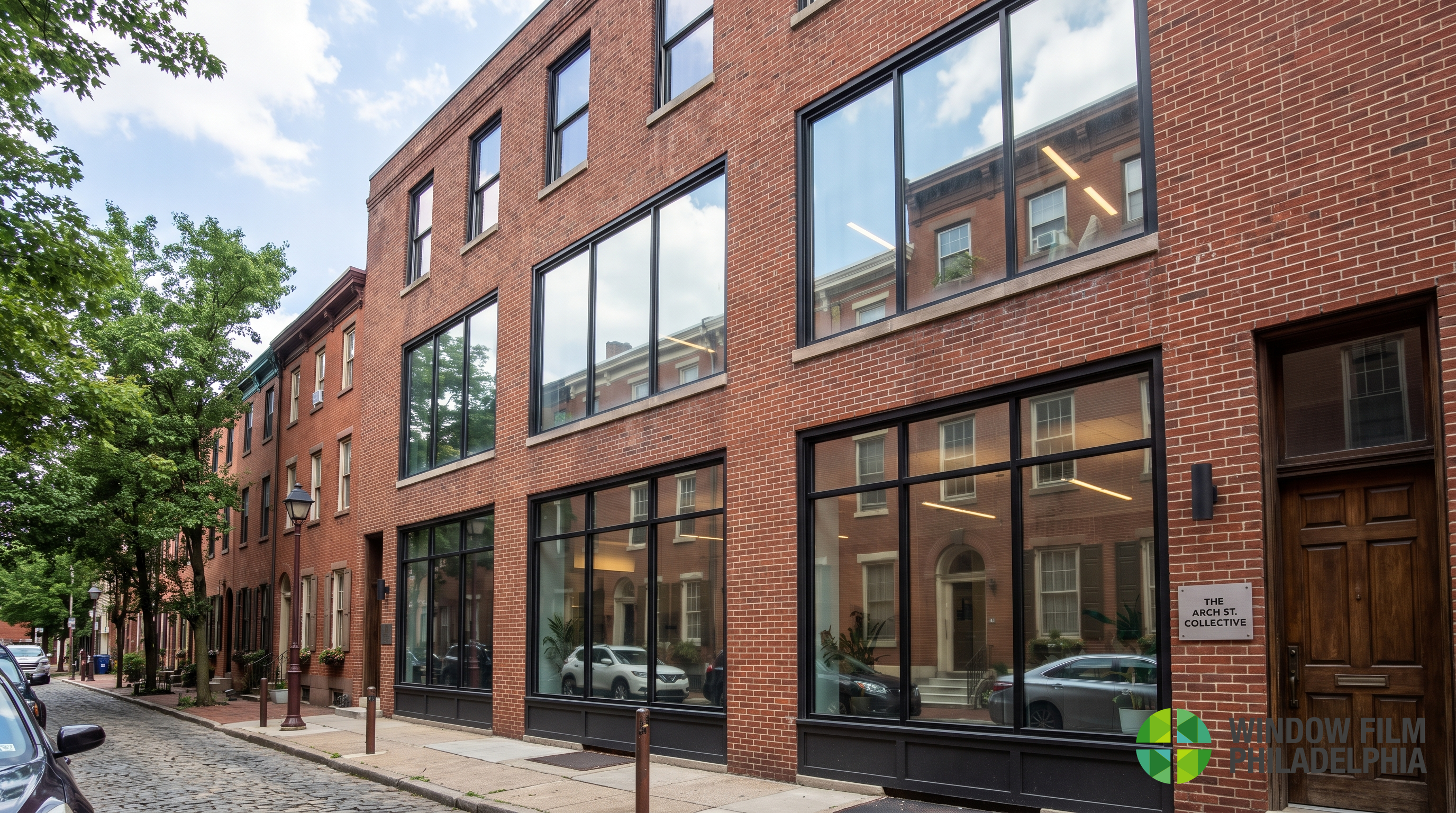
From South Philly rowhomes to Center City office towers - window film works on any glass, any size, any building type across the Delaware Valley.
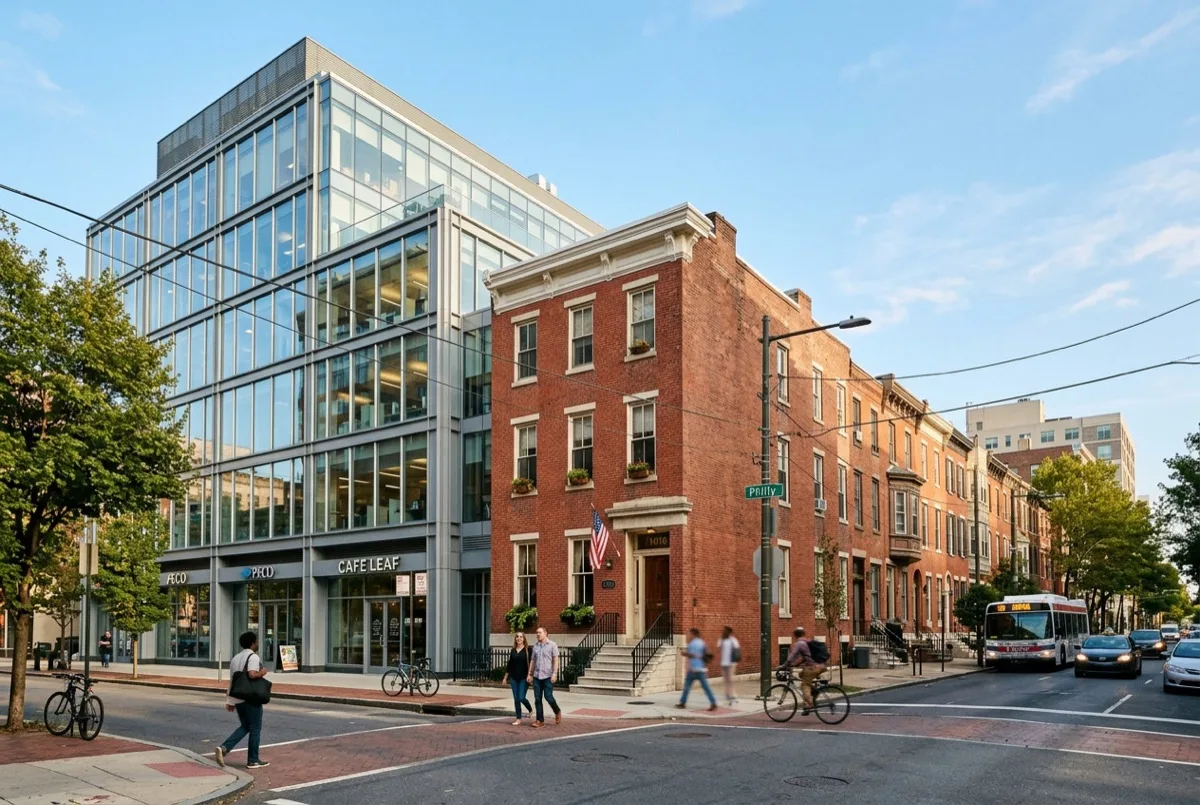
2-4 Year Payback
Most installations pay for themselves through energy savings alone within 2-4 years - then keep saving for 15+ years.
FILM TYPES
The Right Film
for Every Building
Not all energy-saving window film is the same. We match the right technology to your Philadelphia building, climate, and goals.
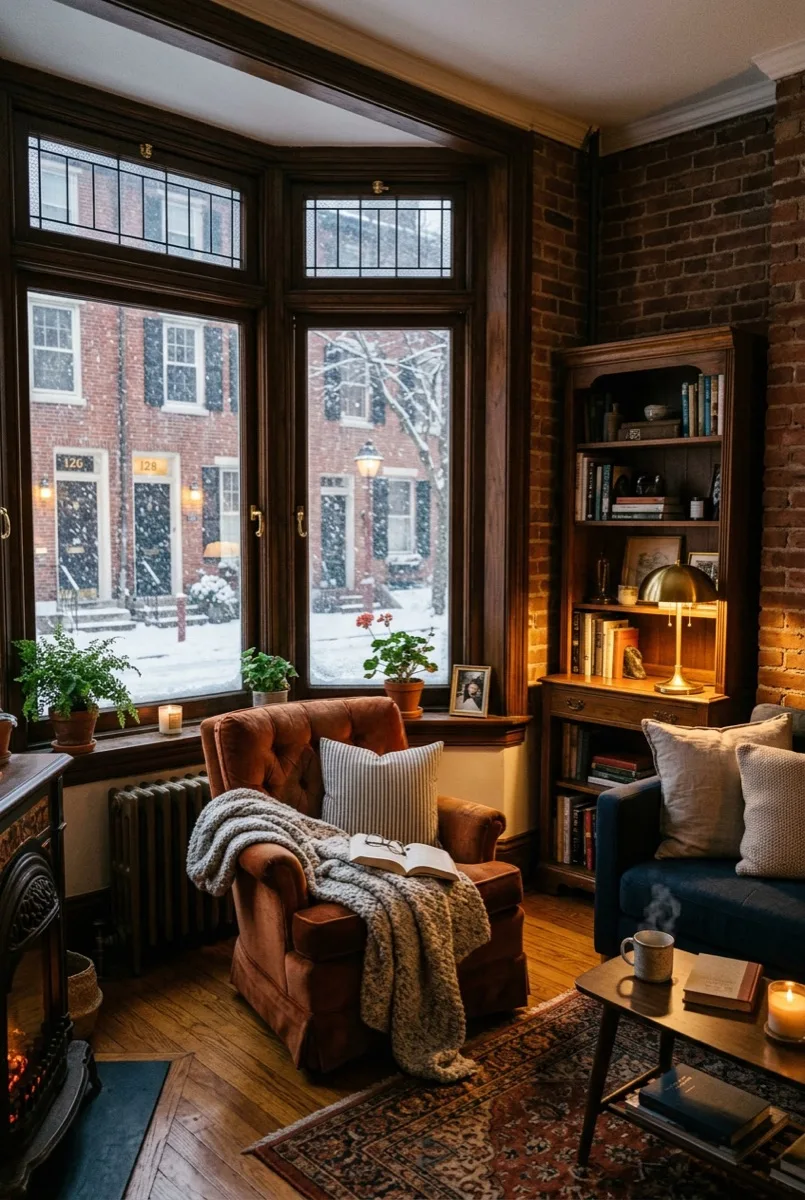
Low-E Film
Year-round insulation
Reflects interior heat back inside during winter while blocking solar heat in summer. Ideal for older single-pane windows in Philadelphia rowhomes that lose heat in cold months.
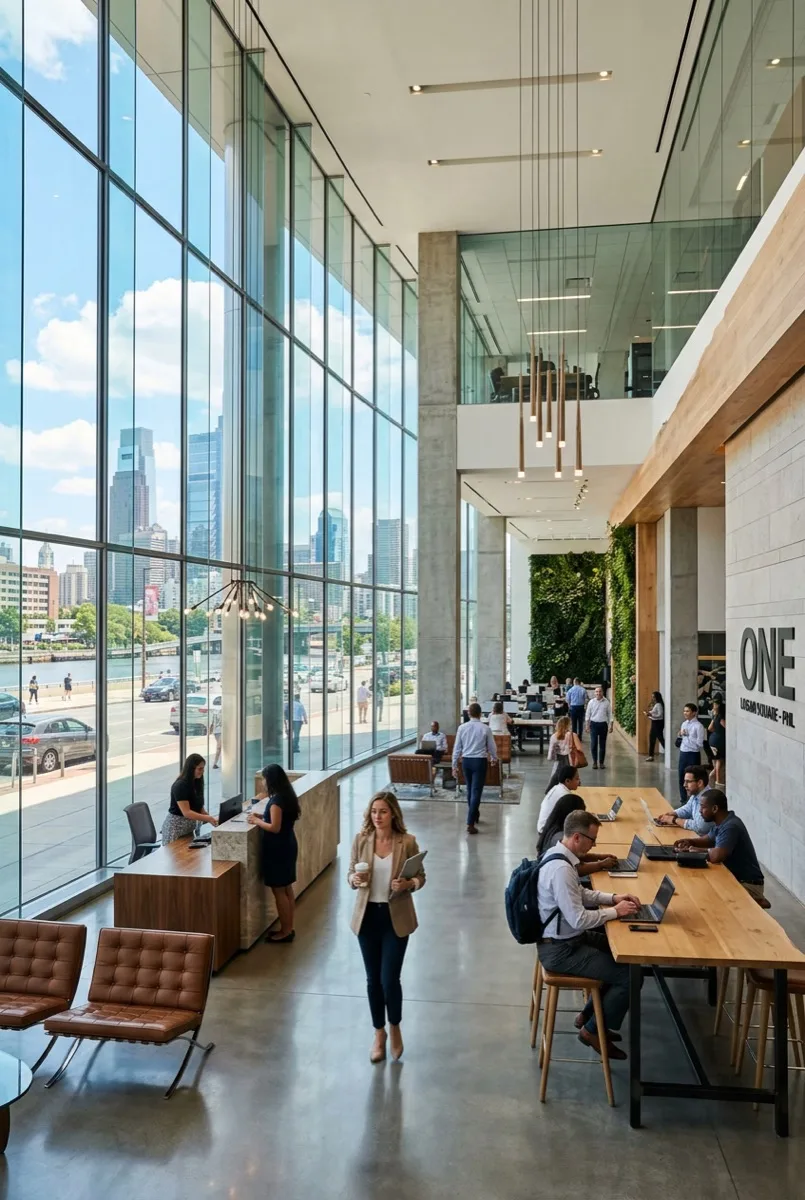
Heat Blocking Film
Stop solar heat at the glass
Absorbs and reflects incoming solar energy before it becomes heat inside your building. Best for south- and west-facing commercial windows with heavy afternoon sun exposure.
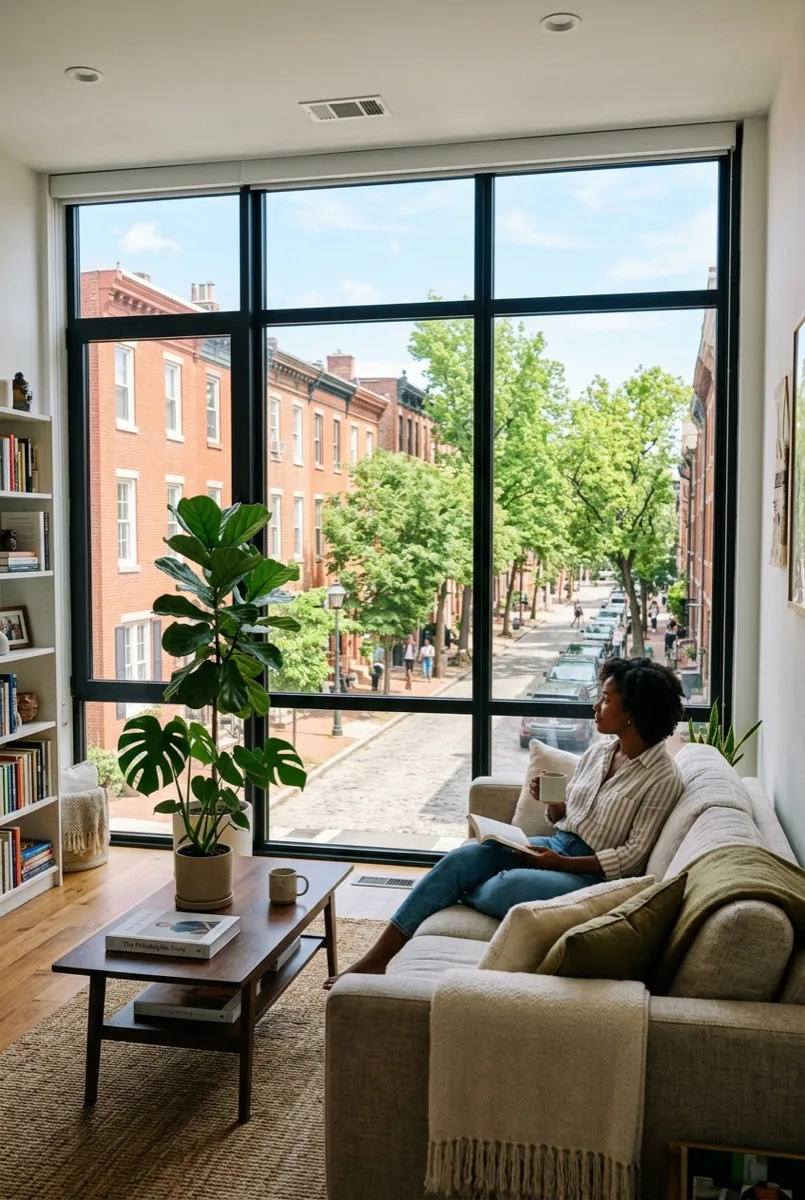
Nanoceramic Film
High performance, crystal clear
Uses nano-sized ceramic particles to reject heat and UV without any metallic tint or signal interference. Virtually invisible - perfect for condos, historic buildings, and HOA-restricted properties.
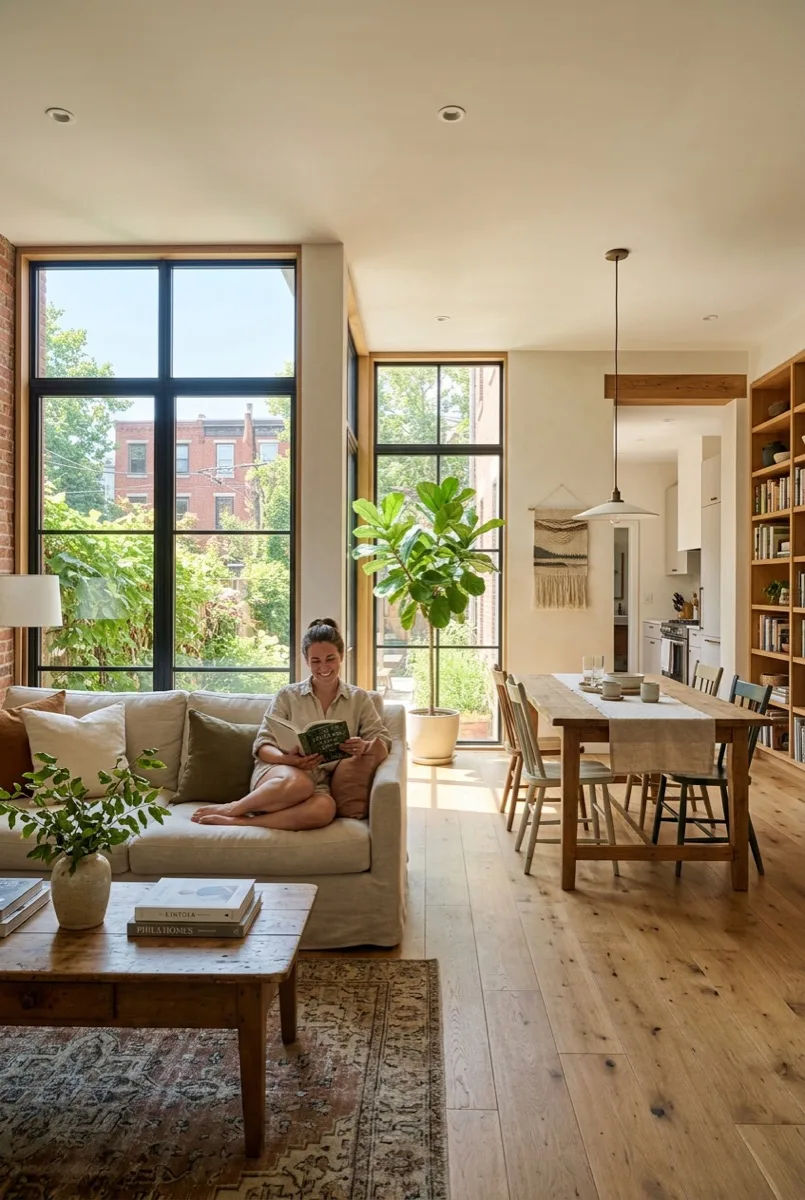
Spectrally Selective
Light in, heat out
Filters out infrared heat while allowing maximum visible light through. You get a bright, naturally lit space without the heat gain - no dark tint, no compromised views.
Energy Savings. Season After Season.
Energy-saving window film in Philadelphia doesn't just solve a summer problem. From blocking solar heat to insulating against winter cold, the right film delivers measurable performance every month of the year.
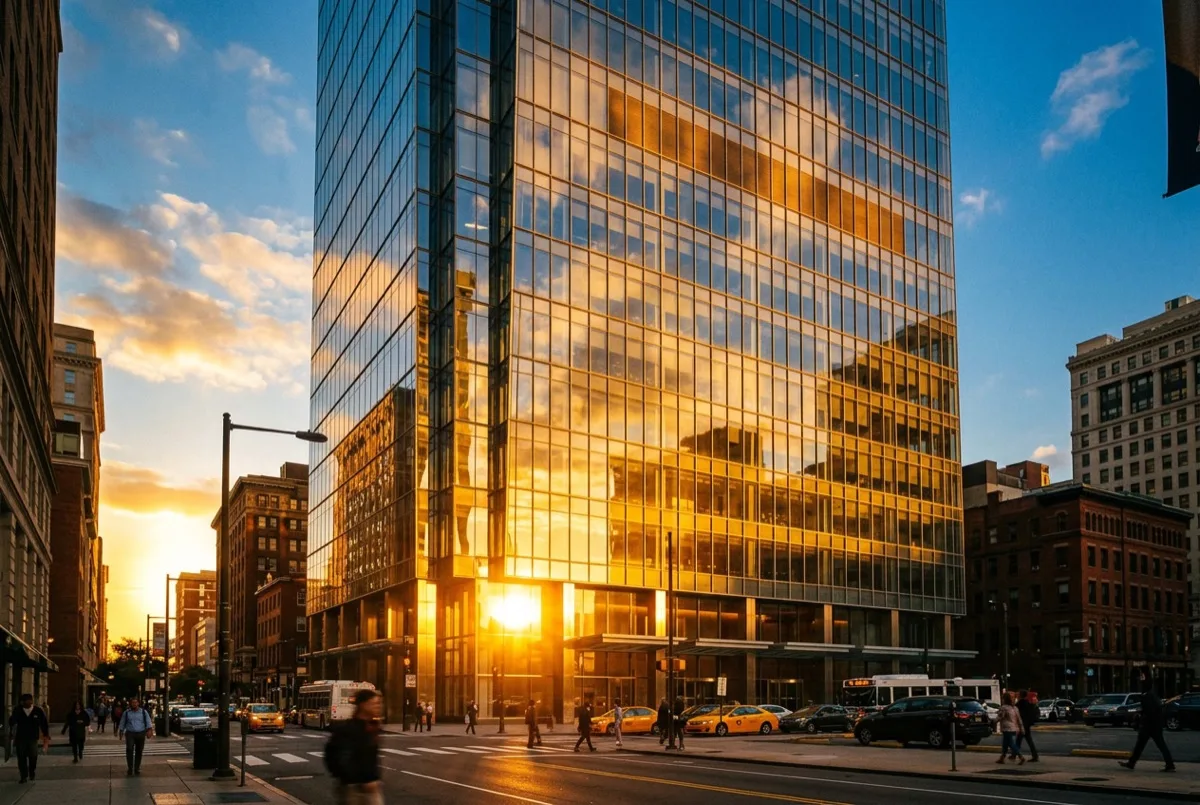
How solar control film blocks heat before it enters your building
High-performance solar control film is applied directly to your existing glass and immediately begins rejecting the infrared wavelengths that drive heat gain. A single film application can block 78% of incoming solar heat - the equivalent of upgrading to premium low-E glass, at a fraction of the cost.
- Up to 78% solar heat rejection on day one
- Works on single-pane, double-pane, and triple-pane glass
- No window replacement, no renovation, no downtime

Documented cooling cost reductions for Philadelphia properties
Philadelphia commercial properties with heavy glass exposure typically see a 25-35% reduction in summer cooling costs after installing energy-saving window film. Residential rowhomes with south- or west-facing windows — especially those with bay windows — can see cooling cost reductions of 10-30% in summer months, according to 3M's window film energy savings data and the U.S. Department of Energy's guidance on energy-efficient window coverings.
- 25-35% reduction in summer cooling bills
- Average payback period of 2-4 years
- Applies to homes, offices, retail, and commercial buildings

Not just summer relief - comfort in every season
Heat-rejecting films work in summer; Low-E films reflect interior warmth back inside during winter - addressing both extremes without replacing a single window. Hot spots near glass disappear. Cold drafts stop. The result is consistent, comfortable temperature from January through December.
- Eliminates hot spots near south- and west-facing windows
- Low-E options reduce winter heat loss 10-15%
- Works in homes, offices, and multi-family buildings alike
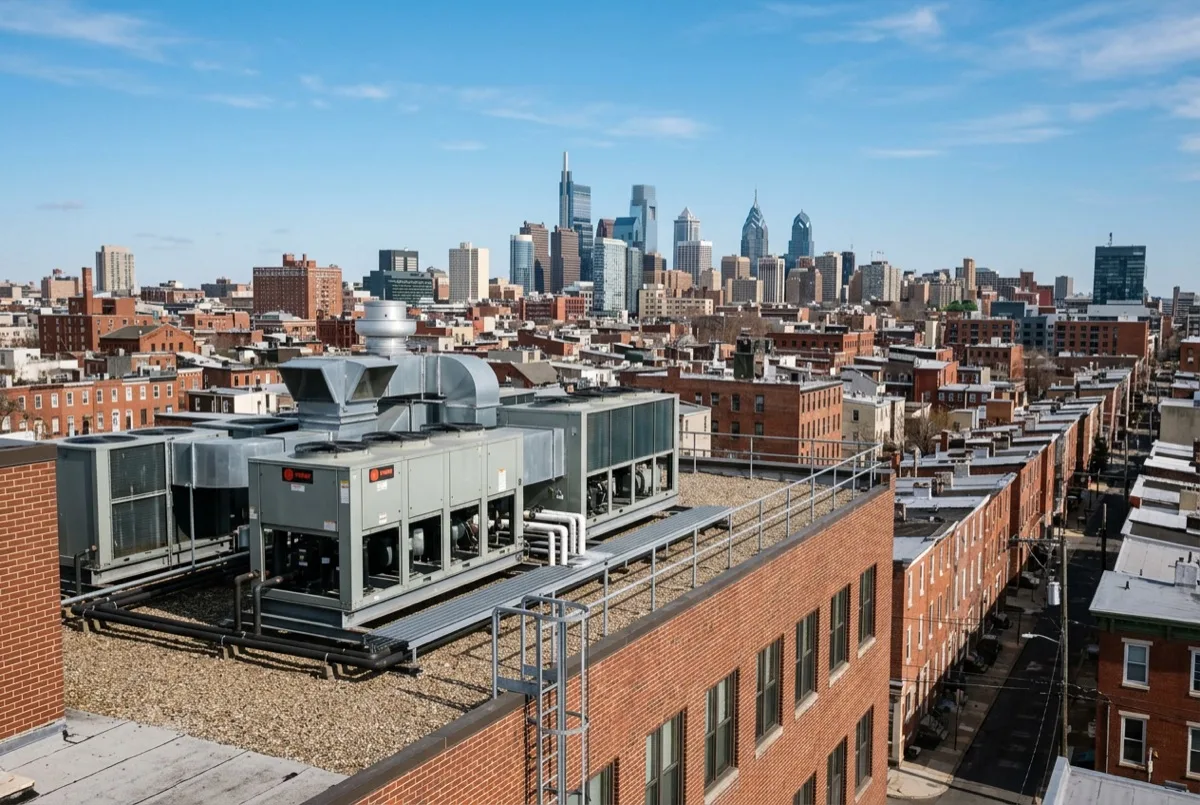
Less strain on your system - longer equipment life
Every degree your HVAC doesn't have to fight for is wear it doesn't accumulate. Energy-saving window film in Philadelphia reduces your building's thermal load continuously — all day, every day of the cooling season. Building engineers consistently report fewer service calls, longer maintenance intervals, and lower operational costs after installation.
- Reduced thermal load means your HVAC runs less
- Fewer service calls and extended equipment lifespan
- Lower long-term operational costs for commercial properties
OUR WORK
Energy-Saving Film
In Action
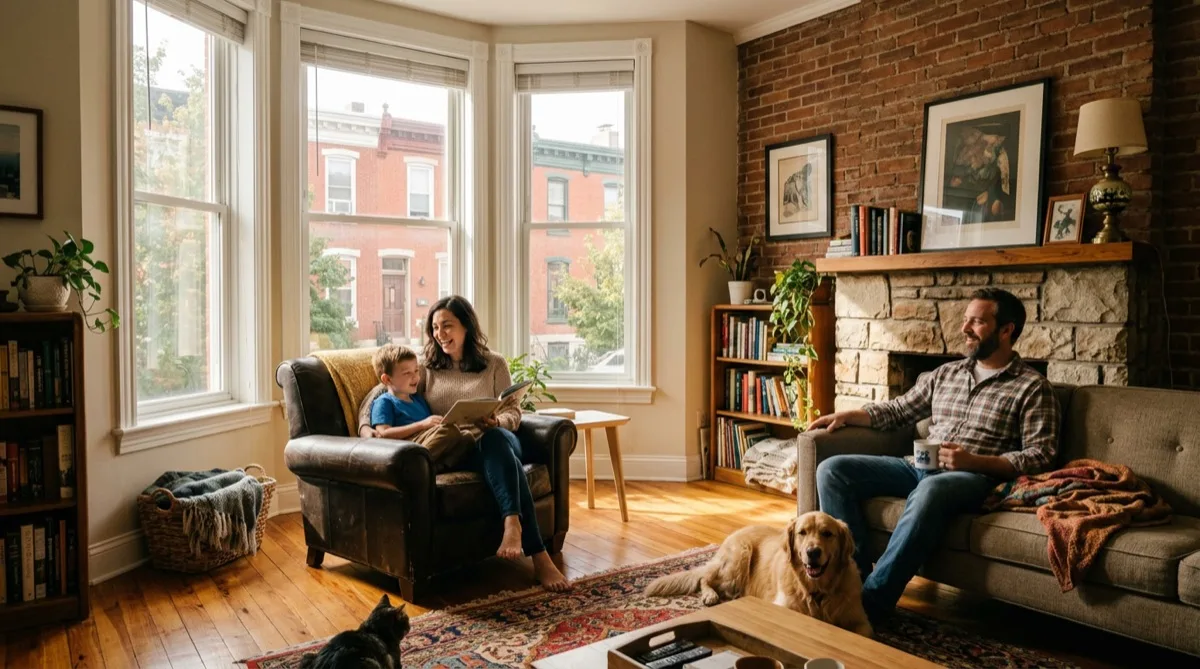
From Center City high-rises to South Philly rowhomes — here's what we install.

Philly
Office
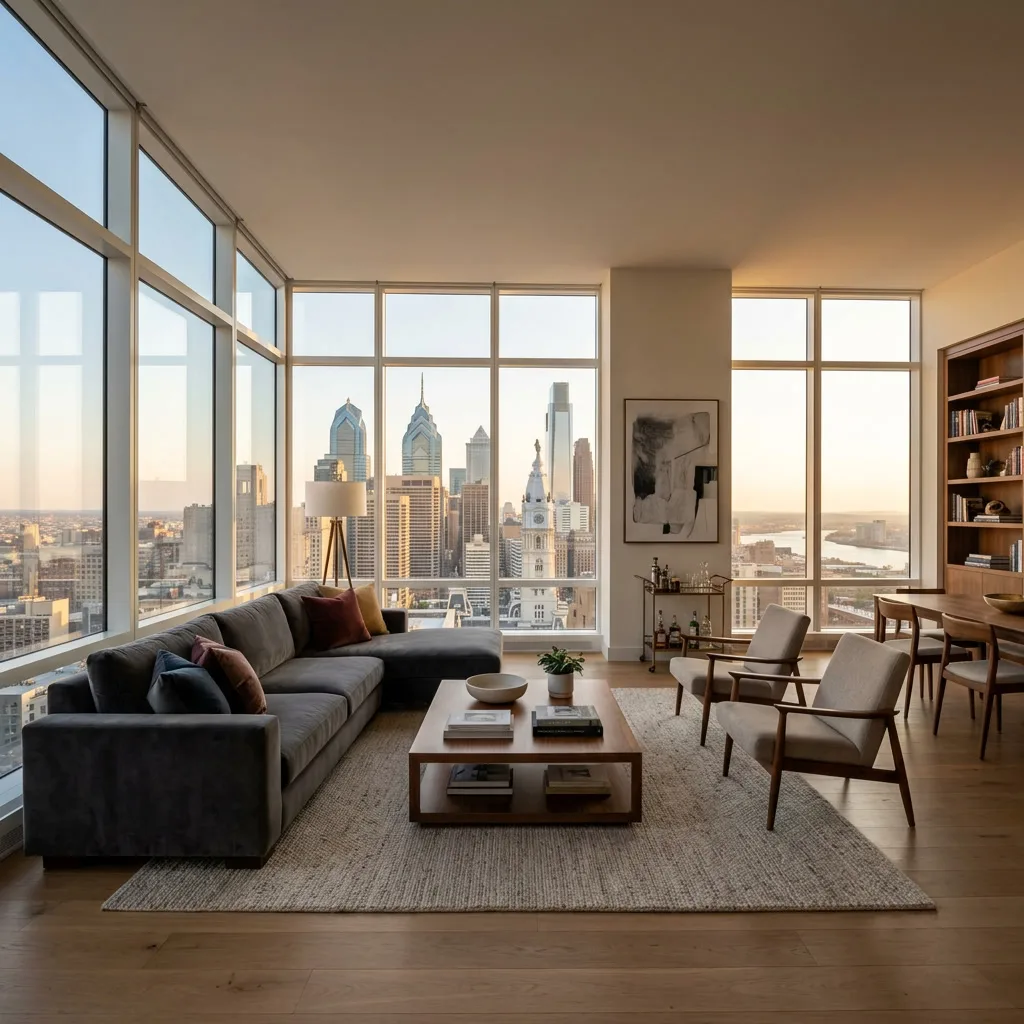
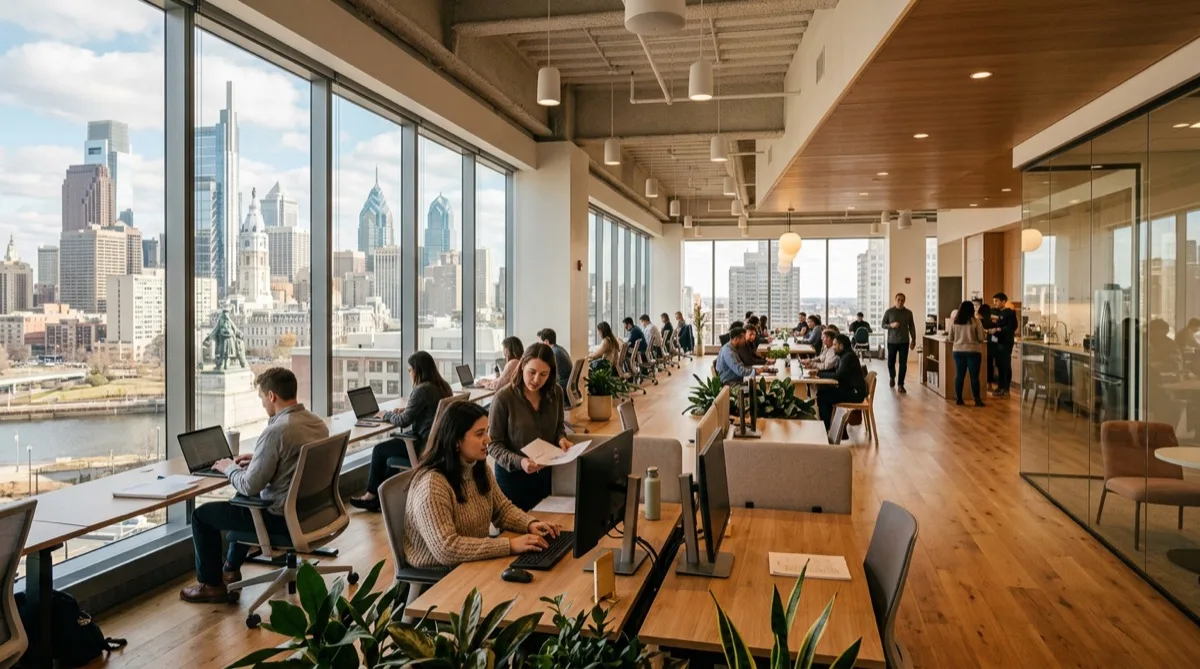
Solar control film cut glare and cooling costs in this Center City office — employees kept their skyline views without squinting through afternoon sun.
Philly
Home
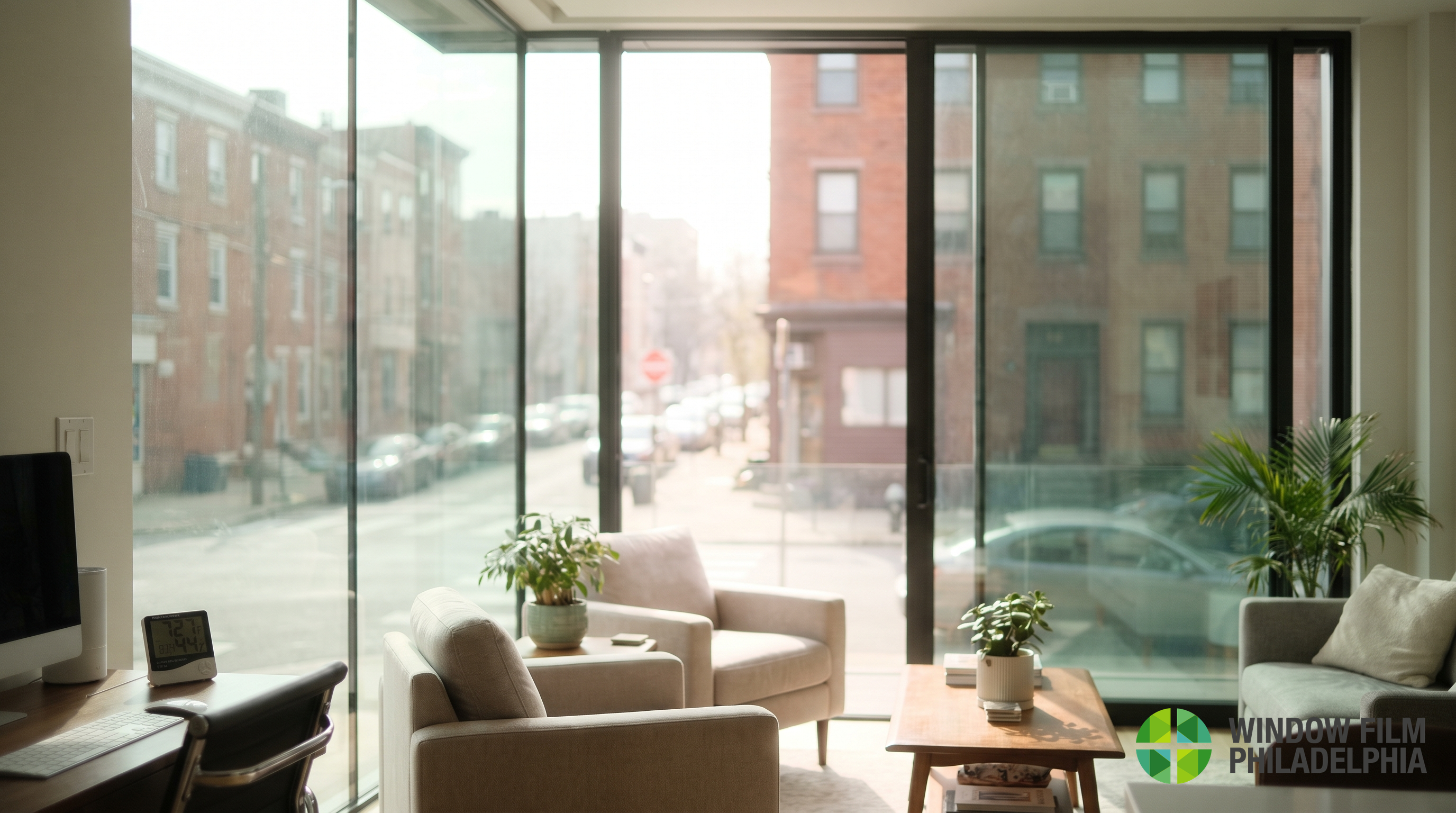
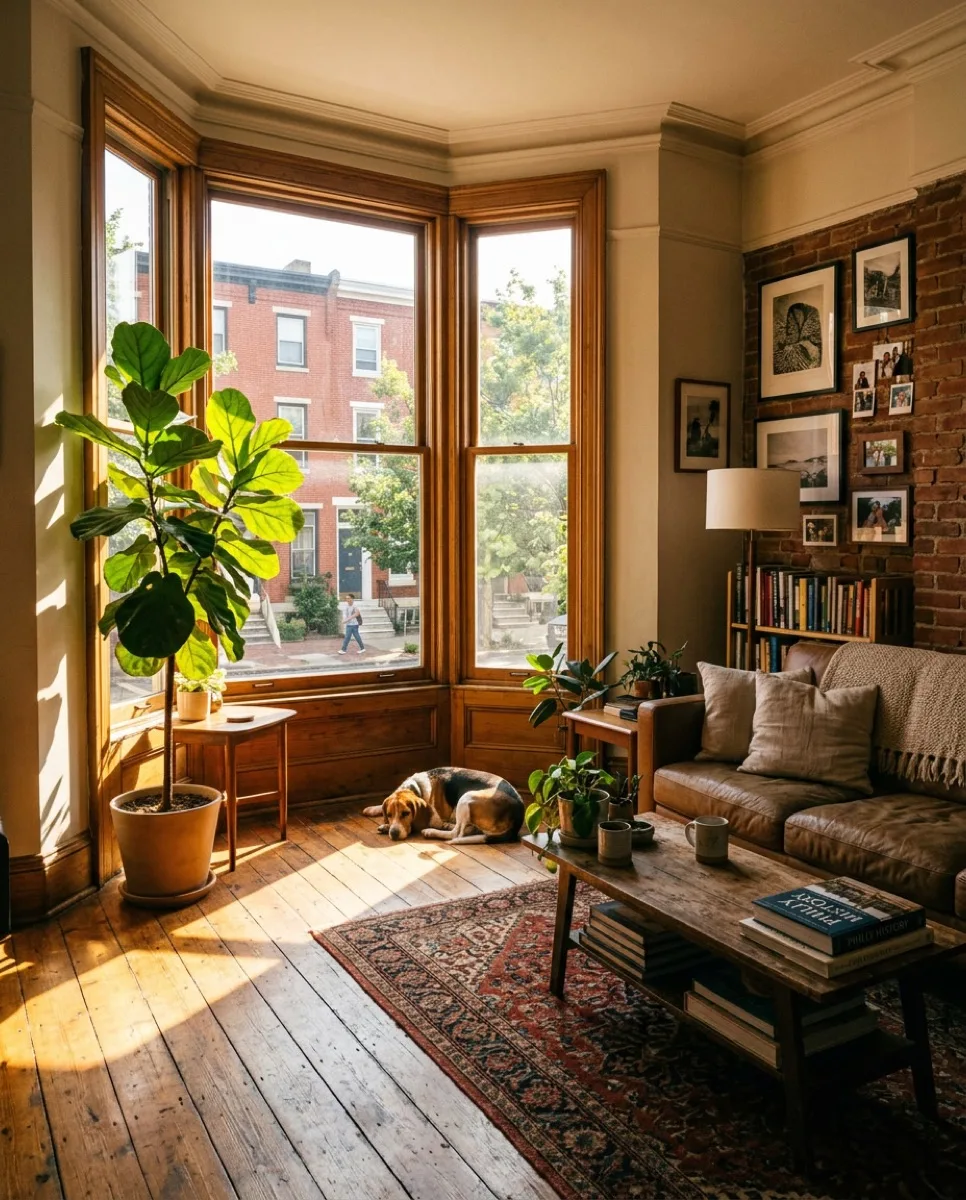
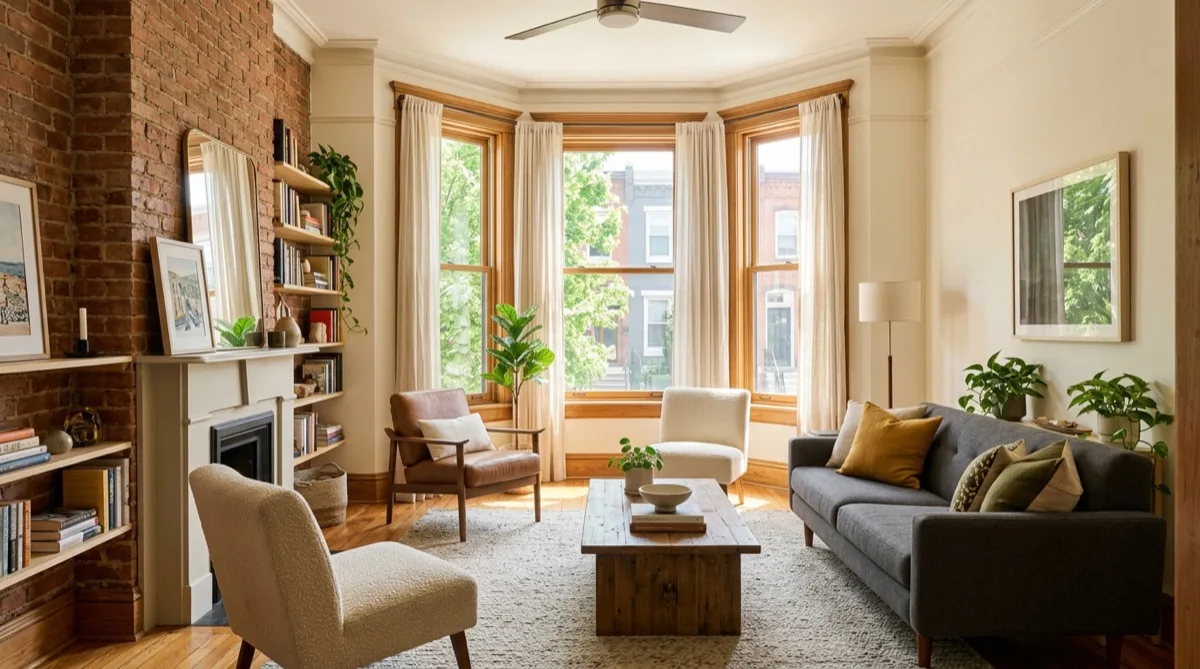
West-facing bay windows were turning this rowhome into an oven every afternoon. Energy-saving film now blocks 78% of solar heat before it ever enters the glass.

Residential
Install
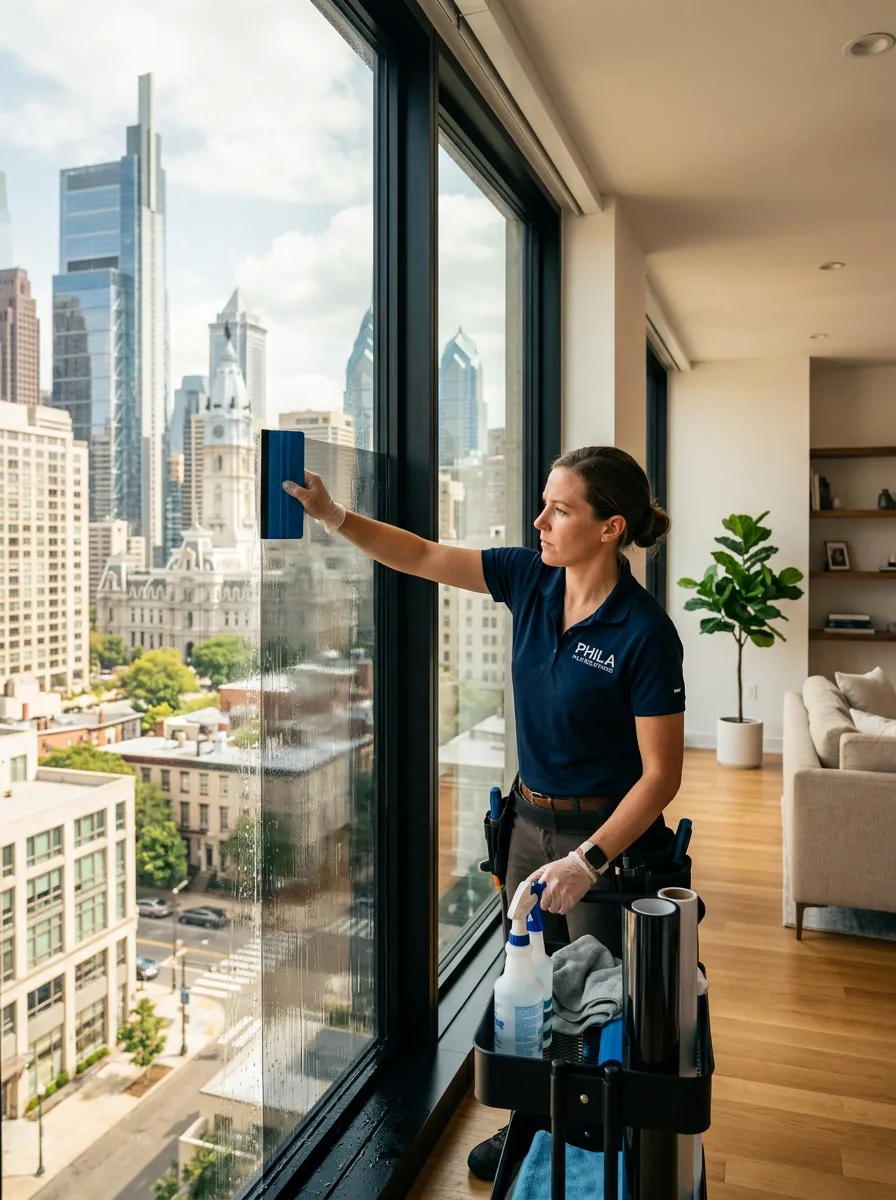
Our certified installers work cleanly and efficiently with minimal disruption to your home. No renovation, no mess — just professional film applied directly to your existing glass.
UV Protection
Verified
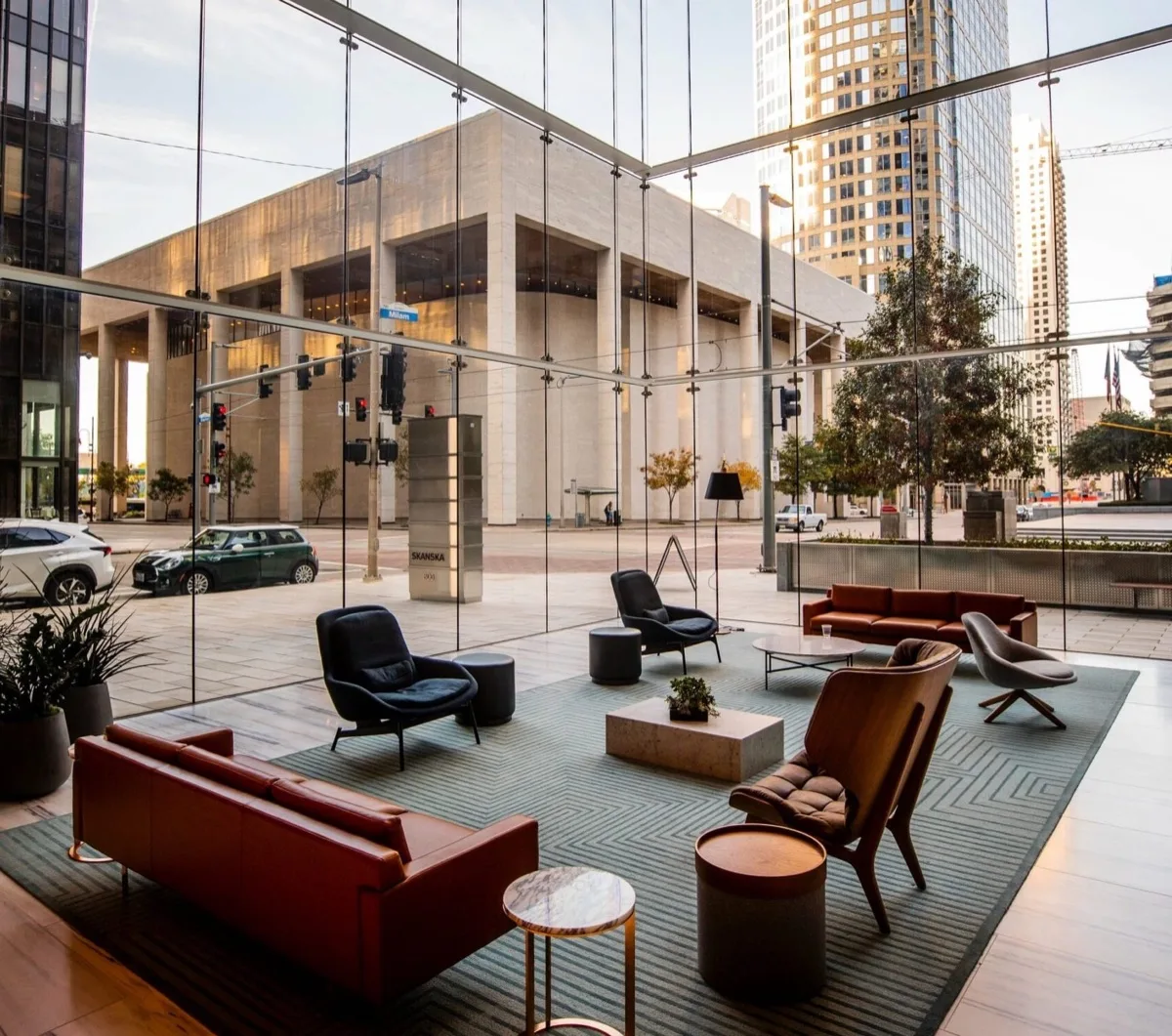
This Center City lobby now blocks 99% of UV rays — protecting furniture, flooring, and artwork from fading while keeping the full floor-to-ceiling view completely intact.
“Window films help block against solar heat gain and protect against glare and ultraviolet exposure.”
— U.S. Department of Energy, Building Technologies Office
3 Simple Steps to Lower Energy Bills
01 Free Thermal Analysis & Consultation +
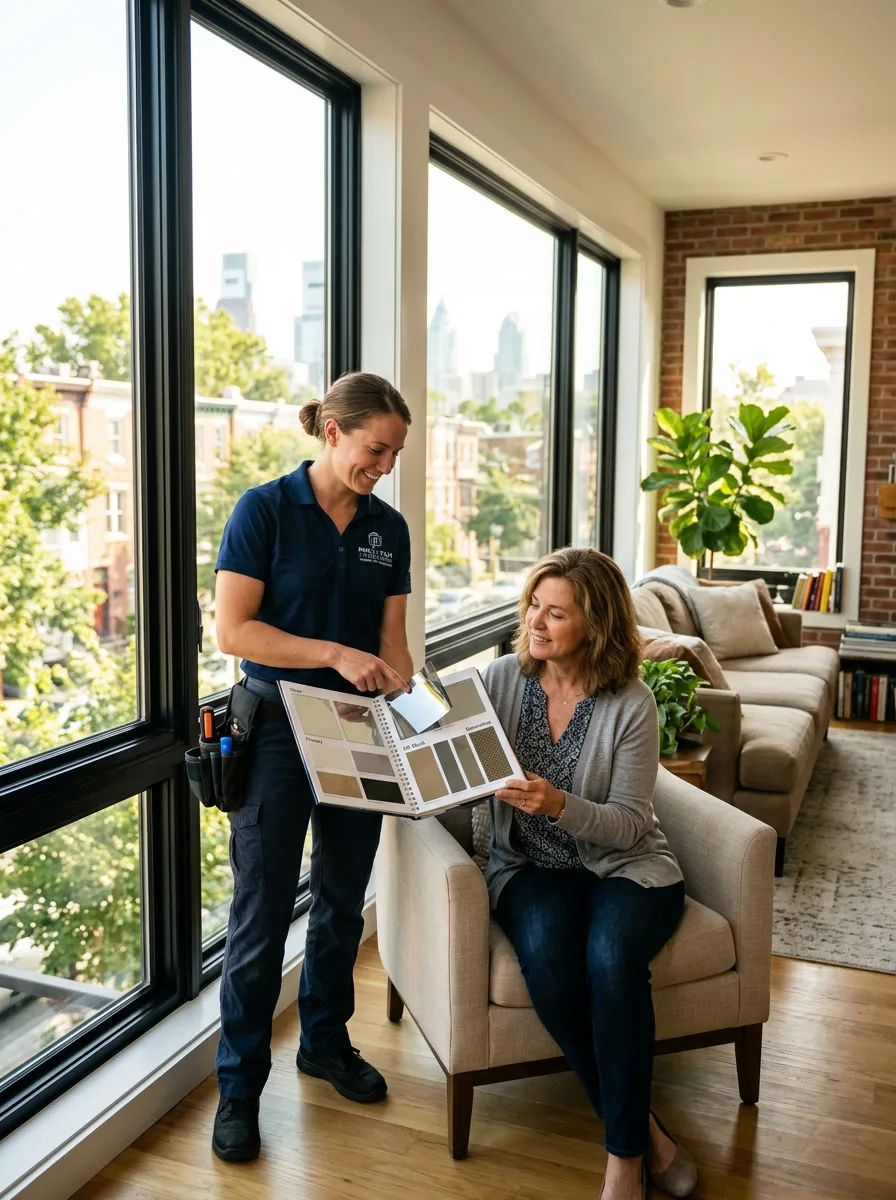
We visit your property and use thermal imaging to identify exactly where heat enters and escapes. You receive a detailed proposal with the optimal film for your glass type, building orientation, and energy goals. No obligation.
02 Custom Film Selection & Quote +
Receive a detailed written quote with product options, pricing breakdown, and projected energy savings. We'll recommend the right film for your glass type, orientation, and budget - no upselling, no pressure.
03 Professional Installation +
Our factory-trained installers complete the job cleanly and efficiently with minimal disruption to your home or business. We work around your schedule and leave the space spotless.
04 Inspection & Long-Term Warranty +
We walk the space with you before considering the job done. Every installation is backed by our labor warranty, and most films come with a manufacturer's performance warranty. Warranty terms vary by product - we'll walk you through the specifics during your consultation.
Philadelphia’s Trusted Energy Film Specialists Since 2008
Not every window film company is the same. Window Film Philadelphia was founded in 2008 with a single focus: helping Philadelphia homeowners and businesses reduce energy costs, improve comfort, and protect their interiors with professionally installed window film. Over 16 years, we’ve completed more than 500 installations across the Delaware Valley — from Center City and Rittenhouse Square to Manayunk, Society Hill, and the Main Line — and built long-term relationships with the manufacturers whose products we stand behind. Explore our full range of window film services in Philadelphia to find the right solution for your property.
- 3M Authorized Dealer Factory-certified to install and warrant 3M window film products
- Certified by LLumar, Madico, Solar Gard & Vista Multi-brand certification means we recommend what’s right for your project, not what’s easiest to sell
- Fully Licensed & Insured All installations performed by licensed contractors with comprehensive coverage
- 500+ Philadelphia Installations Residential, commercial, historic, and multi-family — every glass type, every building
- 4.9 Stars on Google Consistently rated by Philadelphia homeowners and property managers
4.9 out of 5 ★★★★★ Google Reviews
Real Results from
Real Property Owners
Here's what Philadelphia homeowners and businesses say changed after installing window film.

Jennifer K.
“Our electric bill dropped nearly $400 in the first summer after the film was installed. The building is actually comfortable in the afternoon now — before, the west side was unbearable.”
Property Manager — Society Hill Condominiums

Marcus T.
“I was skeptical because we’d tried blinds before. But window film actually solved the problem — no more adjusting blinds, no more squinting. The HVAC ran half as much.”
Office Manager — Consulting Firm, Center City

Robert H.
“As a building engineer, I’ve watched film save thousands of dollars in HVAC calls over the years. The ROI is real and documentable. We specify it on every retrofit now.”
Chief Engineer — Commercial Property Group, Philadelphia
BY THE NUMBERS
Energy-Saving Window Film — Product Comparison
Verified performance data from official manufacturer spec sheets. We carry all brands listed and recommend the right product during your free Philadelphia consultation. Values measured on single-pane clear glass per NFRC standards.
| Product | Manufacturer | Film Type | VLT | TSER | Summer Heat Reduction | Winter Heat Savings | UV Blocked |
|---|---|---|---|---|---|---|---|
| Prestige 70 | 3M | Spectrally Selective | 70% | 50% | 38% | 17% | 99.9% |
| Hilite 70 | Solar Gard | Spectrally Selective | 72% | 55% | 48% | 4% | >99% |
| SpectraSelect VS70 | Vista | Spectrally Selective | 65% | 52% | 51% | 22% | >99% |
| Ceramic 55 | LLumar | Ceramic | 46% | 43% | 57% | 9% | 91% |
| Ambiance VE35 | Vista | Low-E | 36% | 26% | 41% | 74% | 89% |
| LE35 | LLumar | Low-E | 27% | 45% | 24% | 41% | 71% |
Data sources: 3M Prestige 70 Product Bulletin (April 2026); Solar Gard Panorama Performance Results (NFRC); LLumar Architectural Window Film Performance Data; Vista Architectural Window Film Specs (Eastman). Measured on single-pane clear glass. Actual performance varies by glass type and orientation.
Manufacturer Resources
Energy-Saving Window Film — Spec Sheets & Performance Data
We install energy-saving window films from the industry’s leading manufacturers. Download the official product bulletins and performance data sheets below to compare TSER ratings, SHGC values, Low-E specifications, and NFRC-rated energy performance for the films we carry in Philadelphia.
- 3M Prestige Series — Energy-Saving Solar Control Window Film Product Bulletin
- Solar Gard Panorama — Energy-Saving & Low-E Window Film Performance Data
- LLumar Architectural — Low-E & Solar Control Energy-Saving Window Film Specs
- Vista by LLumar — Low-E & Spectrally Selective Energy-Saving Window Film Spec Sheet
Frequently Asked Questions
Honest answers from people who've been doing this in Philadelphia for over 16 years.
Talk to a SpecialistMost Philadelphia property owners see a 25-35% reduction in summer cooling costs after installing heat-rejecting window film. The exact savings depend on your building's glass orientation, square footage, and current HVAC efficiency — but even a modest installation typically pays for itself within 2-3 years. Our window film pricing guide breaks down costs by property type.
Yes. Modern spectrally selective films are specifically engineered for dual-pane and even triple-pane glass. They reject solar heat without trapping energy between panes, so there's no risk of thermal stress or seal failure when professionally installed on the correct film type for your glass.
For most commercial buildings in Philadelphia, the payback period is 2-4 years through cooling cost reductions alone. Residential installations typically see 4-7 years, but when you factor in reduced HVAC wear, furniture and flooring protected by UV-blocking window film, and increased comfort, the real-world ROI is significantly faster.
Yes - especially Low-E window film. While standard solar control films focus on rejecting heat in summer, Low-E films add an insulating metallic layer that reflects interior heat back into your building during winter. This can reduce winter heating costs by 10-15% in Philadelphia's climate.
Every energy-saving film we install is backed by the manufacturer's warranty covering film performance - including solar heat rejection ratings and fade protection. We also provide a labor warranty on every installation. Warranty terms vary by product — we'll walk you through the specifics during your consultation.
SHGC stands for Solar Heat Gain Coefficient — a number between 0 and 1 that measures how much solar heat passes through glass. The lower the number, the less heat enters. Philadelphia's IECC 2021 energy code (Climate Zone 4A) requires new windows to meet an SHGC of 0.40 or below. High-performance energy-saving window film applied to existing glass can bring the effective SHGC well below that threshold — often achieving 0.22 to 0.35 depending on the film selected — without replacing your windows.
Most commercial installations in Philadelphia see payback within 2-4 years through cooling cost reductions alone. Larger glass footprints and south- or west-facing exposures accelerate that timeline significantly.
Yes — commercial energy-saving window film is specifically engineered for large glass surfaces. It is applied in panels with nearly invisible seams and performs consistently across floor-to-ceiling curtain wall systems.
Minimal disruption. Our crews work floor by floor, often during off-hours or weekends if needed. Most commercial installations are complete within 1-3 days with no impact on daily operations.
Philadelphia rowhomes with south- or west-facing windows — especially those with bay windows — can see cooling cost reductions of 10-30% in summer months after installing energy-saving window film in Philadelphia, according to 3M window film energy savings data and the U.S. Department of Energy's guidance on energy-efficient window coverings.
Not with the right film. Spectrally selective and nanoceramic options block heat while preserving 70-80% of visible light. Many homeowners say their rooms feel brighter and more comfortable after installation.
Yes — single-pane windows actually benefit the most from energy-saving window film. We will recommend the right film type for your specific glass to maximize performance and ensure long-term durability.
Ready to Cut Your Philadelphia Energy Bills?
Get a free consultation and thermal analysis. No obligation, no pressure — just honest advice on the right energy-saving window film for your property.