
Restaurant Window Film
for Philadelphia Dining
Window film built for Philadelphia Fine DiningCasual BistrosCafesBars & LoungesBYOB Spots .
Philadelphia restaurants deal with solar glare, rising energy costs, UV damage to furnishings, and the constant need to protect their ambiance. Restaurant window film for Philadelphia addresses all of it — without changing a fixture or closing a blind.
Trusted by Philadelphia restaurants, cafes, and hospitality venues





The Film Built for the Philadelphia Dining Room
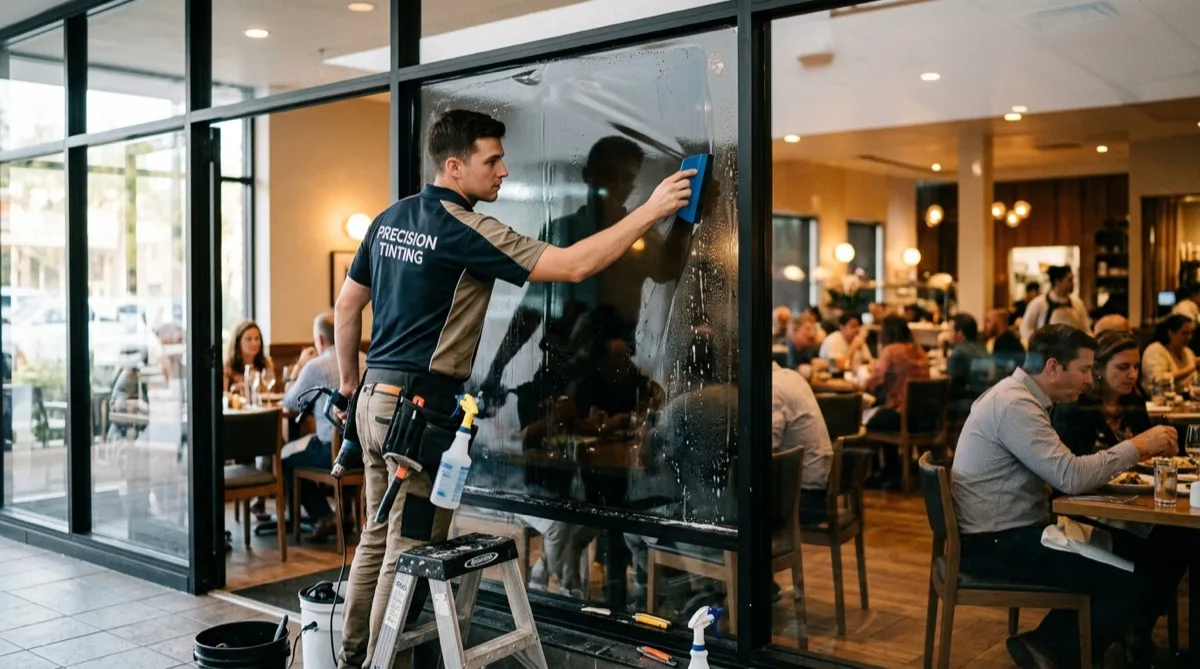
Restaurant window film for Philadelphia is a professionally applied polyester film that bonds directly to your existing dining room glass — blocking solar heat, UV radiation, and glare while preserving natural light and outdoor views. No window replacement. No renovation. No downtime during service. The result is a more comfortable dining environment for guests, lower HVAC costs, and protection for your investment in furnishings and ambiance.
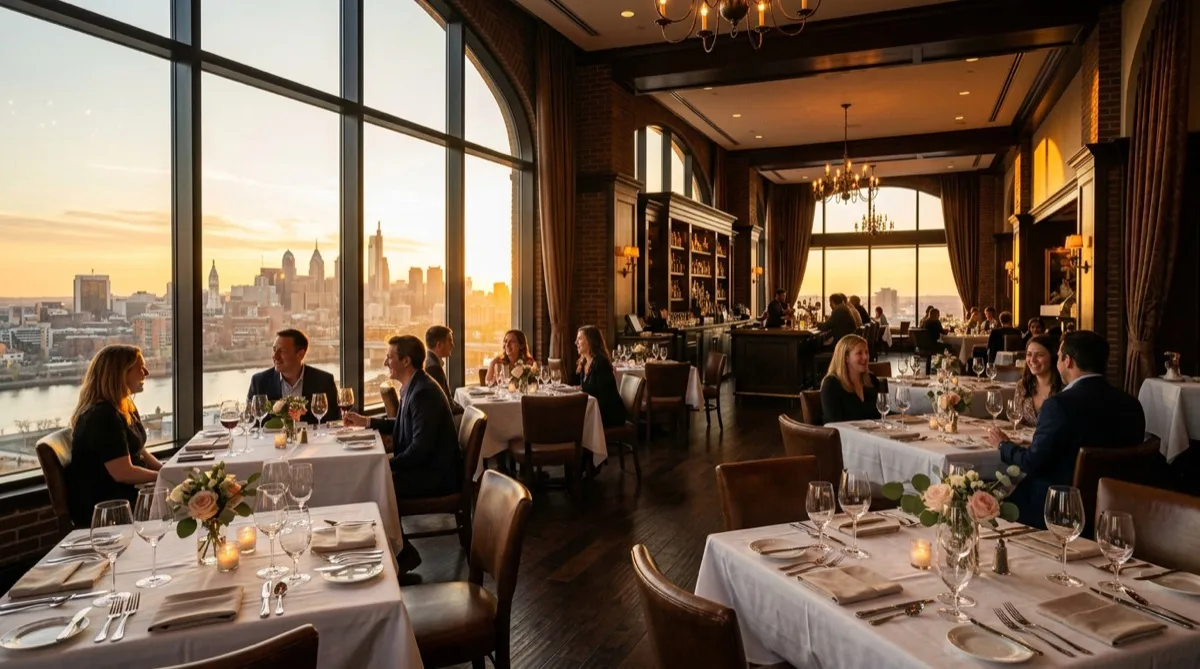
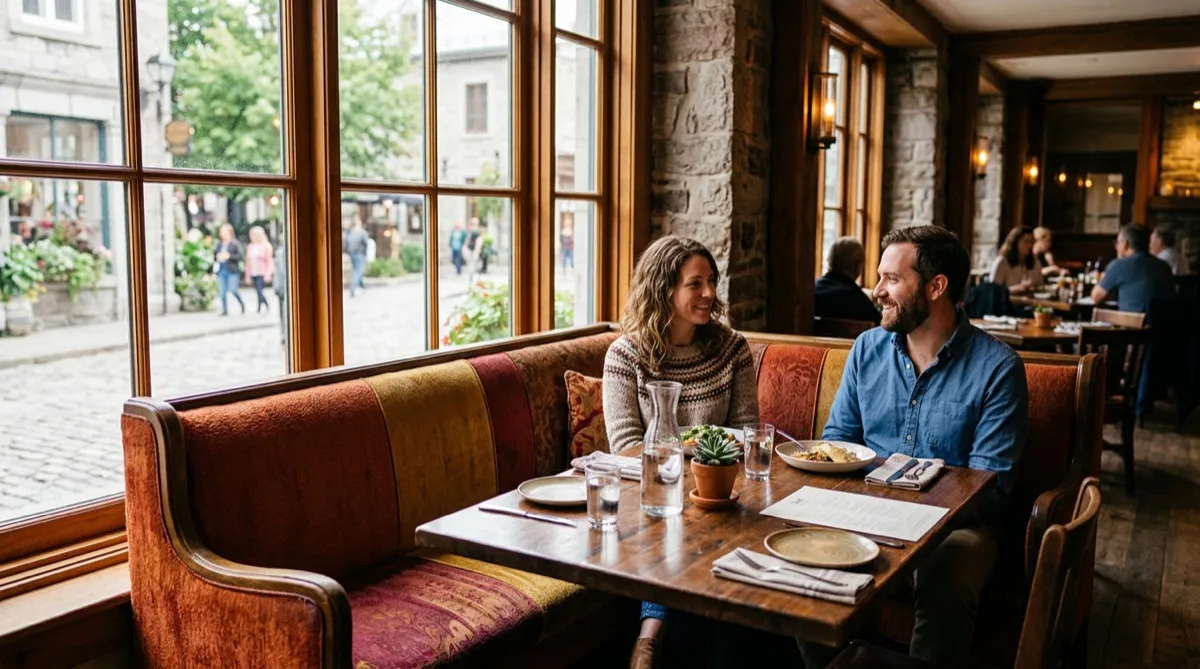
Philadelphia restaurants face a particularly challenging solar environment: west-facing facades on Rittenhouse Square, Fishtown, and East Passyunk take the brunt of summer afternoon sun directly during the 5–8pm dinner service window. Restaurant window film eliminates the squinting, the table-swapping requests, and the booths guests avoid — without touching a single fixture or closing a blind.
The Problems That Empty Tables and Drain Energy
Philadelphia's rowhouse-converted restaurants, Rittenhouse Square bistros, and Fishtown bars share a common problem: glass that looks beautiful in real estate photos and becomes a liability during prime service hours.
- West-facing windows deliver intense sunset glare from 5–8pm — exactly when tables near the glass go empty and hosts start pre-routing guests away from the front of the restaurant.
- Commercial kitchens generate significant internal heat — combined with solar gain through large dining room windows, HVAC systems run constantly and energy costs climb every summer.
- Expensive upholstered booths, hardwood floors, artwork, and branded elements fade from chronic UV exposure in as little as 6 months without UV protection on south- and west-facing glass.
- Street-level restaurant glass on high-foot-traffic corridors — South Street, Frankford Avenue, 9th Street — is vulnerable to graffiti tagging and smash-and-grab incidents with no protection.
The Numbers Behind Restaurant Window Film in Philadelphia
Performance data from 3M and DOE — not estimates.
70%+ Glare Reduction
Solar control film cuts glare during peak dinner service — keeping west-facing booths occupied through the 5–8pm service window.
99% UV Rays Blocked
UV radiation blocked — protecting upholstered booths, artwork, hardwood floors, and branded elements from irreversible fading.
79% Solar Heat Reduced
Solar heat gain through treated glass reduced by up to 79% — cutting HVAC load in dining rooms exposed to direct afternoon sun.
< 3% Light Change
Visible light change with high-VLT 3M Prestige films — dining room ambiance preserved while blocking the solar wavelengths that matter.
Restaurant Window Film for Every Philadelphia Dining Format
Different dining environments have different film priorities. Here's how we approach each type.
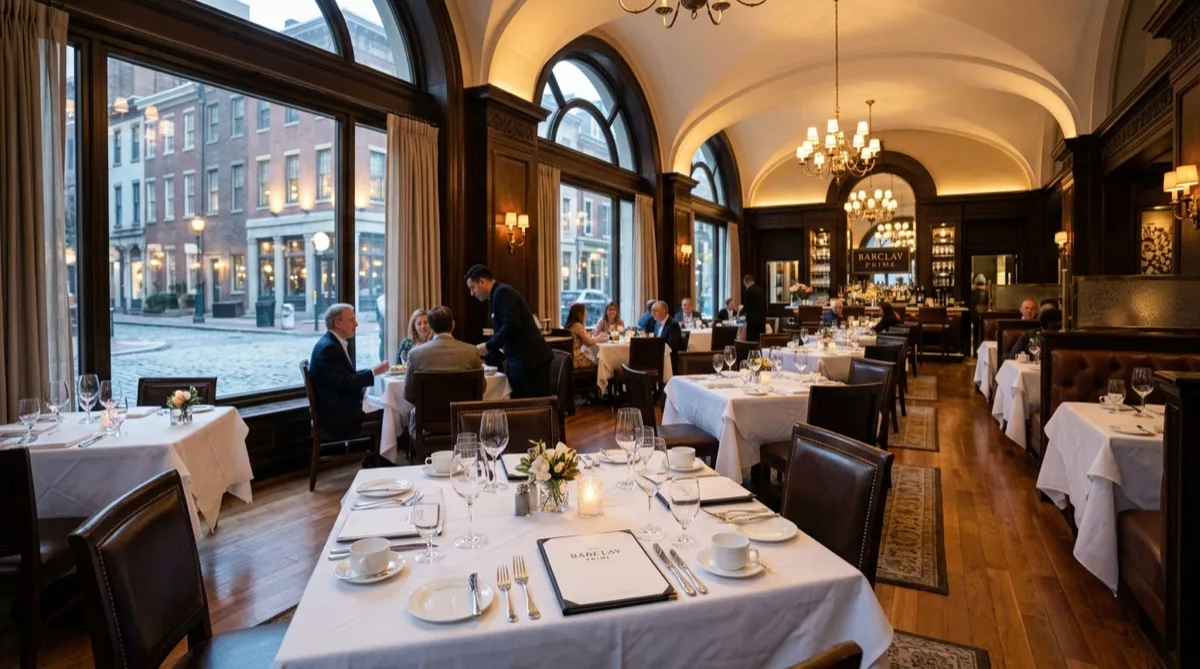
Fine Dining
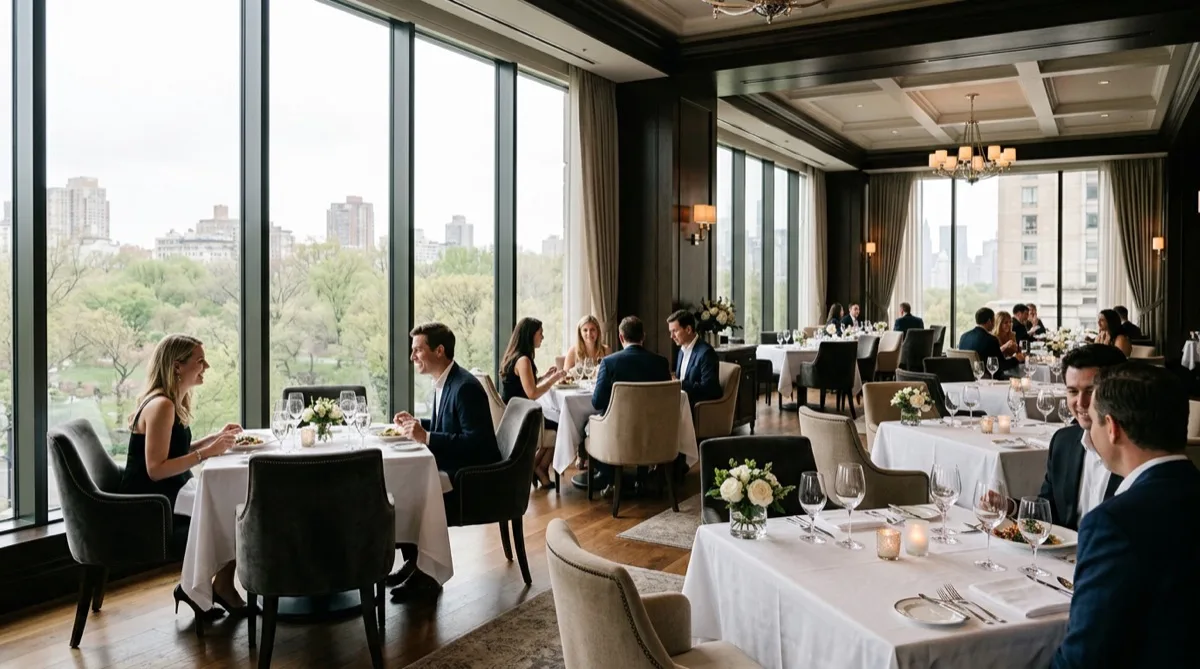
Upscale restaurants, tasting menus, white tablecloths — high-VLT film preserves ambiance while eliminating service complaints.
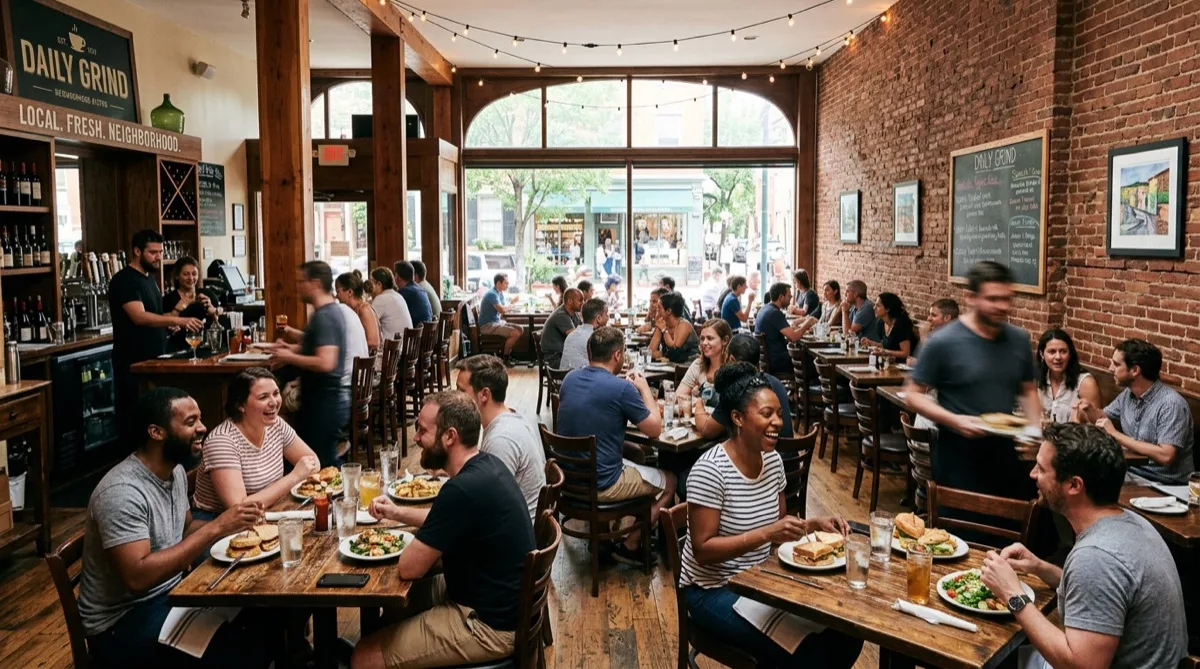
Casual & Family Dining
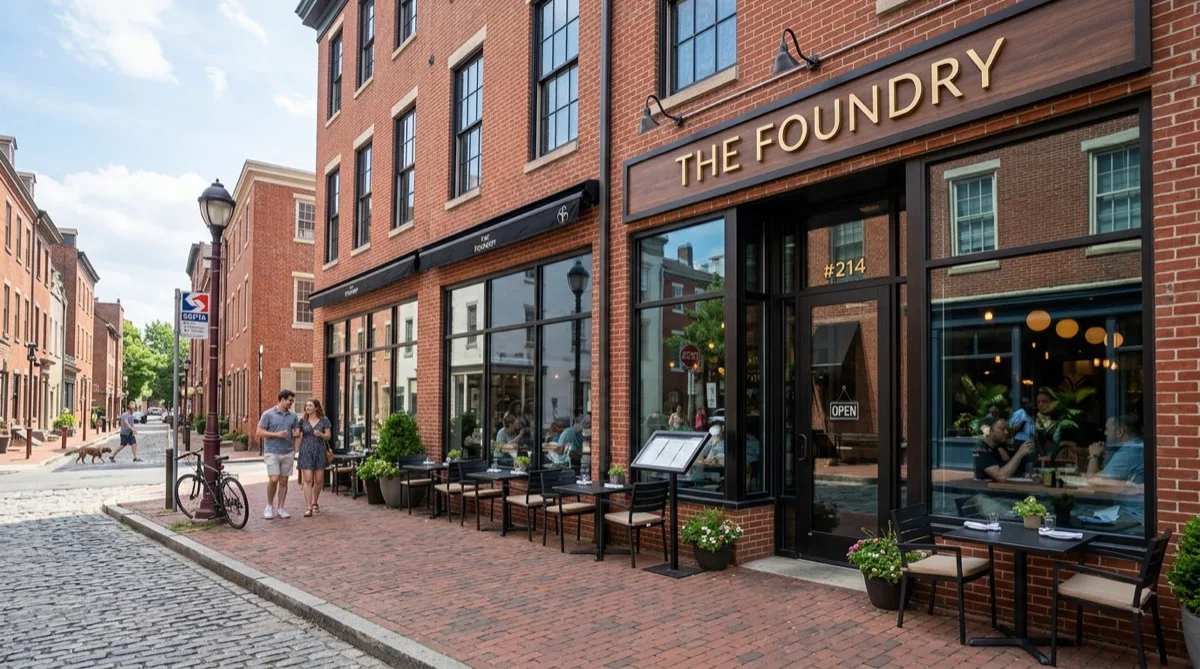
Neighborhood bistros, BYOB spots, family restaurants — solar control keeps every table comfortable without darkening the room.
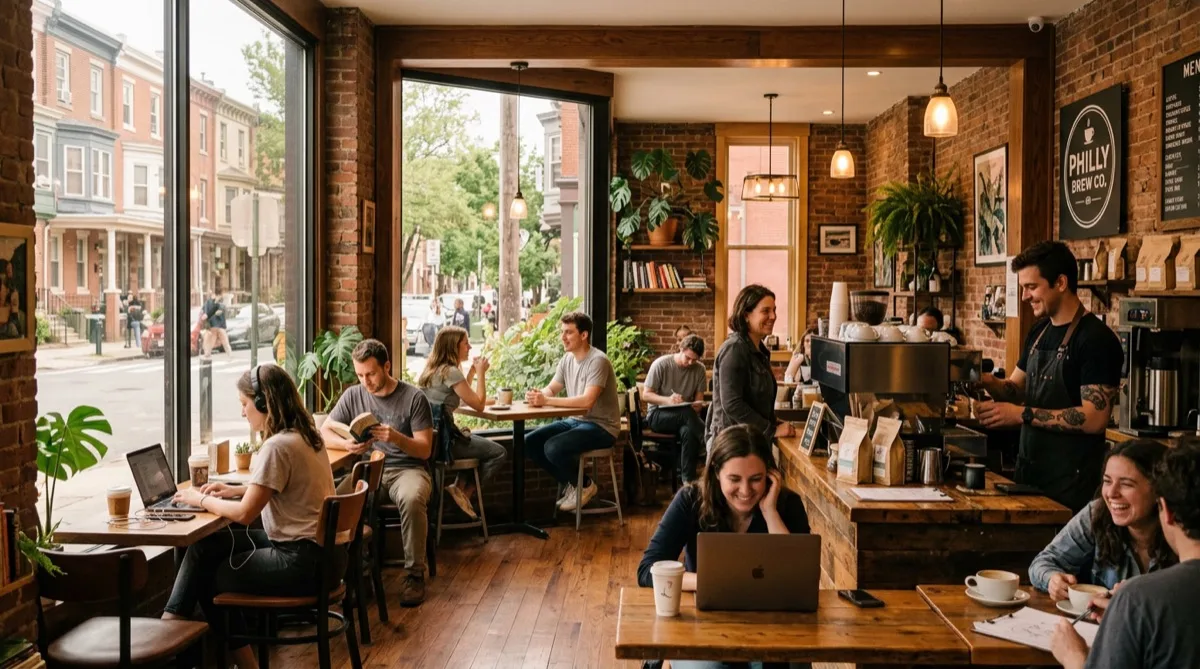
Cafes & Coffee Shops
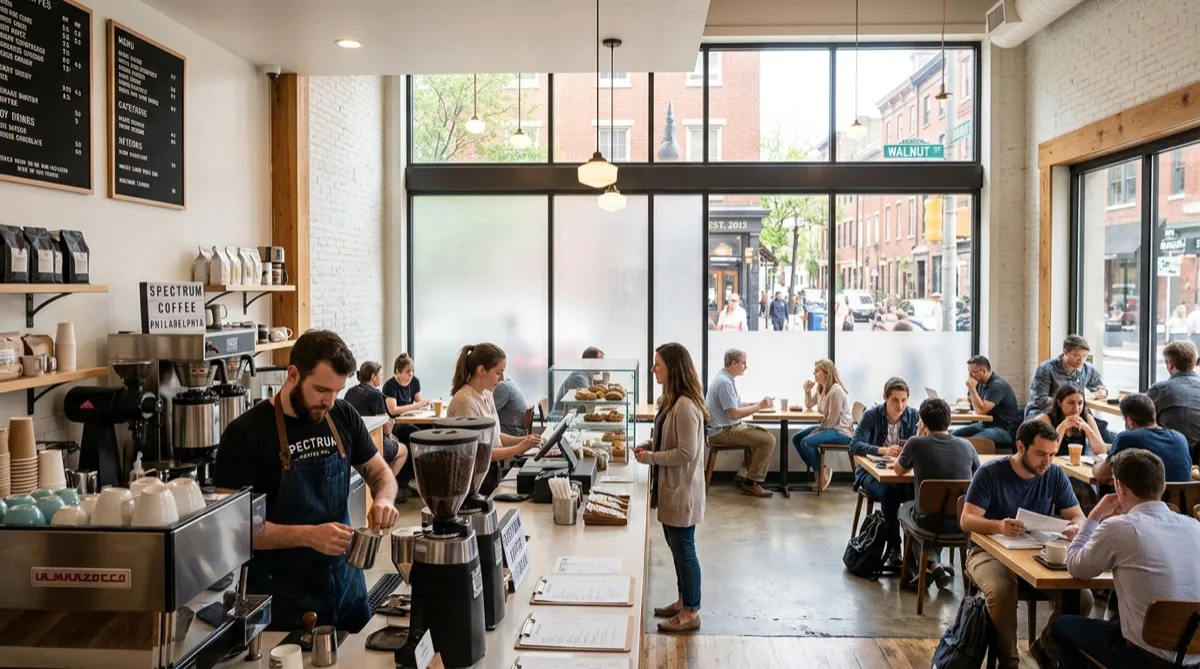
All-day cafes, morning rush, laptop-friendly spaces — daylight redirecting and solar control film creates a welcoming atmosphere all day.
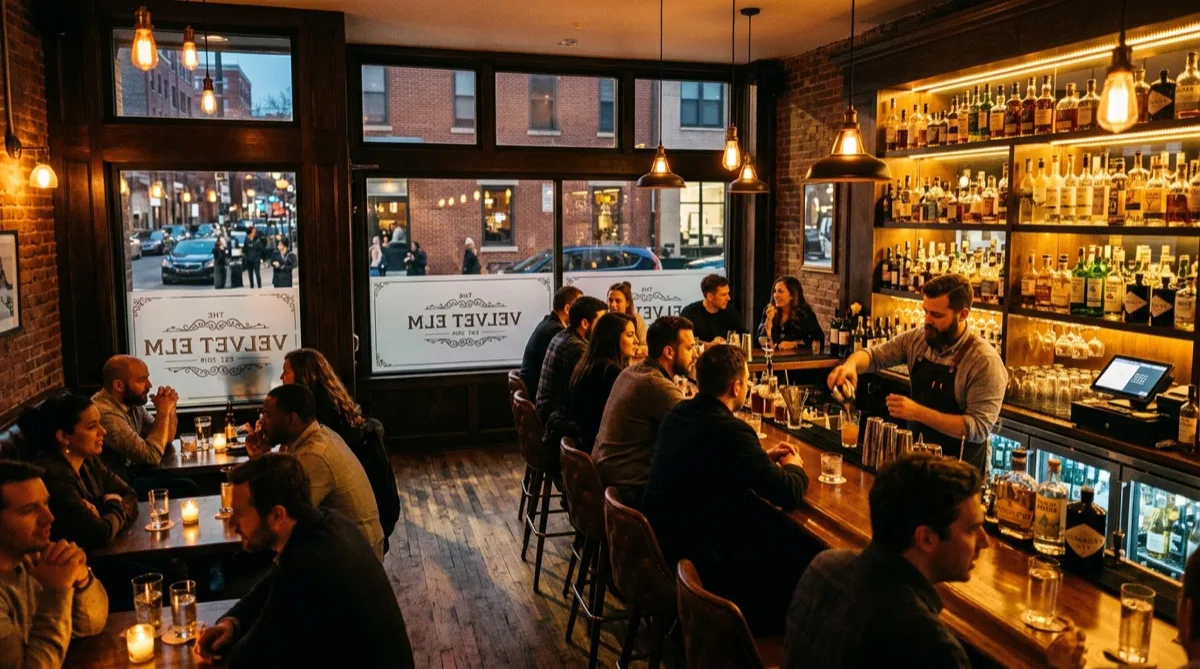
Bars & Lounges
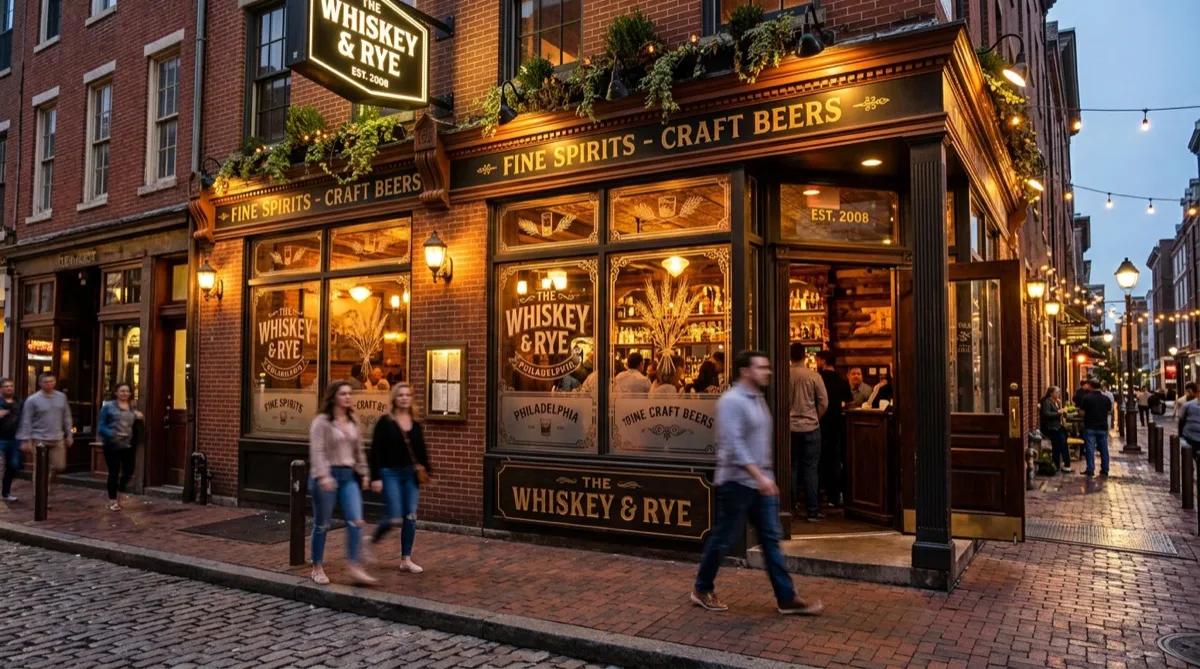
Cocktail bars, wine bars, late-night venues — frosted lower panels for street privacy, security film for high-value glass installations.
Why do Philadelphia restaurants rely on window film?
Glare, energy costs, ambiance, UV fading — four restaurant-specific problems tackled in a single professional installation. No window replacement, no renovation, no service disruption.
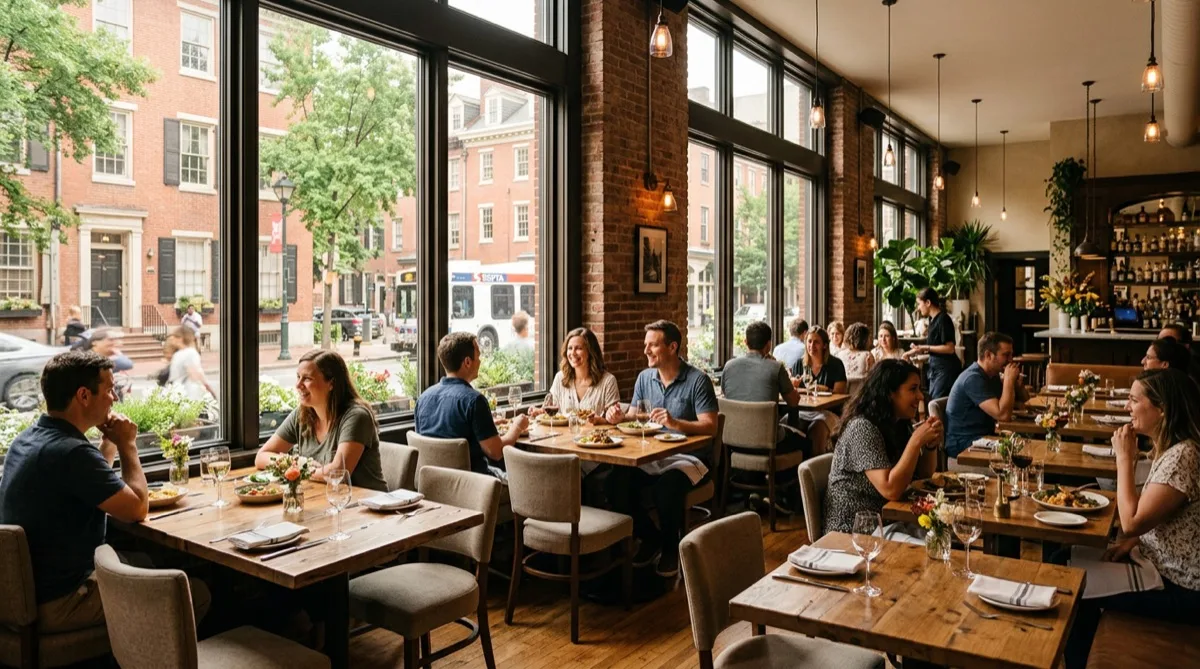
Stop Losing Tables to Sunset Glare
West-facing windows during 5–8pm service are the #1 complaint driver in Philadelphia restaurants. Guests squint, request table changes, and the host team starts pre-routing parties away from perfectly good booths. 3M Prestige 70 blocks 70%+ of glare while transmitting 70% of visible light — the dining room stays bright; the harsh edge that drives guests away is gone. Color Rendering Index stays above 90 so plate presentation looks completely natural.
According to OSHA ergonomic guidelines, excessive glare is a recognized health hazard — and for restaurants, it's also a direct revenue hazard. Glare reduction window film solves both.
- Eliminates "can I move?" requests during dinner service
- High-VLT film keeps dining room bright and airy — no cave effect
- Works on all orientations — west, south, and east morning glare
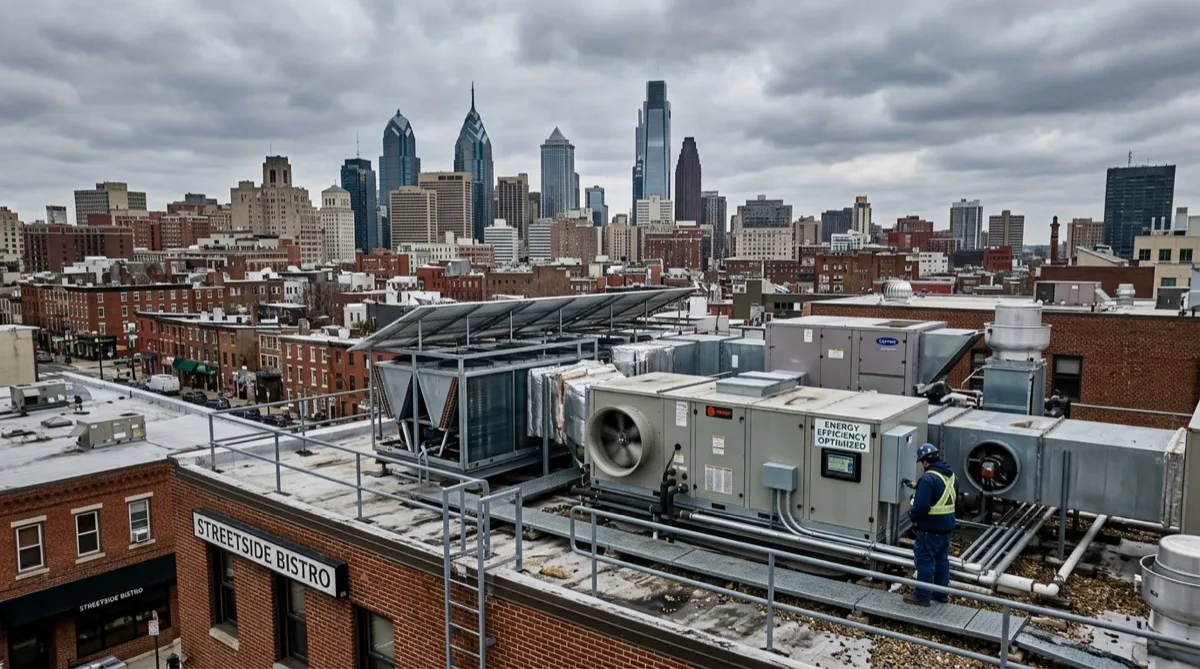
Cut Your HVAC Load Without Losing the Light
Restaurants rank among the most energy-intensive commercial building types in the country, according to the U.S. Energy Information Administration. Solar film cuts up to 79% of solar heat gain through glass — directly reducing the cooling load on dining rooms exposed to direct sun. For open kitchen layouts where heat and glass exposure compound, the impact on comfort and operating costs is significant.
Philadelphia's summer heat index amplifies solar gain through south- and west-facing glass. Learn more about energy savings for commercial window film installations — year-round benefit: Low-E films also add winter insulation for restaurants in historic buildings with original single-pane windows.
- Up to 79% solar heat rejection through treated glass
- Year-round benefit — Low-E films add winter insulation
- Savings factors: window orientation, glass area, existing HVAC capacity
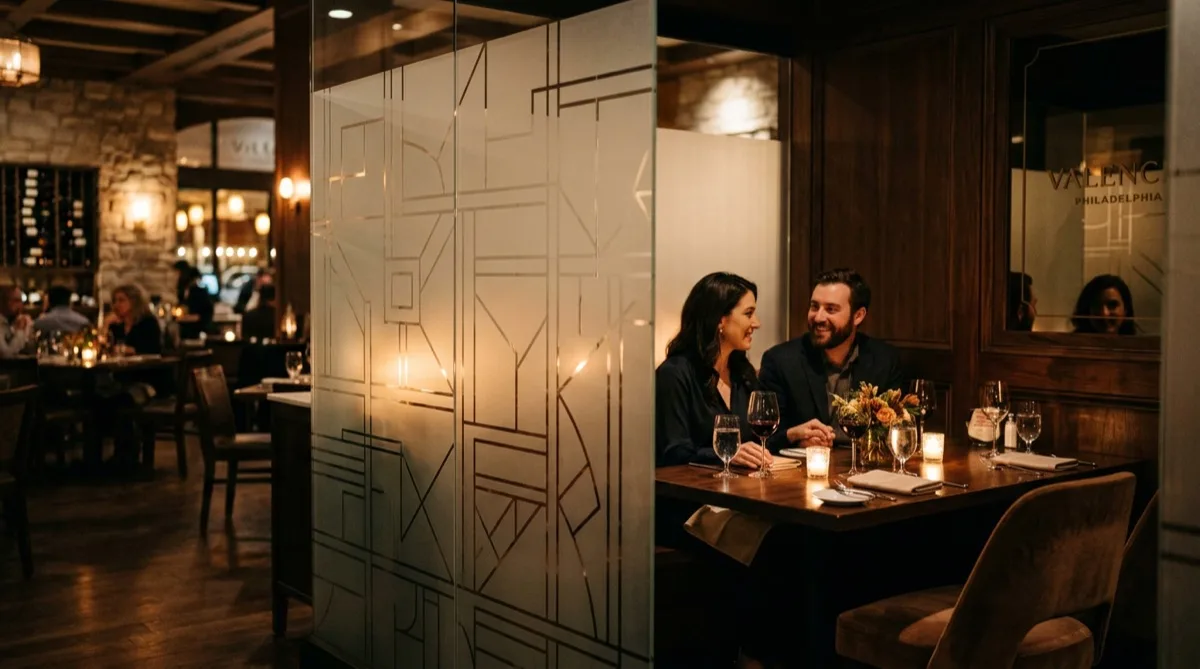
Set the Mood with Decorative Window Film
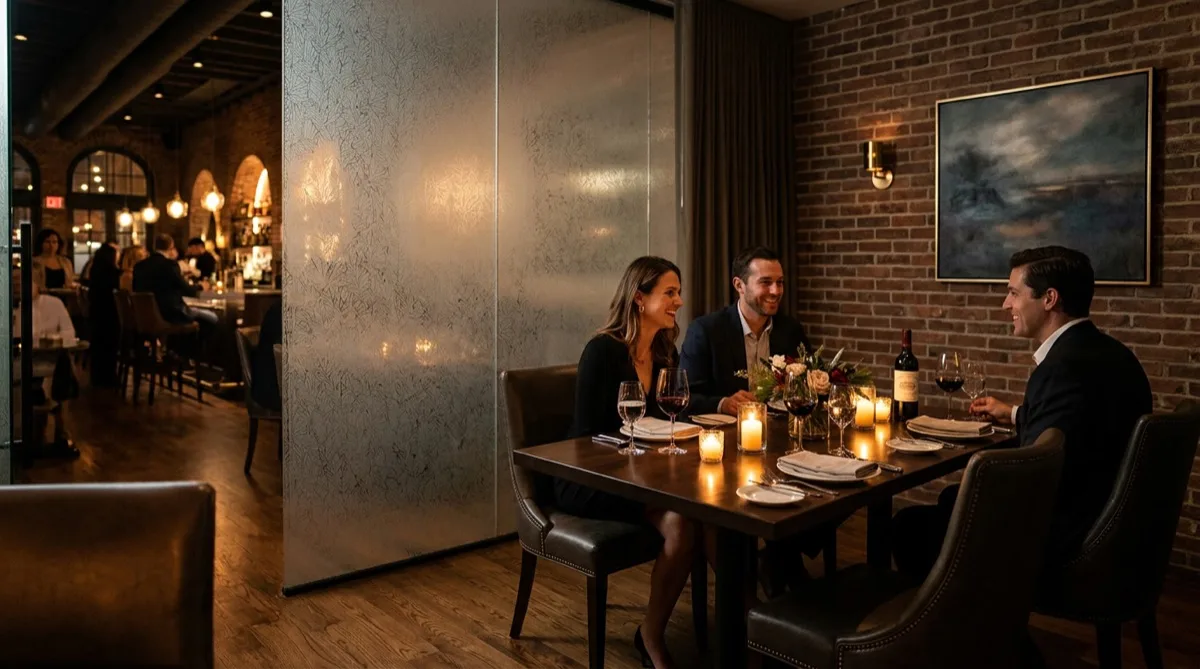
3M Fasara decorative films transform ordinary glass into a design asset. Private dining partitions, host stand glass, wine room dividers, and branded front windows all become opportunities to define your restaurant's aesthetic. Frosted lower panels create street-level privacy without blocking the upper natural light that makes dining rooms feel open and welcoming — a technique popular in Rittenhouse Square and Old City dining districts.
Decorative window film comes in hundreds of patterns — frost, linen, geometric, and custom printed — and removes cleanly when you redecorate or rebrand. No glass modification, no structural changes, no lease violations.
- Hundreds of patterns — frost, linen, geometric, custom printed
- Dual-zone: frosted base + clear upper for privacy + light
- Removes cleanly when you redecorate or rebrand
Keep Your Storefront Glass Pristine
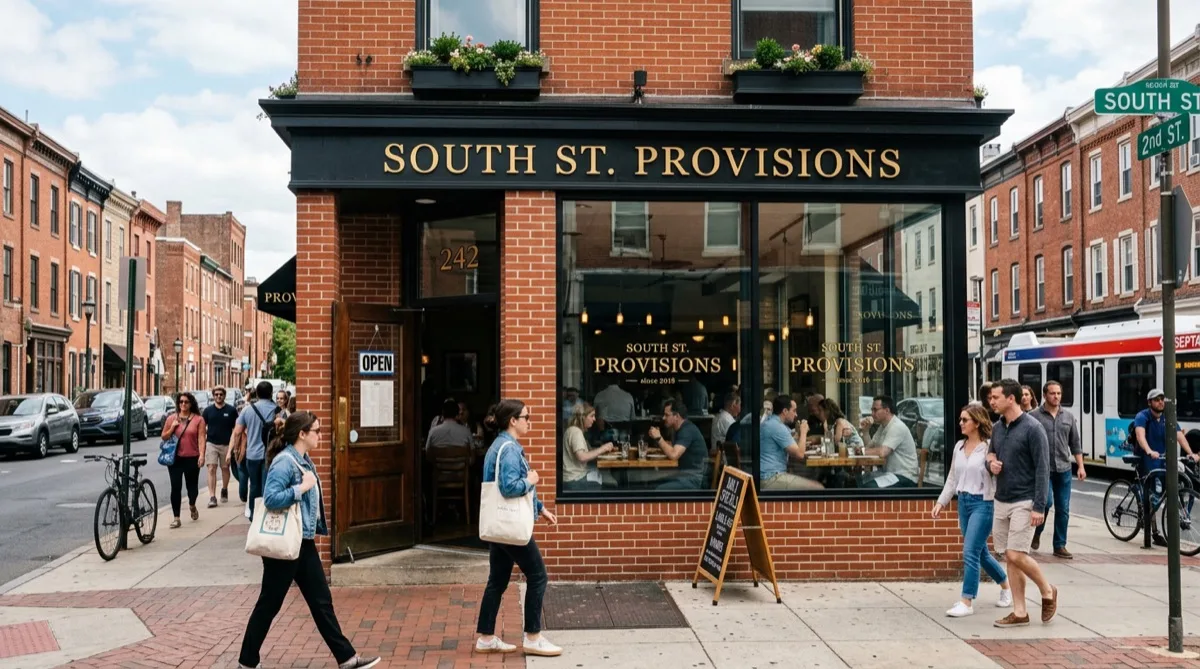
Street-level surfaces in Philadelphia restaurants take a beating — glass storefronts on South Street and Frankford Avenue, stainless steel bar fronts, decorative mirrors, even restroom fixtures. A single tagging or etching incident means costly restoration or replacement. Sacrificial anti-graffiti film bonds directly to glass, metal, and mirror surfaces as a removable protective layer.
When vandalism happens, we peel the film and replace it — not the surface underneath. The swap is fast, low-cost, and leaves everything looking new. For restaurants where tagging is a recurring issue, the film pays for itself after a single incident prevented.
- Protects glass, metal, and mirrors — not just windows
- Peel and replace the film — not the surface underneath
- Optically clear on glass — no change to storefront appearance
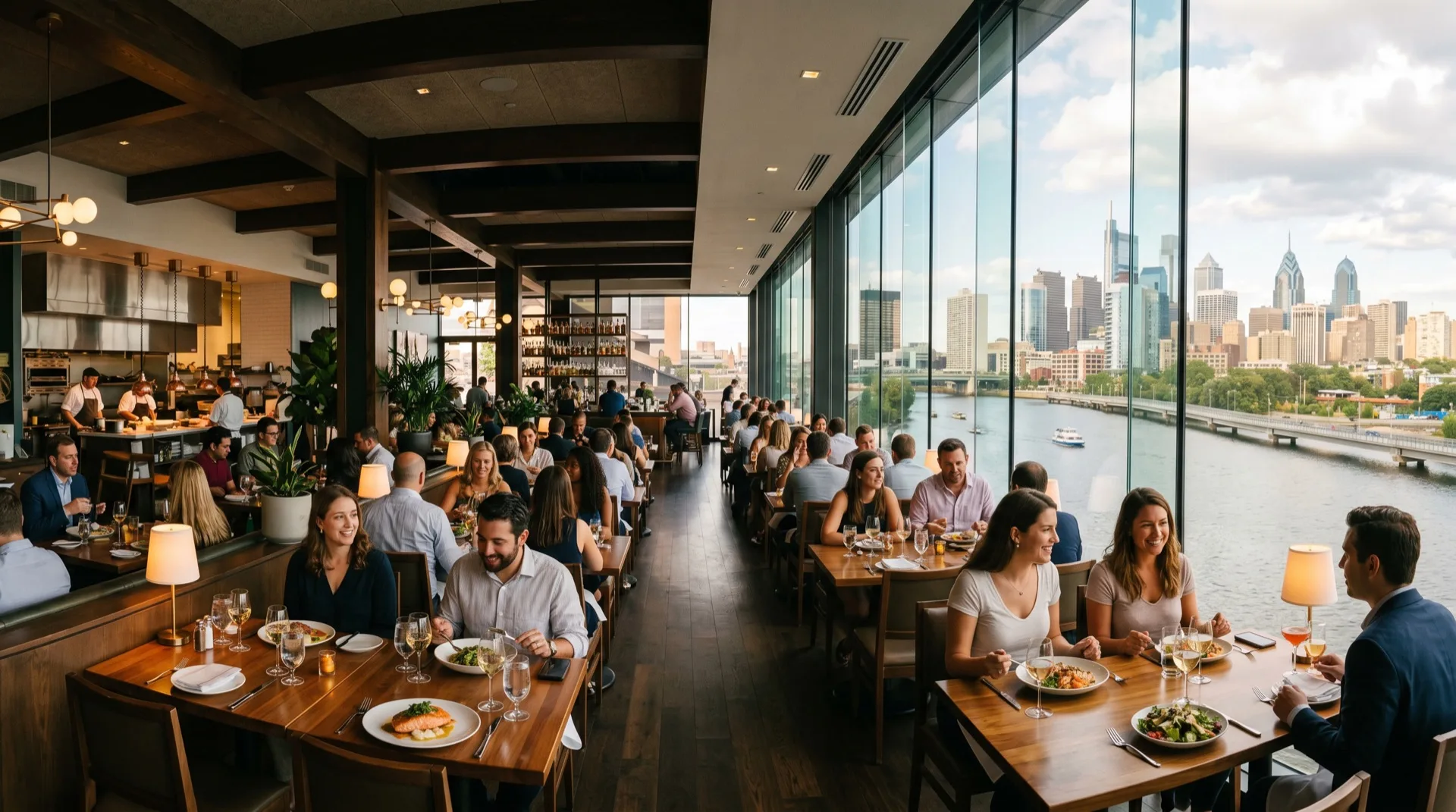
Solar Control Film. Stop the Glare. Keep the View.
The most-requested restaurant window film in Philadelphia. Solar control film blocks incoming solar heat and glare before it enters the dining room — keeping west-facing booths occupied during sunset service, reducing HVAC load, and cutting energy costs. Available in high-VLT and spectrally selective finishes across 3M Prestige and Vista series.
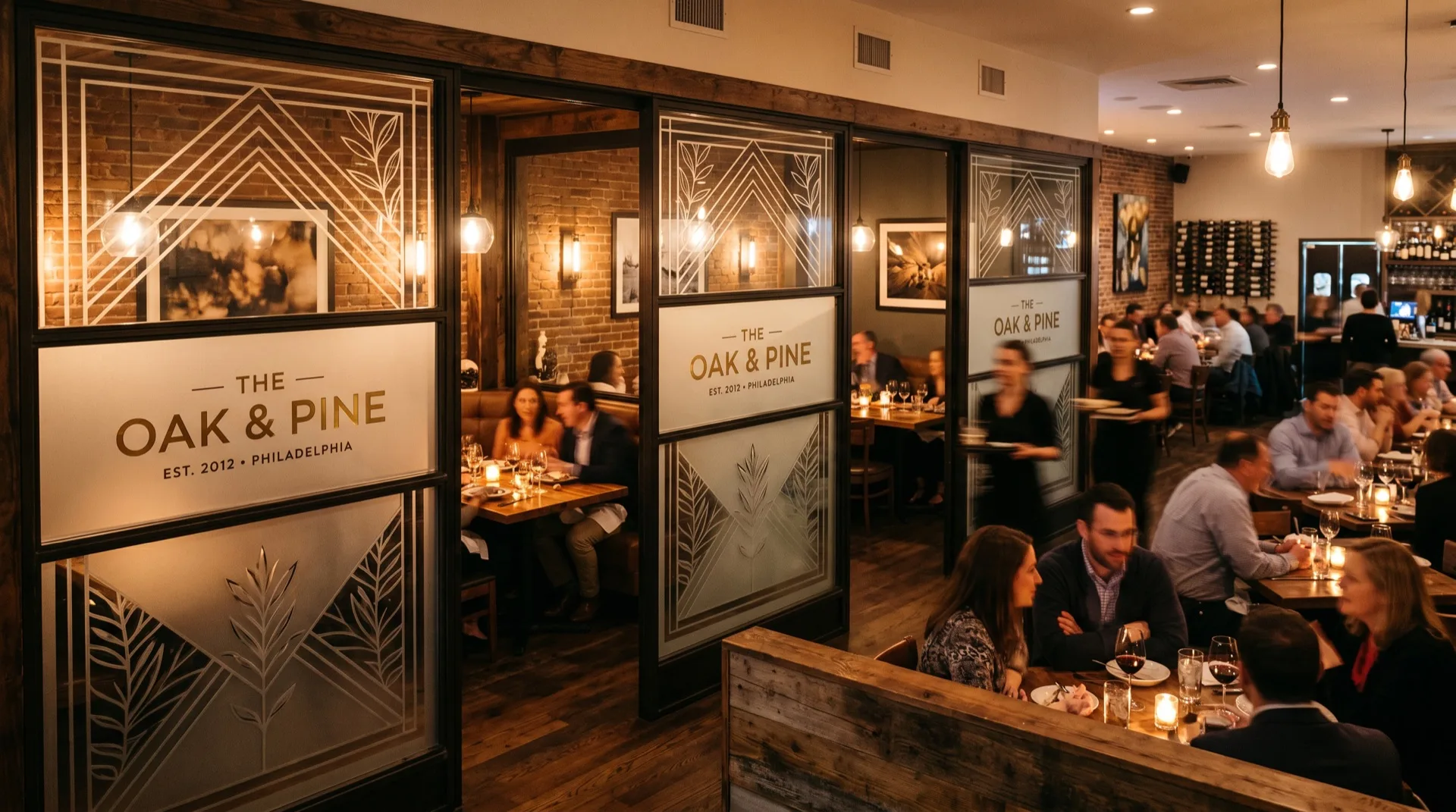
Decorative & Privacy Film. Design Meets Function.
3M Fasara decorative films transform restaurant glass into a design asset. Private dining partitions, frosted lower panels, branded storefronts, and wine room dividers — all without structural changes. Hundreds of patterns, custom printing available, and removes cleanly when you redecorate or rebrand.
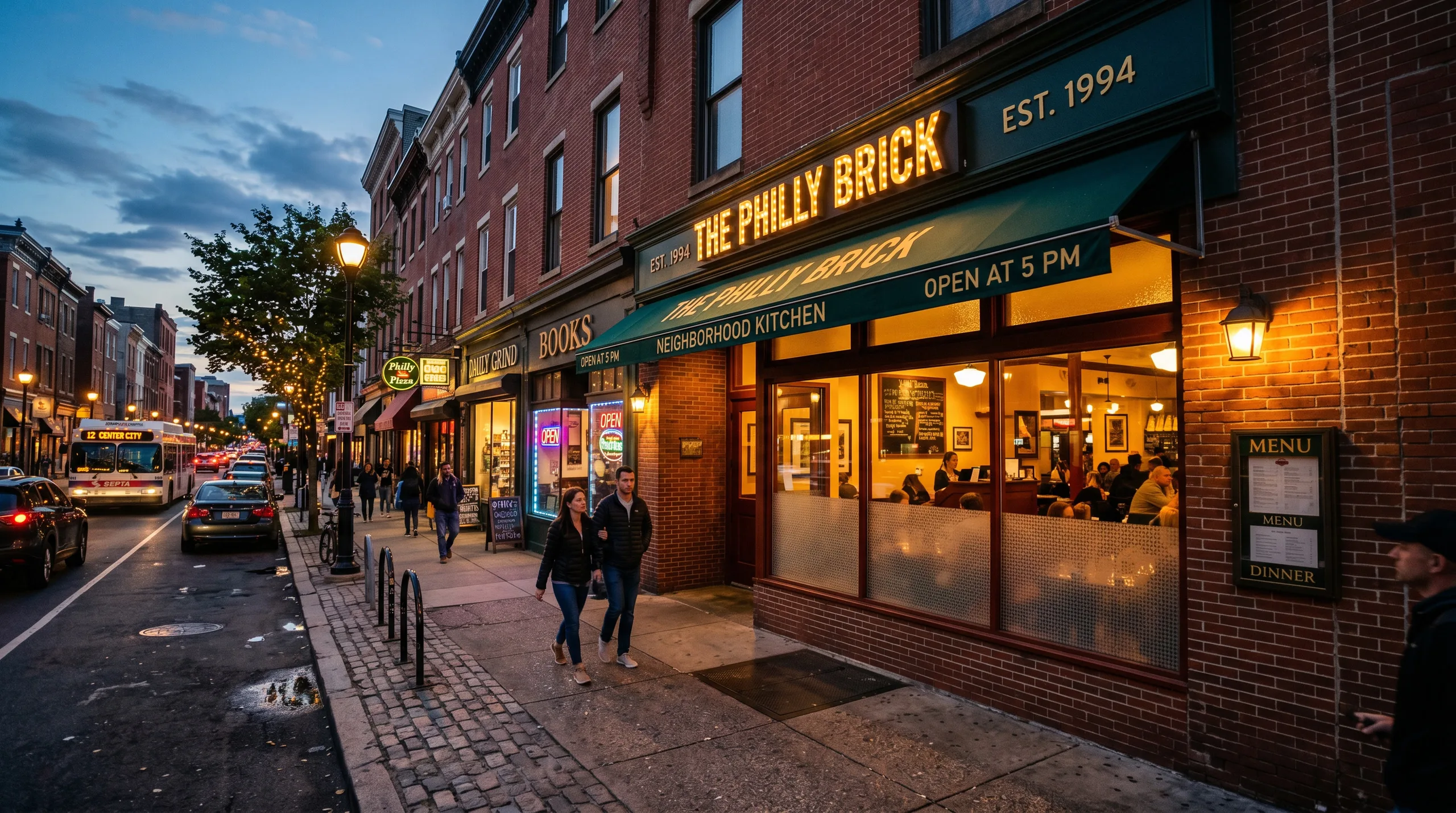
Safety & Security Film. Glass Stays. Risk Doesn't.
3M Scotchshield Ultra safety film holds glass shards in place if breakage occurs — protecting diners and staff from flying fragments during accidents, severe weather, or forced entry. Clear and invisible once installed. Essential for street-level bars, wine displays, and POS areas near restaurant entrances.
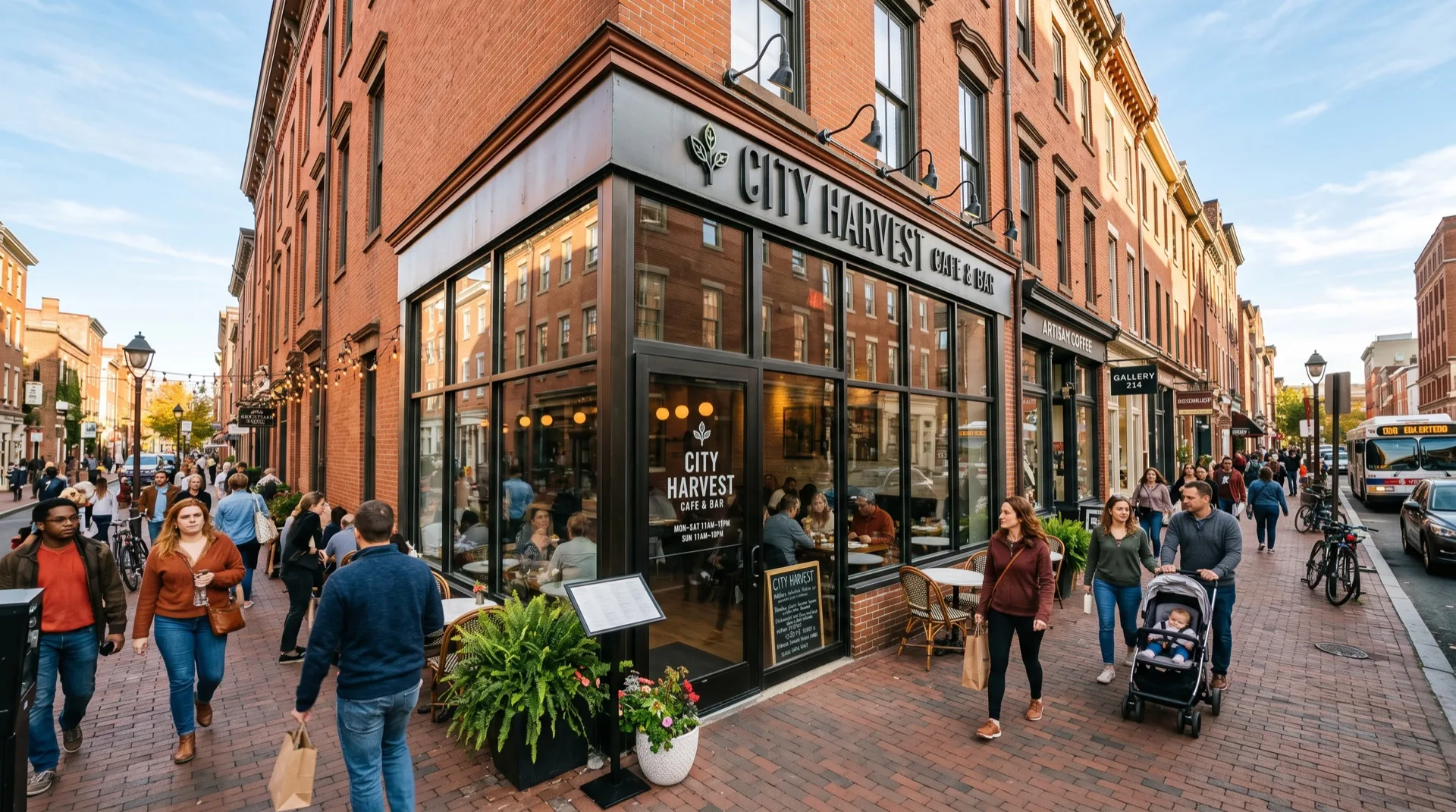
Anti-Graffiti Film. Protect. Peel. Replace.
Sacrificial anti-graffiti film acts as a removable protective layer on street-level restaurant glass. If someone tags your windows, peel and replace the film — no acid-washing, no costly glass replacement. Your windows look new every time. Particularly relevant on South Street, Frankford Avenue, and 9th Street corridors.
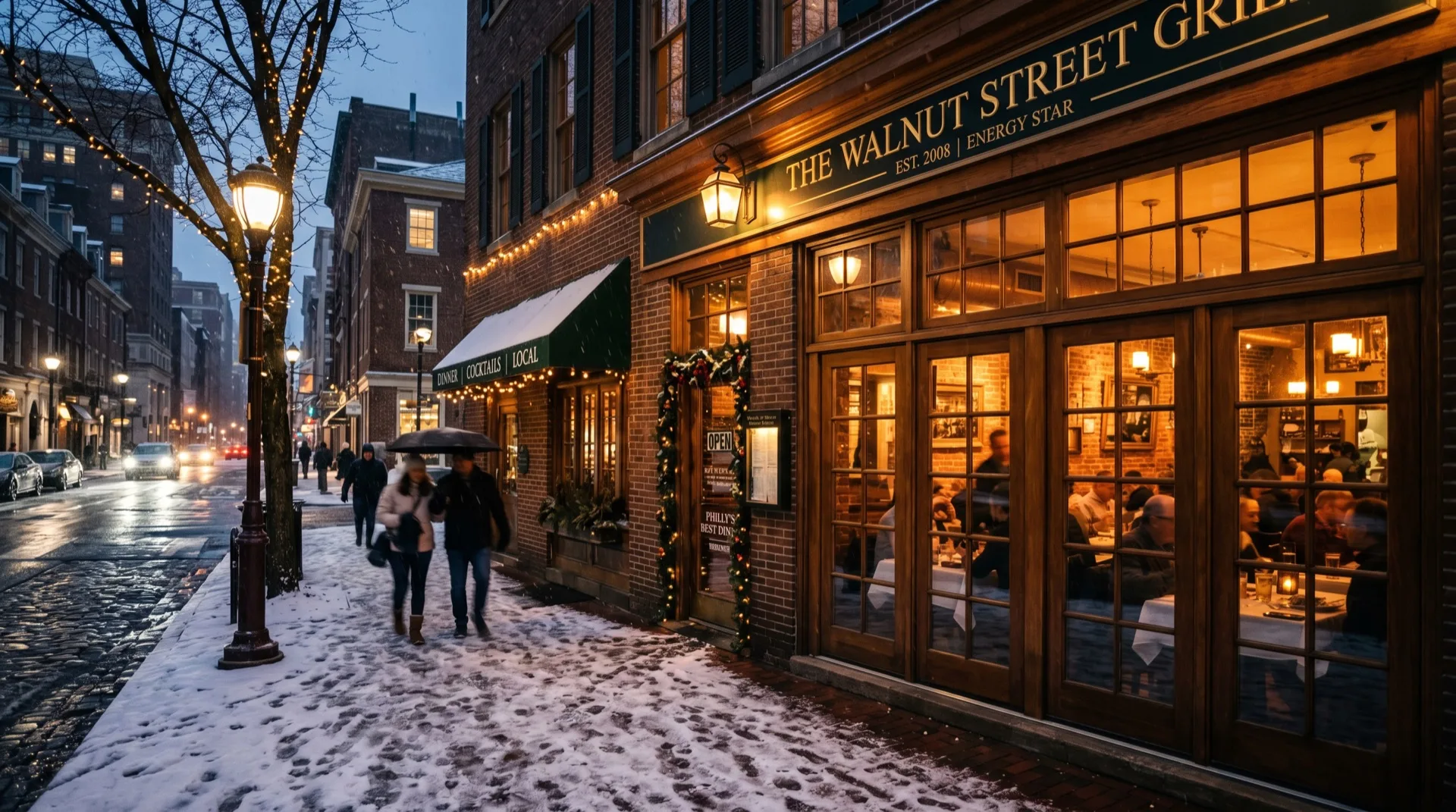
Low-E Climate Control Film. Warm in Winter. Cool in Summer.
Low-emissivity window film works year-round: in summer it rejects solar heat gain; in winter it reflects interior warmth back into the dining room. The 3M Thinsulate CC75 is especially effective for Philadelphia restaurants in historic buildings with original single-pane windows — improving thermal performance without window replacement.
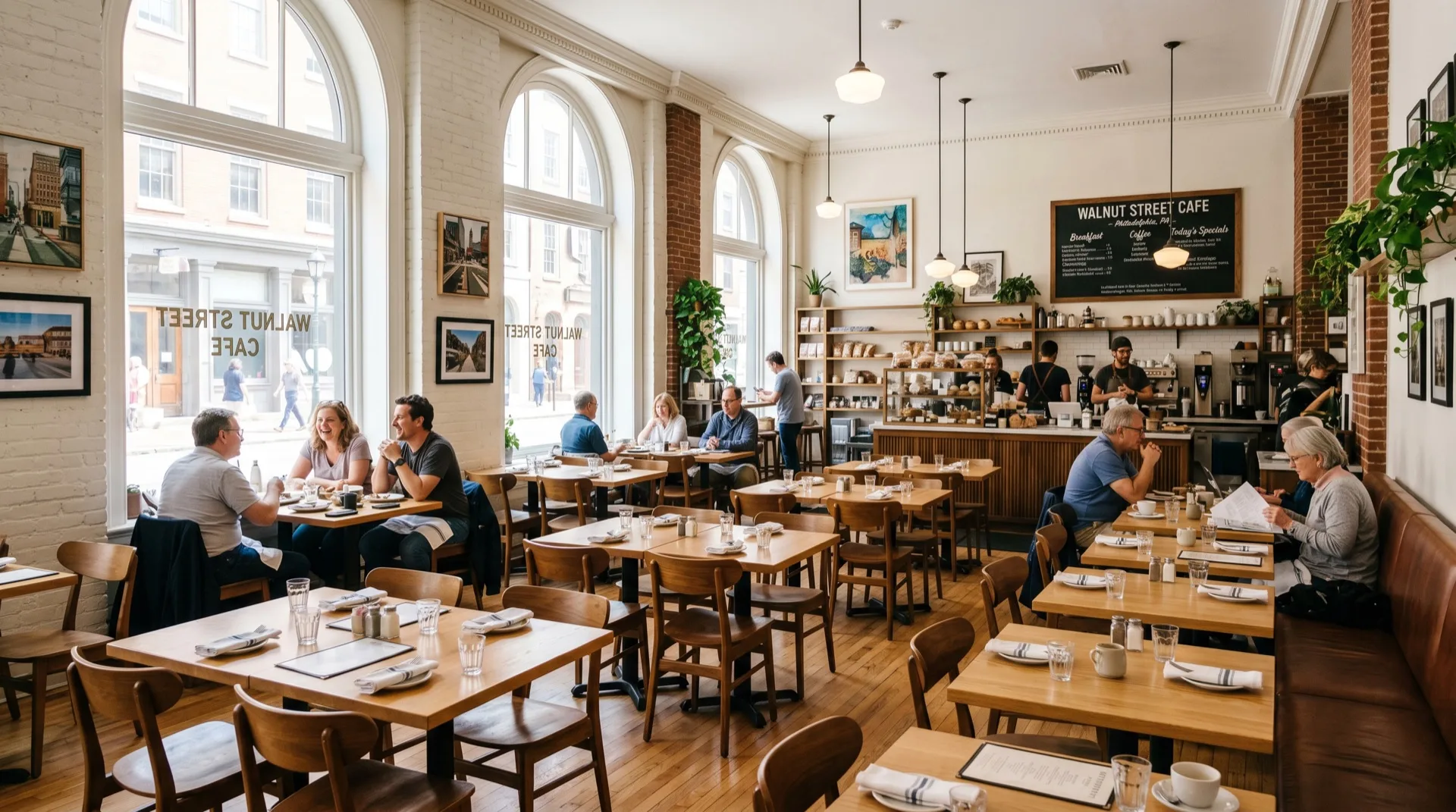
Daylight Redirecting Film. Soft Light. No Harsh Shafts.
3M Daylight Redirecting Film redirects direct sunlight up toward the ceiling, distributing it as soft diffused light across the entire dining room. No harsh shafts cutting across tables, no dark spots, no need for artificial lighting at midday. Popular in breakfast and brunch venues and cafes that depend on a welcoming morning atmosphere.
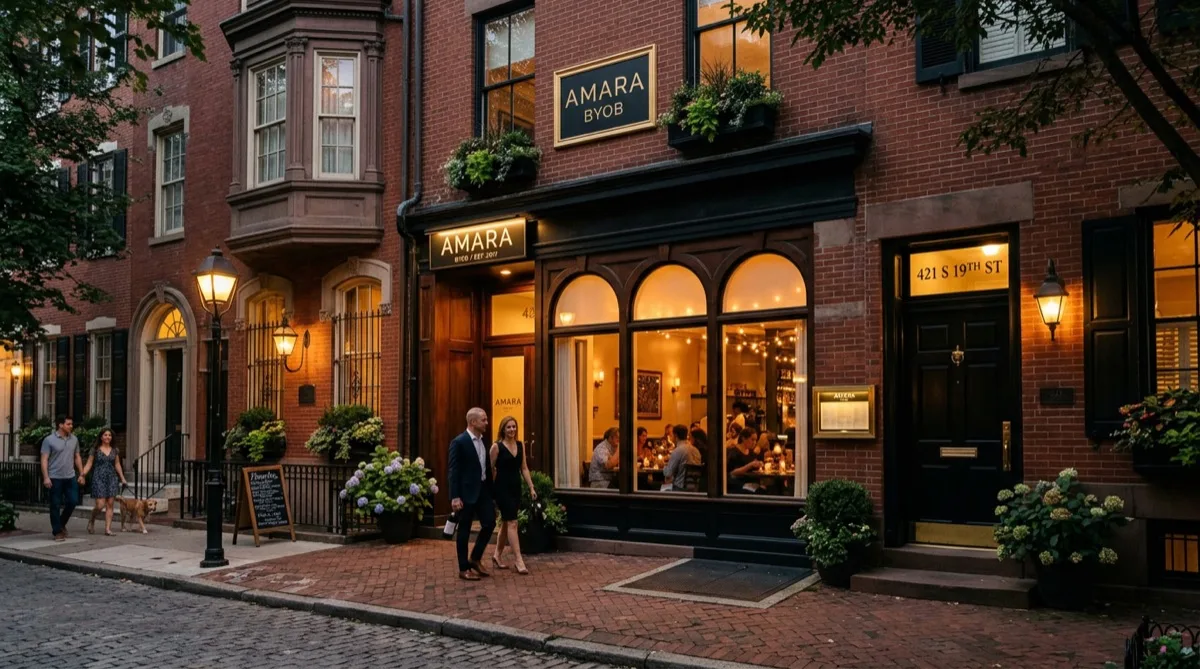
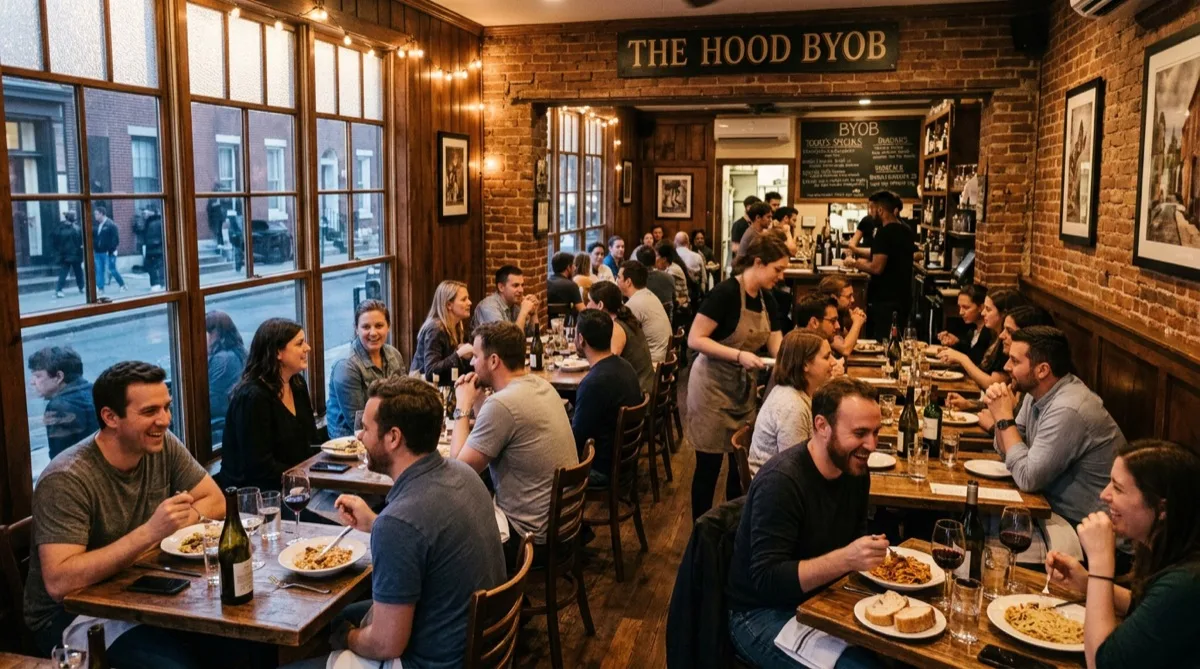
Rittenhouse Square BYOB.
West-Facing Sunset Problem Solved.
Supporting documentation: 3M Prestige series spec sheet and Markthal food market case study PDF available below.
Discuss your restaurant →Restaurant Window Film Work
Restaurant Window Film
Installed Across Philadelphia
From Rittenhouse Square fine dining to Fishtown cafes — every installation is scoped, specified, and executed by our certified Philadelphia team.
3M Prestige 70 — dinner service hours
3M Prestige Series (NFRC)
Through treated glass (DOE)
Philadelphia restaurant clients
From First Call to Finished Installation
01 Site Assessment +
We visit your restaurant and assess window orientation, dining traffic patterns, and ambiance goals to recommend the right restaurant window film for Philadelphia dining spaces. We measure glass area, identify exposure challenges (west sunset, south midday, east morning), and bring physical film samples so you can see exactly how each option looks on your glass before committing.
02 Scheduling Around Your Hours +
Installation is scheduled outside peak service hours — early morning, late night, or dark days — to avoid any disruption to your dining room or staff. We work around your reservation book, not ours. For larger restaurant spaces, we phase the work to ensure zero interference with service.
03 Clean Installation & Cure +
Our technicians work quietly and efficiently, leaving zero mess. Glass is cleaned, prepped, and inspected before any film is cut. Film takes 24–48 hours to fully cure; dining resumes immediately. We walk every window with you before we consider the job done, and provide written warranty documentation at close.
What Philadelphia Restaurant Owners Say
Real results from dining spaces across Philadelphia.
"The west-facing windows were killing our dinner service. Guests kept asking to move tables. After the film, not a single complaint — and our AC bill dropped noticeably by August."
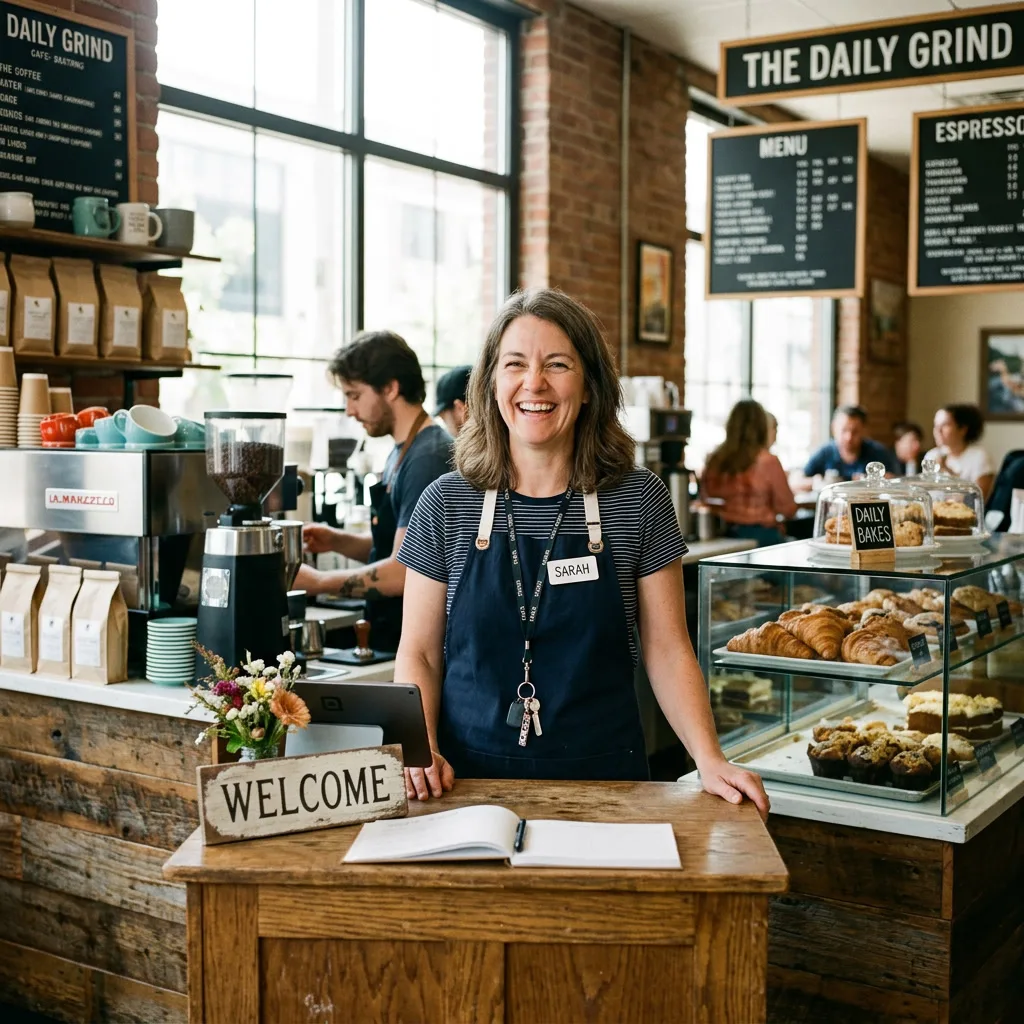
"We did the frosted lower panels and it completely transformed how the space feels from the street. More people come in because they can see we're busy, without feeling on display once they're seated."
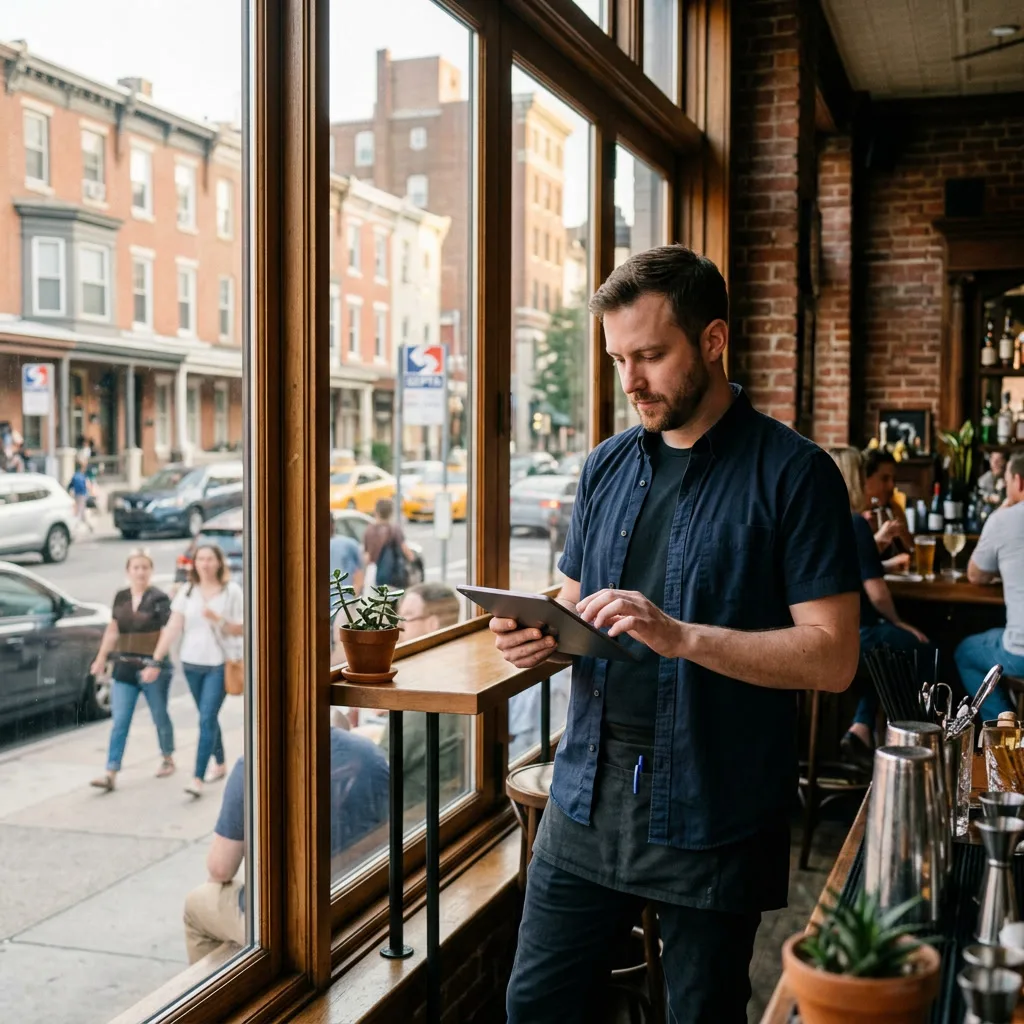
"Three years in and the film on our storefront still looks perfect. No scratches, no peeling. And we haven't had a single graffiti incident since we put the sacrificial layer on the street-level glass."
Restaurant Window Film Across Philadelphia's Dining Neighborhoods
Our installation crews are Philadelphia-based. We serve restaurants, cafes, and bars throughout the city — scheduling around your service hours, not ours.
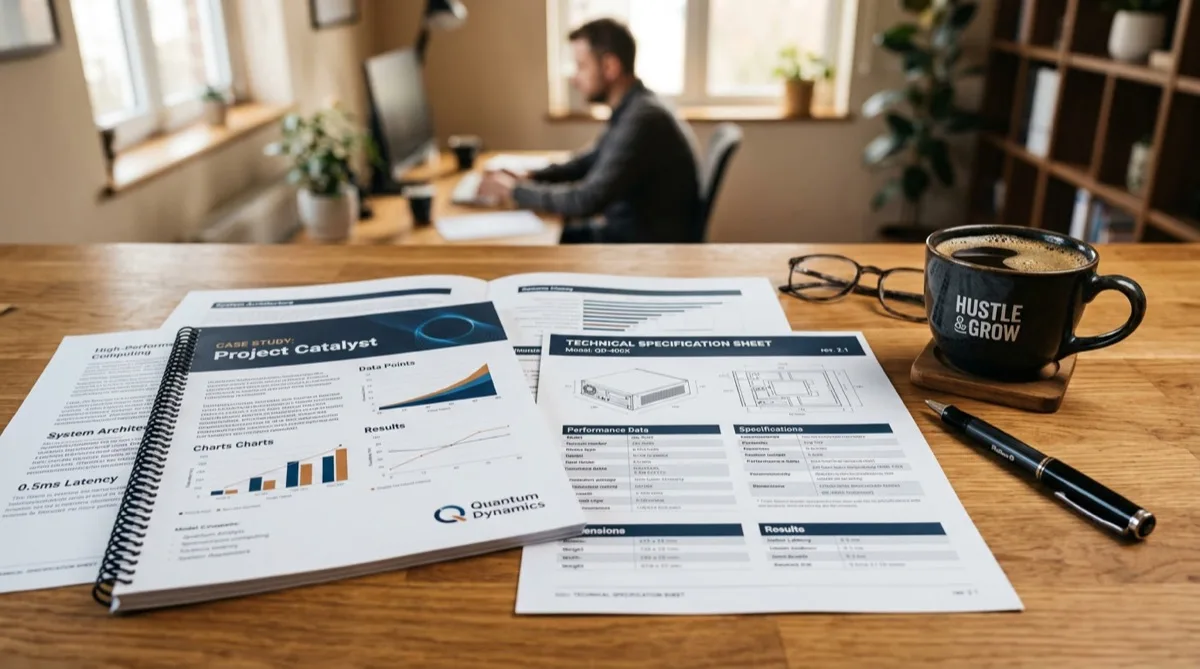
Manufacturer Resources
Restaurant Window Film — Case Studies & Spec Data
Download official case studies and technical data sheets from 3M. These documents contain verified performance data, energy savings measurements, and product specifications for the commercial films we install in Philadelphia restaurants.
- 3M Case Study — Markthal Food Market (window film in a major food market venue)
- 3M Energy Efficiency Brochure — Commercial Window Film Energy Savings Data
- 3M Prestige 70 Spec Sheet — Solar Control Film (SHGC, VLT, UV rejection data)
- 3M Fasara Decorative Film Guide — Product Overview for Restaurant Applications
- LLumar Anti-Graffiti Window Film — Architectural Guide Specification (CSI 08 87 26)
- Solar Gard Graffitigard — Anti-Graffiti Window Film Data Sheet
Restaurant Window Film FAQ
Honest answers about restaurant window film in Philadelphia from specialists with experience across the city's dining neighborhoods.
Talk to a SpecialistRestaurant window film for Philadelphia is a professionally applied polyester film that bonds directly to existing glass. It blocks solar heat, glare, and UV radiation while allowing natural light to pass through — improving comfort for diners, protecting furnishings, and reducing energy costs without altering the appearance of your space.
Window film works by selectively filtering the solar spectrum — blocking the infrared (heat) and ultraviolet (UV) wavelengths while transmitting visible light. High-VLT solar control films like 3M Prestige 70 reduce glare by 70%+ while still transmitting 70% of visible light, so the dining room stays bright without the harsh squinting effect from direct sun.
The visual change depends on the film type. Clear safety and high-VLT solar control films are nearly invisible from outside. High-VLT solar films have a very subtle tint. Decorative films (like frosted Fasara) are visible by design. We choose film that fits your aesthetic goals — we'll show you exterior samples before any work begins.
Window film can reduce solar heat gain through glass by up to 79%, which directly cuts the cooling load on your HVAC system. Restaurants rank among the most energy-intensive commercial building types, and glass-exposed dining rooms are a significant contributor. The actual reduction in your energy bills depends on your window area, orientation, and existing HVAC setup.
3M Fasara decorative films are available in hundreds of patterns — from subtle frosted linen to bold geometric designs. Common restaurant applications include: frosted lower panels for street-level privacy, private dining room partitions, wine room glass, host stand dividers, and custom-cut branded films with logos or patterns. All apply without structural changes and remove cleanly.
Yes. Window film is a passive product — once installed and cured, it doesn't off-gas, shed particles, or interact with food service environments. Film is applied to glass surfaces in dining areas, private rooms, and storefronts, not in food preparation zones. The curing process takes 24–48 hours during which dining can continue normally.
Quality commercial window film typically lasts 10–15 years under normal restaurant conditions. Longevity depends on the film type, sun exposure, and cleaning practices. We recommend non-abrasive cleaning products and soft cloths; harsh chemicals or abrasive scrubbers can degrade the film coating over time. All installations come with manufacturer warranty documentation.
Window film may qualify for energy efficiency improvements under federal and state programs, depending on the type of film, your building's classification, and the current program year. We recommend consulting with your accountant or energy advisor about potential incentives. We provide installation documentation and product specifications to support any applicable claims.
In most cases, no permit is required — window film is a removable surface treatment applied to the interior of existing glass, not a structural or exterior alteration. However, restaurants located in Philadelphia's historic districts (Old City, Society Hill, Rittenhouse Square) should confirm with the Philadelphia Historical Commission whether any exterior-visible film changes require a Certificate of Appropriateness. We can advise on film selections that are unlikely to trigger review.
Contact us for a free on-site consultation. We'll assess your restaurant's window orientation, dining room layout, foot traffic patterns, and ambiance goals — then recommend the right film types and coverage for your specific space. We schedule installation around your service hours to avoid disrupting your dining room.
Ready to Upgrade Your Philadelphia Restaurant?
Stop losing tables to glare. Protect your investment in furnishings and ambiance. Schedule a free on-site assessment — we work around your service hours.