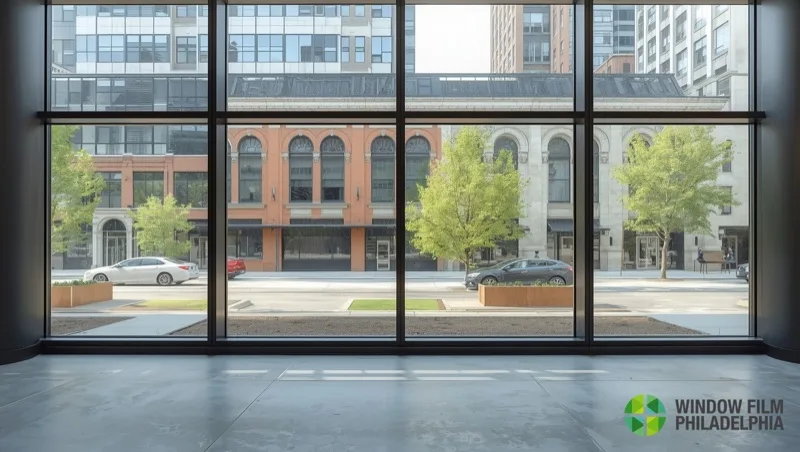
Philadelphia homeowners usually start looking at window film when one room feels impossible to regulate. The front parlor gets blasted in the afternoon, the second-floor bedroom stays bright and hot after sunset, or the living room furniture near the windows starts to fade faster than everything else. Residential window film Philadelphia property owners install most often is not about making the house darker. It is about making existing glass work better in real rowhome conditions.
That matters in neighborhoods like Fishtown, South Philly, Manayunk, and Old City, where homes often have large street-facing windows, older frames, and limited shade from neighboring buildings. In many cases, replacing the glass is expensive, disruptive, or a poor fit for the character of the property. Residential window film Philadelphia homeowners choose can improve comfort, reduce solar heat, and protect interiors while keeping the original look of the home intact.
Why does residential window film work well in Philadelphia?
Philadelphia has the kind of climate that exposes every weakness in a window. Summers are hot and humid, west-facing glass can turn a room into an oven by late afternoon, and winter drafts make older windows feel like a weak spot even when the rest of the house is in decent shape. Residential window film Philadelphia installations help by reducing the amount of solar heat and ultraviolet light that pass through the glass without forcing a full window replacement project.
Performance data is a big reason homeowners take the upgrade seriously. Select 3M Prestige residential films can reject up to 97% of infrared light while blocking up to 99.9% of UV rays. LLumar and Vista residential solar films can also block more than 99% of UV rays, and some series reject up to roughly 79% of total solar energy depending on the product and the glass already in place. Those numbers matter in a Philadelphia rowhome because even one sun-heavy bay window can drive up cooling demand and make a room noticeably less comfortable.
For homeowners comparing options, our energy-saving window film and UV-blocking window film solutions are usually the best place to start. Residential window film Philadelphia projects often solve both issues at once: better comfort during summer peaks and better protection for floors, fabrics, artwork, and wood trim throughout the year.
The rooms where the difference shows up fastest
The best candidates are usually the rooms where sunlight creates the same problem every day. Before choosing a film, it helps to think about where the discomfort is most obvious and what you want the room to feel like after the upgrade.
- Street-facing living rooms where glare washes out the TV and overheats the seating area by midafternoon
- Bedrooms on upper floors that stay bright and warm long after the rest of the house cools down
- Home offices where screen visibility drops when sunlight hits the desk at the wrong angle
- Kitchens and breakfast nooks with direct morning or late-day sun
- Sunrooms, enclosed porches, and rear additions that collect heat faster than the main house
In a narrow Philadelphia footprint, one difficult room can affect how the whole home feels. Residential window film Philadelphia homeowners install in just a few exposed spaces often makes the house feel more balanced without changing blinds, curtains, or the amount of daylight coming in.
Older windows do not always need to be replaced first
A lot of local homeowners assume uncomfortable windows automatically mean replacement windows. Sometimes that is true, especially if frames are rotting or seals have already failed. But many Philadelphia homes still have serviceable glass and frames. What they lack is solar control.
That is why residential window film Philadelphia homeowners use so often becomes the middle path between doing nothing and launching a full renovation. Film is applied to the existing glass, which means the project moves far faster than a replacement job and usually avoids the trim work, dust, and disruption that come with removing window units. For houses near Society Hill, Washington Square, or other preservation-sensitive blocks, that lighter-touch approach can be especially appealing.
Historic context matters here. The National Park Service’s guidance on preserving historic wooden windows reinforces the value of improving and maintaining original window systems when possible rather than replacing them unnecessarily. Residential window film Philadelphia homeowners add to older windows can support comfort and UV control while preserving the character that makes historic rowhomes attractive in the first place.
Matching the film to the problem matters
The right film depends on what is actually bothering you. Some homes need better heat control on a rear exposure. Others need glare reduction in a bright office or fade protection in a room with hardwood floors and upholstery that get constant sun. Residential window film Philadelphia projects work best when the film is selected for the room instead of treated like a one-size-fits-all product.
If summer heat is the main issue, clear or lightly tinted solar-control films usually make the most sense. If fading is the bigger concern, UV-focused products may be enough. If the goal is a broader residential upgrade plan, our homes and condos service page shows how homeowners combine comfort, privacy, and decorative solutions across different rooms in the same property.
This is also where a local evaluation helps. A South Philly rowhome with direct western exposure has different needs than a condo near Rittenhouse Square or a detached home near Fairmount Park with mature tree cover. Residential window film Philadelphia homeowners feel happiest with is usually the product that fits their orientation, glass type, and daily routines, not just the darkest film in the sample book.
What installation is usually like in a rowhome
Most homeowners are surprised by how little disruption is involved. Residential window film Philadelphia installations are typically measured first, then completed in a half day or full day depending on the number of windows and how easy they are to access. There is no demolition, no framing work, and no reason to upend the whole house.
The main prep is simple: clear the area around the glass, flag any damaged panes or brittle glazing, and make sure the installer can move efficiently through the space. If you want a closer look at scheduling and prep, our window film process page explains what happens from measurement through final walkthrough.
Once the film cures, the result should feel subtle. The room still looks like itself, but it feels calmer, less glaring, and easier to cool. That is a big deal during Philadelphia summers, especially in upper floors and front rooms that get punished by long stretches of direct sun.
A smarter upgrade for everyday comfort
Residential window film Philadelphia homeowners choose is often the practical answer when they want better comfort without committing to full replacement windows. It can reduce heat, cut glare, block UV, and help older rowhomes feel more livable while keeping the architecture people love.
If your home has one room that never feels right or a whole side of the house that takes too much sun, Window Film Philadelphia can help you sort out the options. We work with homeowners across Center City, Fishtown, Manayunk, South Philly, and Old City to recommend the right 3M, LLumar, Vista, or Solyx solution for the glass you already have. Reach out for a consultation and quote, and we will help you find a residential window film Philadelphia solution that fits your home instead of forcing your home to fit the product.