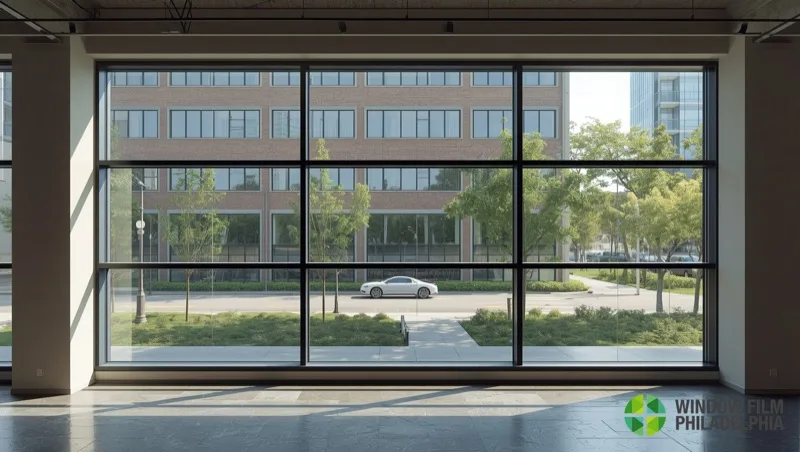
The benefits of window tint in Philadelphia become obvious fast once summer sun starts leaning on west-facing glass. In rowhomes near Fishtown, condos overlooking Center City, and offices around University City, untreated windows can turn one side of a room into the spot nobody wants to sit in. A well-matched film changes that without the cost and disruption of full window replacement.
For Philadelphia property owners, the real value is not just darker glass. The best films are built to manage solar heat, cut glare, block ultraviolet light, and improve day-to-day comfort while preserving the character of older buildings. That matters in a city full of historic facades, mixed-use storefronts, and large street-facing windows.
Can window film lower solar heat gain on sun-exposed glass?
One of the biggest benefits of window tint in Philadelphia is lower heat gain through the glass you cannot shade effectively. South-facing and west-facing windows in South Philly, Manayunk, and Old City often get hit hardest in the afternoon, especially in rooms with long stretches of exposed glass.
Modern solar-control film helps by filtering the part of sunlight that drives heat buildup indoors. Depending on the series and glass type, Llumar and Vista solar films can reject a large share of total solar energy, while 3M Prestige films are known for rejecting up to 97% of infrared heat. That means rooms warm up more slowly, surface temperatures stay more consistent, and the space feels less punishing by 3:00 p.m.
2. Reduced Cooling Costs During Humid Philadelphia Summers
Comfort matters, but lower HVAC strain is what often turns interest into action. When air conditioning does not have to fight constant solar gain at the windows, it cycles more efficiently and has a better chance of keeping up during sticky July and August weather.
That is why the benefits of window tint in Philadelphia usually show up first in rooms that have been expensive to cool. A conference room with a glass wall near Market Street or a third-floor bedroom in a Fairmount rowhome can feel dramatically different after film is installed. ENERGY STAR’s residential windows guidance is a useful reminder that glazing performance directly affects comfort and energy use, and film is often the most practical way to improve existing glass. If energy performance is the main goal, our energy savings page goes deeper into how different film types affect solar heat gain.
3. UV Protection for Floors, Furniture, and Displays
Another of the most practical benefits of window tint is how much ultraviolet exposure it removes from daily life. Quality architectural films commonly block up to 99.9% of UV rays, which helps protect hardwood floors, rugs, upholstery, merchandise, and artwork from premature fading.
That matters in Philadelphia homes with bright front windows, but it also matters in boutiques, offices, churches, and waiting rooms where sun damage creeps in slowly. If you have ever noticed one faded chair cushion near the window or uneven flooring color in a sunlit room, UV is already doing work. Our UV protection guide explains where that protection makes the biggest difference for both homes and commercial interiors.
4. Less Glare on Screens Without Losing Every Bit of Daylight
People often describe glare as a minor annoyance until it starts affecting work. Then it becomes the reason blinds stay shut all day. In Philadelphia offices, classrooms, and home workspaces, screen glare can make monitors harder to read, increase eye strain, and force people to choose between daylight and visibility.
Film gives you a middle ground. Instead of covering the window entirely, you reduce the harsh brightness that causes squinting and washed-out screens. 3M Prestige films, for example, can reduce glare by up to 60% while still keeping the glass relatively clear. That is especially helpful in corner offices, upper-floor apartments, and sunlit home offices where daylight is welcome right up until it lands directly on the laptop.
5. More Privacy Without Making the Building Feel Closed Off
Not every property owner wants dark reflective glass, and that is part of the point. One of the underrated benefits of window tint in Philadelphia is having options. Some spaces need subtle daytime privacy, some need frosted separation inside the building, and some just need to soften direct sightlines from the sidewalk.
For ground-floor condos near busy SEPTA routes or conference rooms facing a hallway, the right privacy film can preserve light while making the room feel more secure. Decorative options from Solyx and select 3M finishes can also create privacy in a cleaner, more architectural way than curtains or taped-up blinds. The result is a space that still feels open, but not exposed.
6. Better Comfort in Older Rowhomes and Historic Buildings
Philadelphia is full of buildings that are worth preserving but not always easy to keep comfortable. Original wood windows, oversized openings, and older glazing packages can make a beautiful home or commercial space feel uneven throughout the day. Replacing windows outright is not always realistic, especially when budget, disruption, or historic appearance matters.
That is where film shines. The benefits of window tint in Philadelphia are often strongest in older buildings because film upgrades performance without changing the bones of the property. It can help rowhomes in Bella Vista feel less overheated upstairs, keep sun off a dining room in Society Hill, and improve tenant comfort in smaller mixed-use buildings near Girard or Frankford Avenue. If your project is residential, our homes and condos page shows how these upgrades fit real Philadelphia living patterns.
7. Safer Glass Performance When the Right Film Is Selected
This final point depends on product choice, but it still belongs on the list. Some property owners start by asking about tint for comfort and then realize they also need better glass behavior during breakage. Standard solar films are not the same thing as thicker safety and security films, but both are part of the broader window film category.
When matched correctly, security-oriented film systems can help hold shattered glass together longer, reduce flying fragments, and make forced entry more difficult. For schools, storefronts, and busy public-facing spaces, that added layer of protection can matter just as much as heat reduction. It is one more reason the benefits of window tint in Philadelphia should be evaluated by goal instead of by appearance alone.
A Smarter Upgrade for Philadelphia Glass
The benefits of window tint in Philadelphia go well beyond aesthetics. Lower heat gain, better glare control, UV protection, improved privacy, more consistent comfort, and better glass performance all add up to a practical upgrade for homes and commercial buildings across the city.
If you want to see which film makes the most sense for your property, contact us for a consultation. We can review your windows, sun exposure, and priorities, then recommend a film that fits the building instead of giving you a one-size-fits-all answer.