Philadelphia summers are no joke. From late June through September, temperatures regularly push into the 90s, and the relentless sun turns south- and west-facing rooms into saunas by early afternoon. Whether you’re dealing with an overheated living room, a stifling corner office, or rising energy bills, heat reducing window film offers a practical, cost-effective solution that works without replacing your windows.
In this guide, we’ll cover how heat reducing window film works, the types available, what Philly property owners should expect in terms of performance and cost, and why it’s one of the smartest upgrades you can make before the next heat wave rolls in.
How does heat reducing window film work?
Standard glass is a poor barrier against solar heat. Even double-pane windows allow a significant portion of the sun’s infrared radiation to pass through, warming interior surfaces and raising indoor temperatures. Heat reducing window film changes that equation by reflecting or absorbing solar energy before it enters the building.
Most high-performance films work by:
- Reflecting infrared (IR) radiation — the part of sunlight responsible for the heating effect
- Absorbing excess solar energy and slowly re-emitting it outward
- Blocking UV rays (typically 99%) that fade furniture, flooring, and artwork
- Reducing visible light transmission (VLT) just enough to cut glare without making rooms feel dark
The result: rooms stay cooler, air conditioners run less, and comfort improves noticeably — often within days of installation.
Benefits for Philadelphia Homes
Residential window film is one of the most underrated home upgrades available. Here’s what Philadelphia homeowners typically experience:
Significant Energy Savings
Heating and cooling account for nearly half of the average home’s energy use. By reducing solar heat gain in summer, heat reducing window film can lower cooling costs by 20-40%, depending on window orientation, film type, and how well-insulated the rest of the home is. Our energy saving window film page covers the efficiency side in more detail.
Year-Round Comfort
Heat reduction isn’t just a summer benefit. Many films provide light insulating properties in winter as well, helping to retain interior warmth. More critically, they eliminate the hot-spot effect — those patches of radiant heat near large windows that make furniture uncomfortable to sit in and force you to crank the AC even when the rest of the house feels fine.
UV Protection
Philadelphia gets around 2,500 hours of sunshine per year. Over time, that exposure fades hardwood floors, upholstery, artwork, and window treatments. Quality heat reducing films block up to 99% of UV radiation, dramatically slowing interior fading. Learn more on our UV blocking window film page.
Glare Reduction
If you work from home or have a TV positioned near a bright window, glare is a daily frustration. Heat reducing films reduce glare naturally — often cutting it by 50-80% — without requiring you to keep the blinds down all day.
Benefits for Philadelphia Businesses
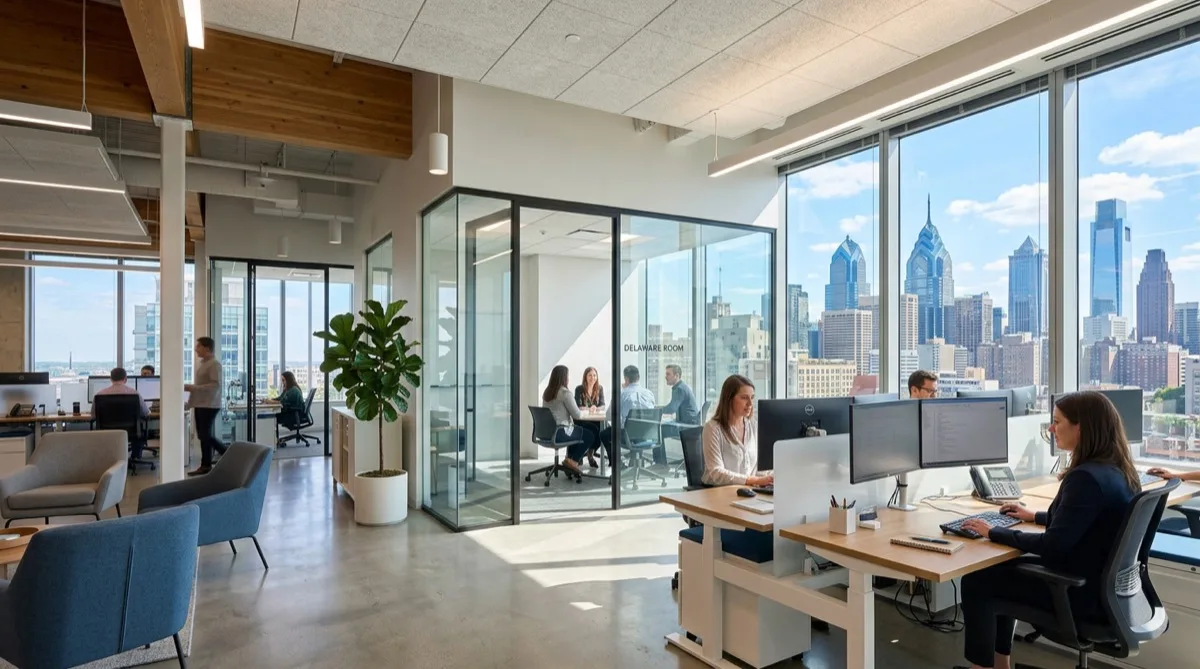
Commercial properties face even greater challenges. Large glass facades look great architecturally but create heat islands in summer, drive up HVAC costs, and make employees and customers uncomfortable. Heat reducing window film addresses all of these issues:
- Reduced HVAC load: Lower peak demand means smaller energy bills and less wear on cooling equipment.
- Improved employee productivity: Studies consistently show that thermal comfort correlates with workplace performance. Eliminating hot zones near windows helps.
- Tenant attraction and retention: For office landlords and retail centers, comfortable, energy-efficient spaces are a genuine competitive advantage.
- LEED and sustainability credits: Window film upgrades can contribute to green building certifications by reducing a building’s energy consumption.
Whether you manage a Center City office tower, a South Philly restaurant, or a storefront along Walnut Street, heat reducing window film can pay for itself in energy savings within a few years.
Types of Heat Reducing Window Film
Not all films are created equal. The right choice depends on your goals, your existing glass, and your aesthetic preferences.
Reflective Films
Reflective (or mirror) films have a metallic coating that bounces solar energy away from the glass. They offer the highest heat rejection rates — often 70-80% of solar heat gain — and work well on commercial facades where a sleek, silver exterior look is acceptable. Interior light levels are reduced more noticeably with these films.
Neutral / Lightly Tinted Films
Neutral films use ceramic or hybrid technology to reject heat without dramatically changing the appearance of the glass. They’re popular for residential installations and for offices where natural light and views are priorities. Heat rejection rates of 40-65% are typical.
Ceramic Films
Ceramic window films are the premium option: no metals, no interference with cell signals or electronic devices, excellent heat rejection, and outstanding clarity. They’re more expensive but perform better over time and look virtually invisible from inside and outside. Many Philadelphia homeowners choose ceramic when they want maximum performance with minimal aesthetic change.
Dual-Reflective Films
Dual-reflective films appear darker on the outside (reducing daytime visibility from the street) while maintaining relatively good visibility from inside. They’re a practical compromise for street-level retail and residential spaces where privacy during the day is a priority.
What to Expect from a Philadelphia Installation
A professional window film installation for a typical Philadelphia row home takes 2-4 hours. Larger commercial projects are scheduled in sections and can be completed without disrupting normal business operations. The film is applied to the interior surface of the glass using a water-based adhesive solution, then carefully squeegeed and trimmed for a seamless fit.
After installation:
- Curing time: Most films take 30-90 days to fully cure, depending on weather conditions. During this period, you may notice slight haze or small bubbles — these disappear as the adhesive sets.
- Cleaning: Wait 30 days before cleaning treated windows. After that, use a soft cloth and a non-ammonia-based cleaner.
- Warranty: Quality films come with manufacturer warranties of 10-15 years or more. Professional installation typically adds a labor warranty as well.
How Much Does Heat Reducing Window Film Cost in Philadelphia?
Pricing depends on film type, the number and size of windows, and the complexity of the installation. As a general guide:
- Residential installations: $6-$15 per square foot installed, depending on film grade
- Commercial projects: $4-$12 per square foot installed (volume discounts apply)
For most Philadelphia row homes with 10-20 windows, a complete installation runs $1,500-$4,000. Given the energy savings — and the fact that window film is far cheaper than window replacement — most projects see a return on investment within 3-6 years.
For commercial buildings, the payback period is often shorter because of higher glass square footage, longer occupancy hours, and bigger HVAC systems that benefit from reduced peak loads.
Why Choose Professional Installation
DIY window films are available at hardware stores, but professional installation makes a meaningful difference. Bubble-free application on large panes requires specialized tools and technique. Professionals also ensure the film is compatible with your existing glass type — a critical consideration, since certain films can cause thermal stress fractures on some glass types if improperly selected.
Explore the full range of commercial and residential window film applications we serve throughout the greater Philadelphia area.
Ready to Beat the Philadelphia Heat?
Heat reducing window film is one of the most practical, high-ROI upgrades available for Philadelphia homes and businesses. It works immediately, requires no structural changes, and pays dividends in comfort and energy savings for years to come.
Contact Window Film Philadelphia today for a free assessment and quote. We’ll evaluate your glass, recommend the right film for your goals and budget, and handle the installation from start to finish — so you can stop fighting the heat and start enjoying your space again.