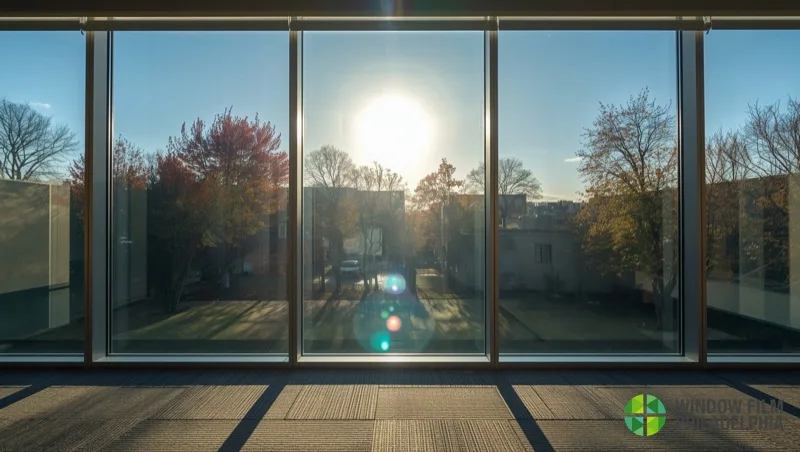
Why does summer heat build fast on Philadelphia glass?
Heat collects at windows long before the rest of the room catches up. In Philadelphia, humid summers, long western exposure, and dense urban surfaces all add pressure to the glass. That is why heat blocking window film Philadelphia property owners ask about most often is not a cosmetic upgrade. It is a comfort upgrade for rooms that feel noticeably hotter by midafternoon.
South-facing condos in Center City, renovated rowhomes in Fishtown, and offices near University City all deal with the same basic issue: sunlight enters through glass, warms surfaces, and creates hot spots that the HVAC system has to chase. In older buildings with historic architecture or large replacement windows, that imbalance can make one room feel comfortable while the next one feels stuffy and bright.
How Heat Blocking Window Film Reduces Indoor Stress
The right film reduces solar energy before it settles into floors, furniture, and interior air. Spectrally selective options are especially useful because they target heat while preserving daylight and outward views. For many Philadelphia projects, that balance matters more than making the glass look dark.
Product performance is where the conversation becomes practical. For example, 3M Prestige Sun Control films are rated to reject up to 97% of infrared light and up to 60% of total solar energy while also blocking 99.9% of UV rays. Those numbers matter because they translate into fewer overheated perimeter seats, less afternoon temperature swing, and less strain on cooling equipment during muggy Pennsylvania weather.
The U.S. Department of Energy’s Weatherization Assistance Program addresses how improving the building envelope — including windows — reduces heating and cooling demand, which is useful background when evaluating film against shades, blinds, or full window replacement.
Where Philadelphia Owners Usually Feel the Difference First
The benefits show up fastest in spaces where sun is already creating a pattern of complaints. Once that pattern is identified, film can be targeted instead of applied blindly across every pane.
- West-facing living rooms in Manayunk and South Philly where couches and floors stay warm into the evening.
- Glass-heavy conference rooms near Market Street where afternoon meetings feel brighter and hotter than the rest of the office.
- Upper-floor bedrooms and nurseries where direct summer sun turns the room uncomfortable before sunset.
- Retail storefronts in Old City where display areas absorb heat and glare from the sidewalk side.
Heat blocking window film Philadelphia building owners choose often solves several issues at once. Along with cooler glass, many spaces also gain better visual comfort, less screen washout, and more even temperatures from one side of the room to the other.
Better Comfort Without Closing Off the Daylight
A lot of owners worry that any heat-control solution will leave their windows dark or reflective. Modern architectural films give much more flexibility than older tint products. Some are nearly invisible from the inside, which is important for homes near Fairmount Park, offices that want a clean facade, and historic properties where appearance still matters.
When heat is only part of the problem, film can also work alongside broader goals. If the room suffers from harsh monitor reflections, glare reduction film may need to be part of the conversation. If the owner wants a wider efficiency strategy, energy-saving window film options can address comfort and cooling load together. And for interiors with artwork, fabrics, or wood finishes at risk, UV blocking window film for Philadelphia spaces adds another layer of protection.
Why Local Conditions Matter in Film Selection
Philadelphia is not a one-condition market. A rowhome addition in Bella Vista, a school admin office in Upper Darby Township, and a commercial suite near SEPTA commuter traffic all present different glazing conditions. Glass size, direction, shading, occupancy hours, and existing insulation all change which film will perform best.
That is one reason heat blocking window film Philadelphia clients rely on should be matched to the room rather than chosen from a generic online list. A lighter spectrally selective film may be right for a historic facade that needs a minimal visual change, while a stronger solar-control film may make more sense on a sun-loaded office wall that stays warm through the late afternoon.
PA energy codes and comfort expectations also push owners toward upgrades that improve performance without major construction. Film is attractive because it addresses the glass directly, often with less disruption than replacing windows or redesigning interior shading.
What a Professional Evaluation Should Cover
A useful consultation should go beyond square footage and price per pane. The best decisions come from looking at how the room behaves during the day and how the glazing interacts with the rest of the building.
A thorough review should account for:
- Window orientation and the hours when the room overheats.
- Existing glare, fading, and occupant comfort complaints.
- Glass type, frame condition, and any seal or warranty concerns.
- Whether the priority is heat reduction alone or a mix of energy, glare, and UV control.
That process helps avoid over-tinting spaces that need clarity and under-specifying rooms that take the hardest solar load.
Make Philadelphia Interiors Easier to Live and Work In
When hot spots build up day after day, people stop using parts of the room the way they should. Heat blocking window film Philadelphia homeowners and businesses install can make interiors more consistent, more usable, and less dependent on constant thermostat changes.
Window Film Philadelphia helps evaluate sun exposure, glass type, and building use so the film choice fits the property instead of fighting it. If your office, storefront, or home has rooms that stay bright and overheated through the summer, schedule a consultation and get a solution sized for your Philadelphia space.