Frosted glass can make a bright Philadelphia room feel calmer, but it is not automatically a heat-control solution. The real answer depends on whether the glass is permanently etched, treated with a decorative frosted film, or paired with a solar-control film engineered for heat rejection.
For most homes, offices, clinics, restaurants, and historic storefronts, frosted film is mainly a privacy and daylight-diffusion tool. It softens harsh views, reduces visual glare, and obscures direct sightlines from sidewalks, SEPTA stops, neighboring rowhomes, conference rooms, or street-level corridors. If the goal is to make a hot west-facing room cooler in July, an energy-saving film is usually the better primary product.
Does Frosted Glass Reduce Heat in Philadelphia?
The short answer: frosted glass may slightly change how sunlight feels in a room, but standard frosted or decorative film is not designed to deliver the same heat reduction as solar window film. It diffuses visible light, which can make glare less sharp, but heat gain is controlled by different performance properties.
The U.S. Department of Energy explains that window films are evaluated with measurements such as solar heat gain coefficient and visible transmittance; lower SHGC means less solar heat passes through, while higher visible transmittance means more daylight remains available. That distinction matters for Philadelphia buildings because summer heat, glare, and daylight are related but not identical problems. The DOE’s overview of energy-efficient window coverings is a helpful reference for understanding those ratings.
A frosted film with high visible light diffusion can make a Center City office corridor or University City treatment room feel less exposed without turning the glass dark. But if the room is hot because afternoon sun is loading the glass with solar energy, ask for SHGC, total solar energy rejected, infrared rejection, and visible light transmission values before assuming a frosted look will solve the heat.
Why Frosted Film Feels Cooler Than Clear Glass
People often ask does frosted glass reduce heat because the room can feel more comfortable after privacy film is installed. That comfort is real, but it usually comes from less glare, fewer direct sightlines, and a softer spread of daylight rather than major thermal blocking.
Several effects can make frosted glass feel different in daily use. These are comfort improvements, not always energy-performance improvements:
- Diffused daylight: Direct sun and bright sky reflections are scattered, so the light feels less harsh on desks, counters, and screens.
- Reduced visual glare: A frosted surface can make it easier to work near glass without squinting, especially on east- and west-facing windows.
- Improved privacy: Street-level glass in South Philly, Old City, and Fishtown can stay bright while obscuring views from pedestrians.
- Less reliance on blinds: Because the glass is private all day, occupants may leave window coverings open instead of blocking natural light completely.
That last point is valuable in older Philadelphia buildings where narrow rooms rely on borrowed daylight. Frosted film can keep light moving through interior glass partitions, sidelights, transoms, and storefront panels without the closed-in feeling of shades.
Frosted Film vs Solar Film for Heat Control
If the question is does frosted glass reduce heat in Philadelphia homes or offices enough to help with cooling, the best comparison is between decorative privacy film and solar-control film. They solve different problems, even though both are installed on glass.
A typical privacy-first frosted film is chosen for appearance, opacity, and light diffusion. A heat-first solar film is chosen for tested solar performance. 3M’s sun-control options, for example, include films promoted for reducing up to 78% of the sun’s heat coming through windows. 3M Prestige Series film is also described by 3M as rejecting up to 97% of infrared light and up to 60% of heat while keeping a relatively clear appearance.
That does not mean every space needs solar film. It means the product should match the problem. A Manayunk bathroom window that faces a neighboring wall probably needs privacy, not serious heat rejection. A west-facing conference room near Market Street may need both privacy banding and solar control, especially if afternoon sun lands directly on seating or screens.
For projects where heat is the main concern, energy-saving window film in Philadelphia is usually the more direct category. For projects where visibility is the issue, privacy window film in Philadelphia gives you more control over opacity, pattern, and how much daylight stays in the room.
Product Details That Matter for Frosted and Decorative Glass
Decorative film should be selected with the same care as solar film. A good installer will talk through privacy level, pattern scale, edge alignment, cleaning needs, and whether the film will be applied to a full pane, a lower privacy band, or interior office glass.
Approved decorative and privacy options include specific product families with different looks and performance details:
- 3M FASARA Glass Finishes: Options range from matte diffuse to frosted to glossy finishes, with product constructions listed by 3M at roughly 1.969 mil, 3.937 mil, and 5.9 mil depending on the selected design.
- 3M Crystal Glass Finishes 7725SE-314 Dusted Crystal: A 3.2 mil decorative film that mimics a soft acid-etched or sandblasted glass appearance.
- LLumar Matte Frost Series: A classic decorative line used to fine-tune light transmission and privacy levels on commercial and residential glass.
- Solyx SX-3140 Dusted Crystal: A translucent frosted film made to simulate etched glass for conference rooms, sidelights, partitions, and privacy panels.
- Solyx SX-324 Frosted Sparkle: A decorative option with published values around 37% visible light transmission, 10% UV transmission, and 39% infrared transmission.
These details are more useful than asking for generic frosted glass. A white matte film, dusted crystal film, gradient film, and patterned film can all be called frosted, but they will look and perform differently once installed in real Philadelphia daylight.
Where Frosted Film Works Best Locally
Philadelphia has a wide mix of glass conditions: narrow rowhome windows, historic storefronts, modern office partitions, restaurant vestibules, medical suites, schools, and converted industrial spaces. Frosted film is especially useful where people need privacy without making a room feel dark.
Common local applications include:
- Center City offices: Conference room glass, reception fronts, and interior partitions where privacy is needed without blocking borrowed light.
- Fishtown and Old City storefronts: Lower-panel privacy bands that screen counters, seating, or back-of-house views while keeping the storefront active.
- South Philly rowhomes: Bathroom windows, sidelights, and street-facing panes where blinds feel bulky or block too much daylight.
- University City clinics and labs: Interior glass that needs privacy, branding, or controlled visibility without a heavy built-out wall.
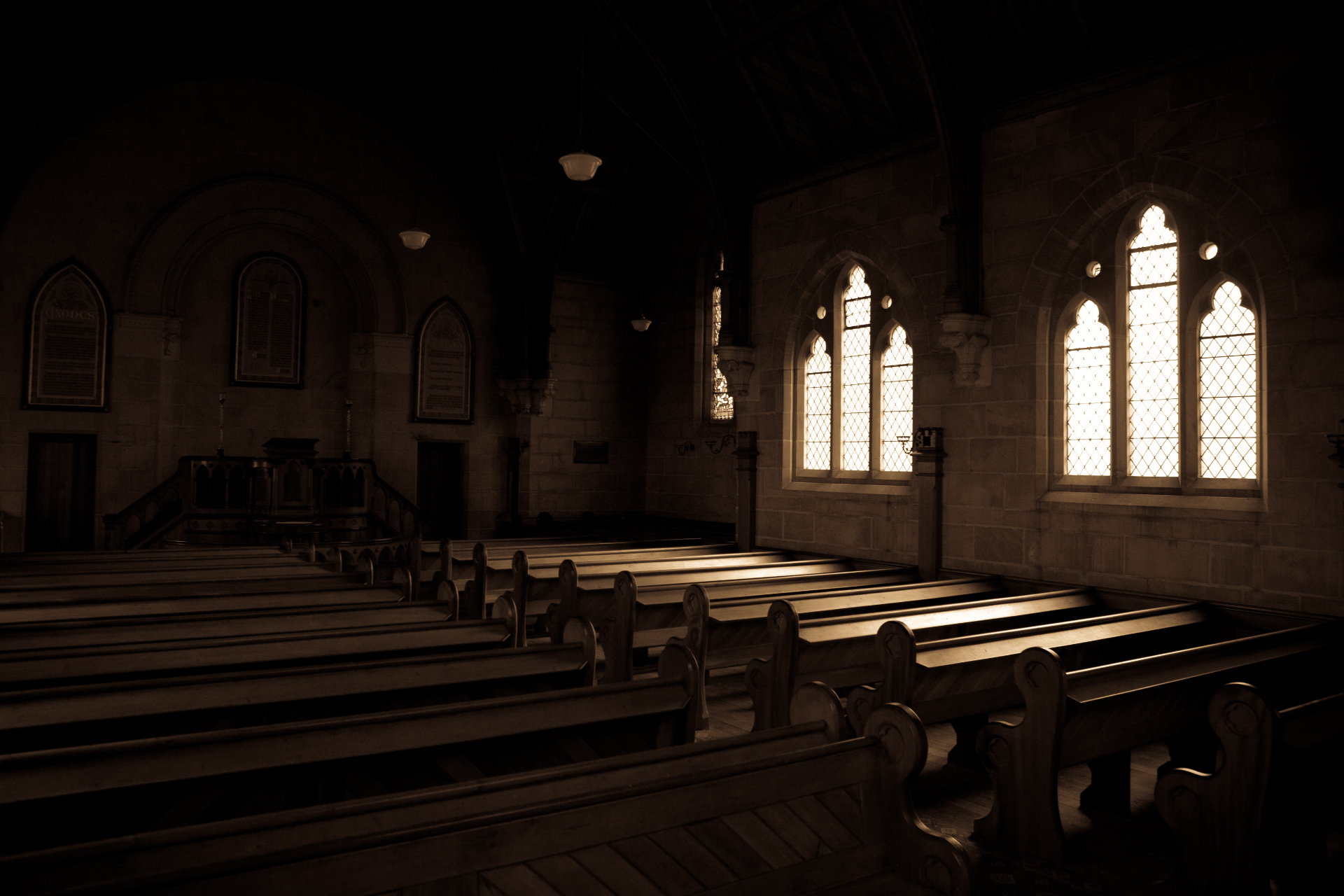
- Historic architecture near Independence Hall or Fairmount Park: Glass that benefits from a reversible film solution instead of permanent etching or replacement.
On buildings with original glass, divided lights, or preservation-sensitive finishes, installation planning matters. Film edges, pane size, seal condition, and heat absorption should be reviewed before choosing a decorative or solar product.
When to Combine Frosted Privacy With Heat-Rejecting Film
Some Philadelphia spaces need both visual privacy and thermal comfort. The solution may be a layered design strategy rather than one film trying to do everything.
A few combinations work especially well when the glass has more than one job:
- Use a frosted privacy band on the lower portion of storefront glass and a clear or lightly tinted solar film on upper panes.
- Choose a solar-control film for large sun-facing windows, then use decorative film on interior partitions where privacy is the priority.
- Add custom frosted graphics to office glass while using heat-control film on perimeter windows that face south or west.
- Select a subtle decorative film for bathrooms or entry doors, then address major heat gain separately on larger exposed windows.
This is often the right approach for restaurants, hotels, and offices where appearance matters as much as comfort. Decorative window film in Philadelphia can create the privacy, branding, or softened daylight effect, while solar film handles the measurable heat problem.
Choosing the Right Film for Philadelphia Glass
The best answer to does frosted glass reduce heat in Philadelphia is practical: frosted film can improve comfort by softening daylight and reducing glare, but it should not be treated as a substitute for tested solar-control film when heat reduction is the main goal. If the room feels hot, choose by performance data. If the room feels exposed, choose by privacy level and appearance.
Window Film Philadelphia can help compare frosted, decorative, privacy, and energy-saving options for your specific glass, orientation, and building type. Contact the local team for a consultation or quote, and get a recommendation that fits how your Philadelphia space actually gets used.