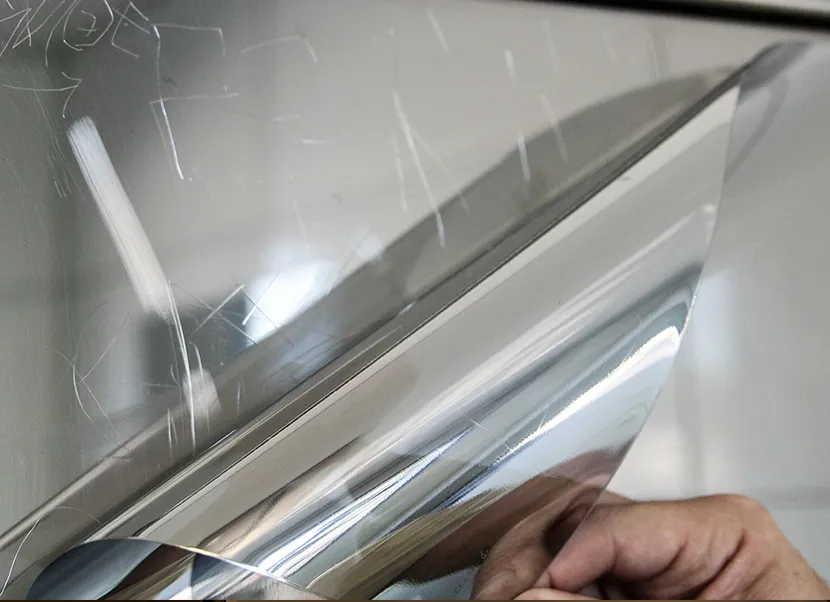
Graffiti vandalism costs Philadelphia property owners thousands of dollars every year. A single etching attack on a storefront window can mean a $500–$1,500 repair bill — and in areas like Kensington, Fishtown, South Street, and Old City, repeat incidents are common. Traditional responses involve chemical cleaning or full glass replacement, both expensive and time-consuming.
Anti-graffiti window film changes the equation. This thin, sacrificial film bonds to glass surfaces and absorbs the damage from spray paint, acid etching, and permanent markers. When vandalism strikes, the film peels off and gets replaced — not the glass. The result is a repair that takes minutes and costs a fraction of what glass replacement would.
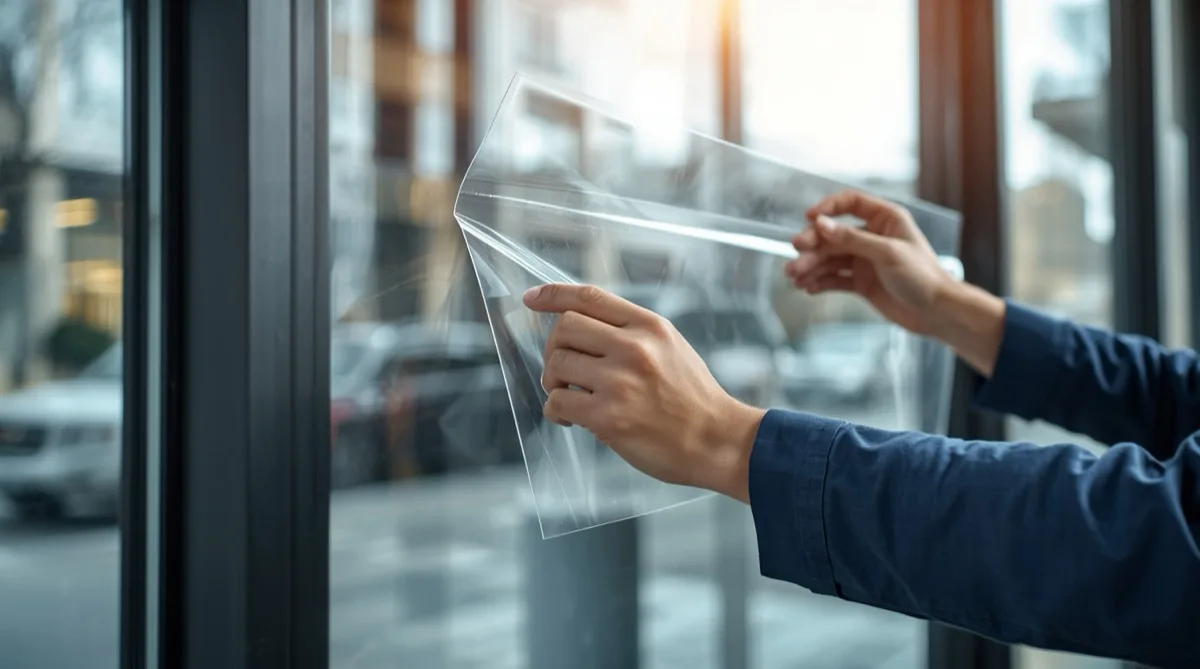
What Is Anti-Graffiti Window Film?
Anti-graffiti window film is a clear, optically neutral polyester film applied to the interior or exterior surface of glass. It creates a protective barrier that takes the brunt of surface damage. Spray paint doesn’t penetrate to the glass; etching compounds attack the film rather than the substrate beneath.
When the film is damaged, a technician removes it and installs a fresh layer. The glass underneath remains pristine and unmarked. Property owners avoid the cost, hassle, and business disruption of glass replacement.
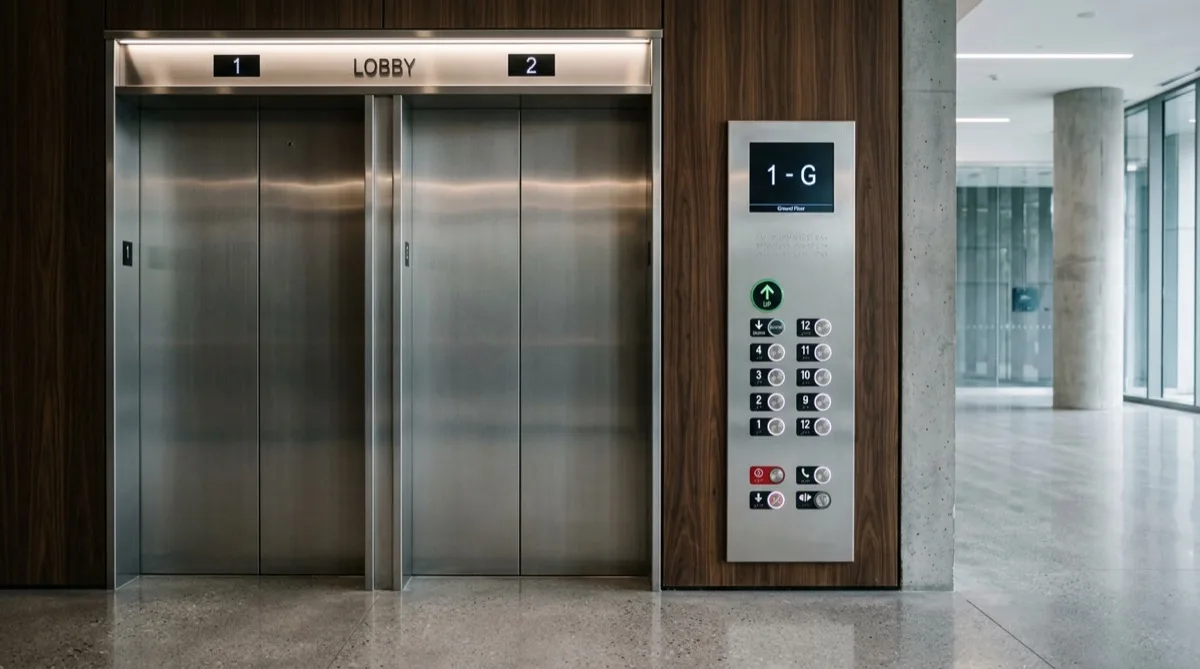
The film can also be applied to other smooth surfaces where graffiti is common — polished stone, stainless steel elevator panels, and metal cladding.
Why Anti-Graffiti Window Film Makes Sense for Philadelphia
Philadelphia has one of the most active graffiti scenes on the East Coast, with activity concentrated in commercial corridors and transit areas. For business owners, the financial impact is direct and recurring.
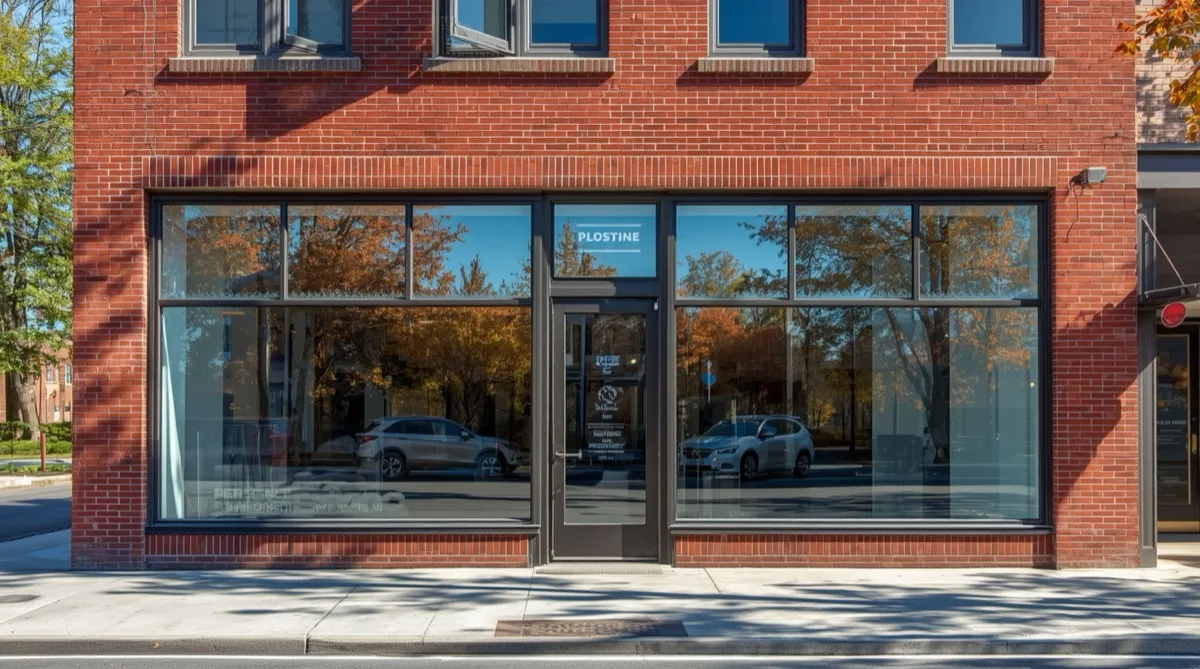
Film-based protection makes economic sense across four dimensions. Replacing a standard commercial window runs $300–$2,000 per panel; film replacement costs a fraction of that — typically $8–$15 per square foot, all-in. A film swap takes 30–60 minutes versus the days or weeks it takes to source and install new glass, so your storefront stays open and operational throughout. Because the film is designed to be replaced, property owners subscribe to ongoing protection rather than paying emergency rates every time vandalism strikes. And for buildings with original period glass that cannot be reproduced — common in Old City, Society Hill, and Germantown — film is often the only way to protect an asset with no replacement value.
Applications in Philadelphia
Anti-graffiti window film is installed across a wide range of Philadelphia property types:
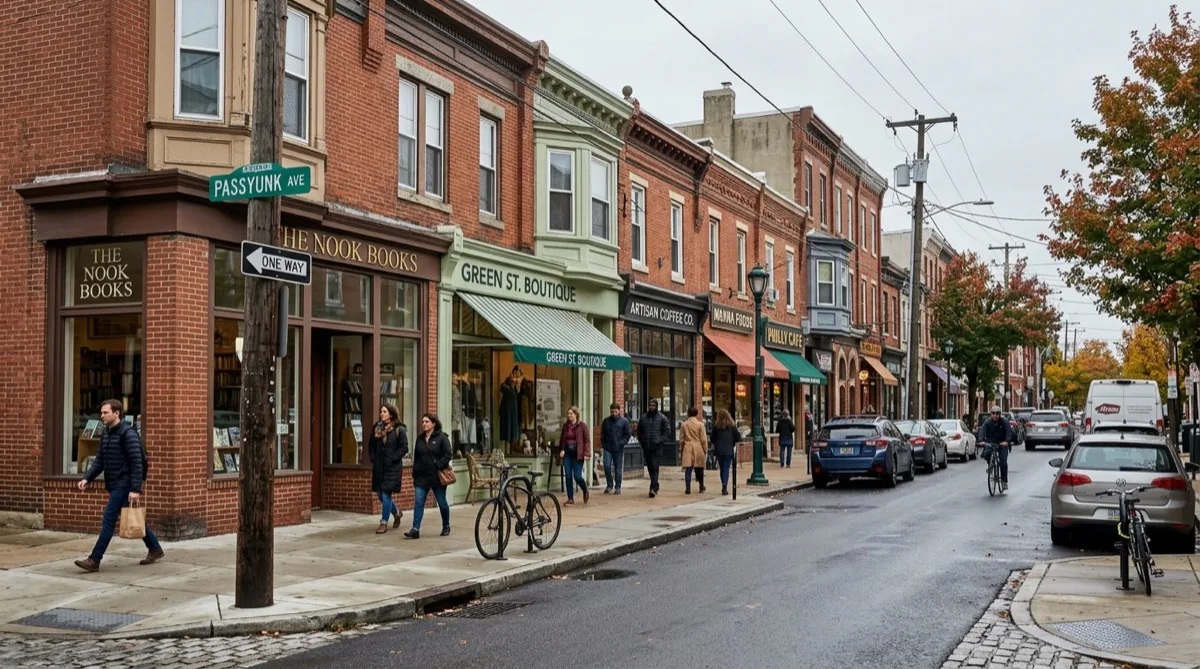
- Retail storefronts on South Street, Passyunk Avenue, East Passyunk, and the Italian Market corridor — ground-floor windows and entry doors are hit most.
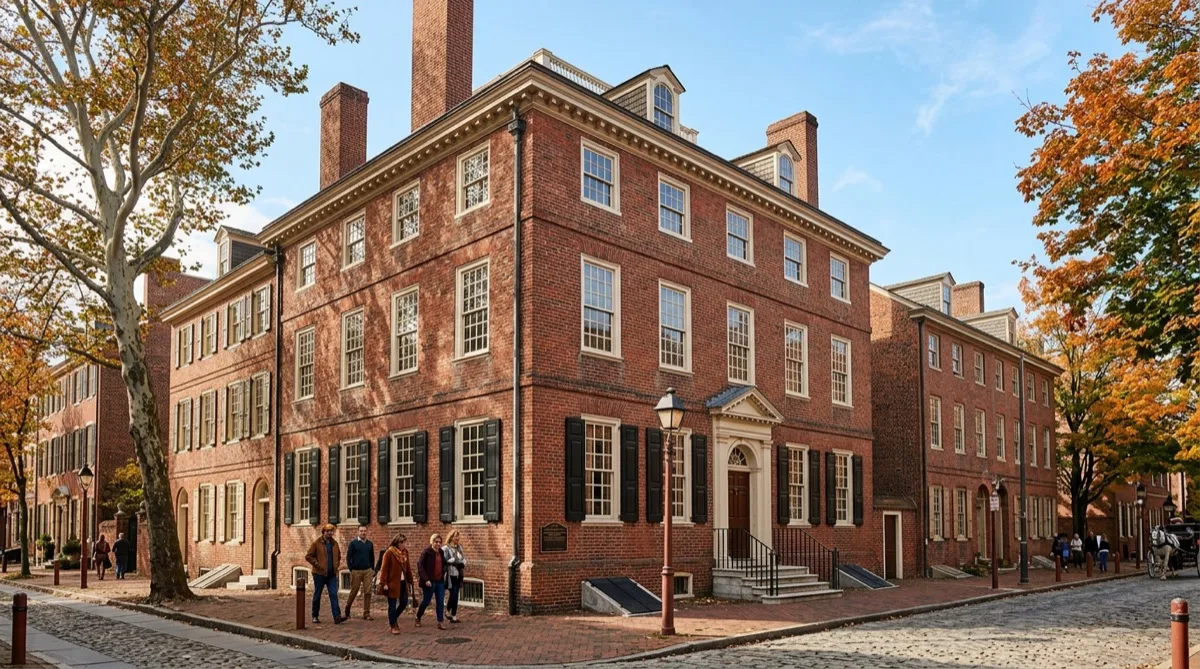
- Historic buildings in Old City, Society Hill, and Germantown, where original sash windows and custom glazing cannot be reproduced.
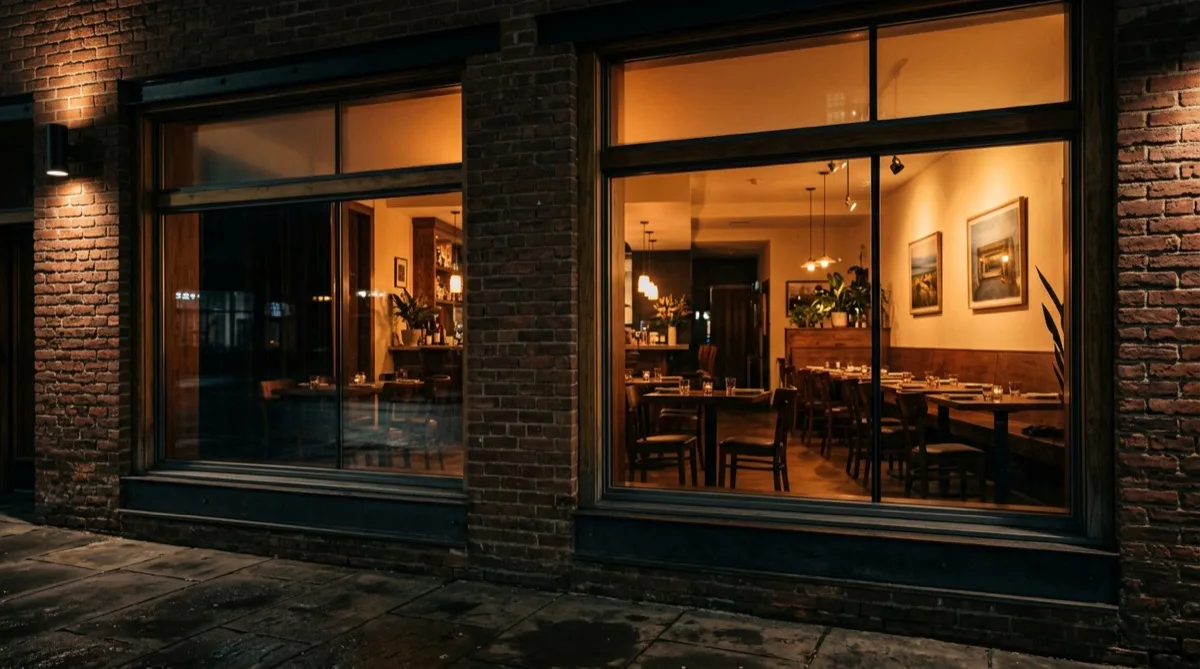
- Restaurant and bar entrances in Fishtown, Northern Liberties, and Rittenhouse Square — doors and sidelights are frequently targeted with markers and scratching tools after hours.
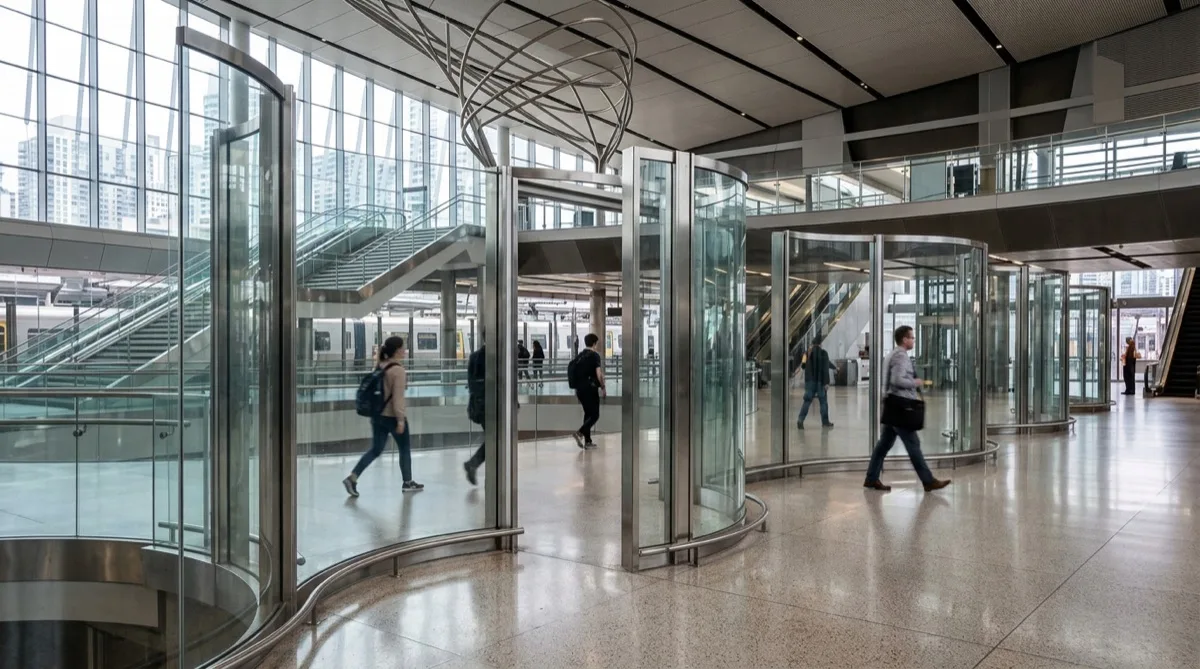
- Transit-adjacent properties near SEPTA stations and bus shelters, where glass walls, vestibules, and lobby glazing see the highest etching and spray rates.
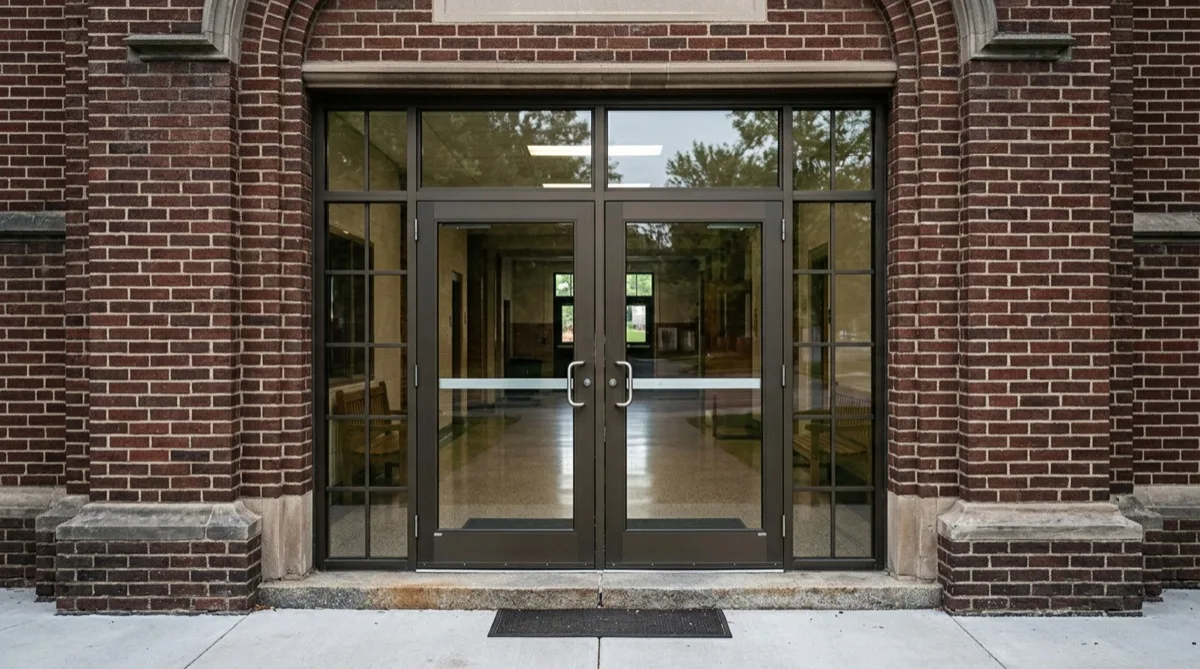
- Schools and institutional buildings, where vandalism on exterior windows and entry vestibules undermines safety and environment.
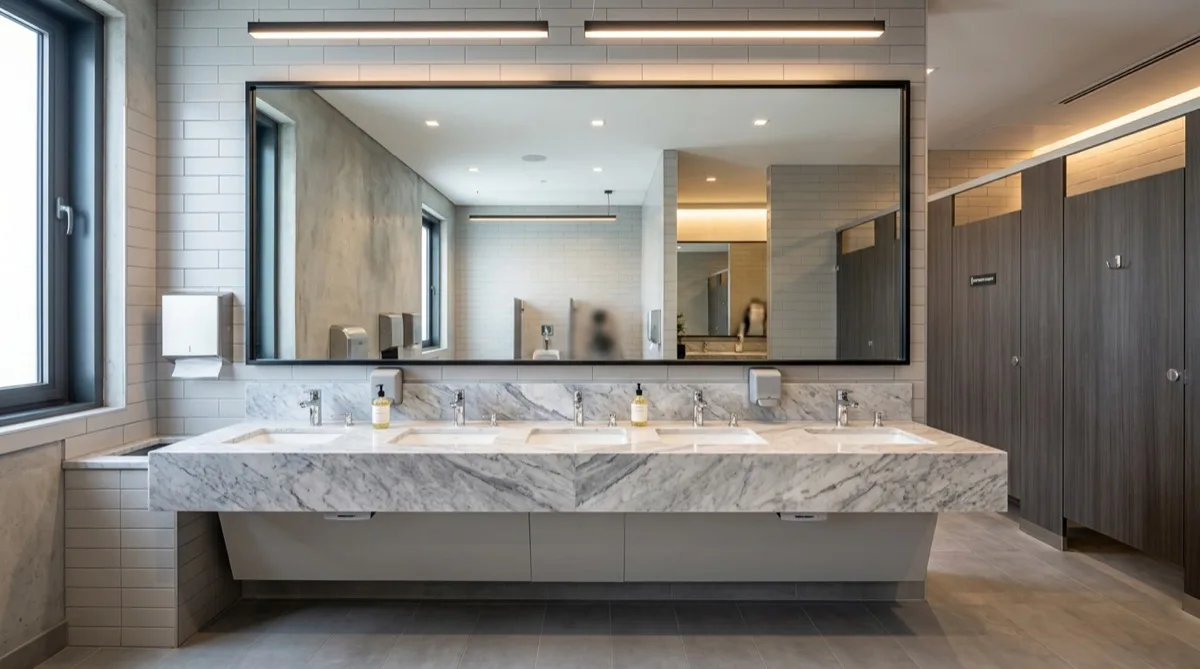
- Interior surfaces including elevator panels, lobby display cases, polished stone cladding, and restroom mirrors — anywhere smooth surfaces accumulate wear.
Philadelphia’s Graffiti Problem: Context, Data, and Cost
Philadelphia has a long and complicated relationship with graffiti. The city is widely recognized as one of the birthplaces of American graffiti culture — its tagging traditions helped shape the visual language of hip-hop from the 1970s onward. That history is real. But so is the ongoing financial toll on businesses that didn’t ask to be part of it.
PennDOT alone spent $129,000 in 2023 removing graffiti from Philadelphia-area state infrastructure — highways, overpasses, and transit-adjacent public surfaces. That figure covers only state-maintained property. The bill for private commercial glass runs substantially higher and falls entirely on property owners and their insurers.
Beyond individual repair bills, the impact compounds. Commercial property values in areas with persistent graffiti drop an average of 15% — as much as 25% when the markings are hateful or profane. That affects lease rates, refinancing, and property sale prices in ways that never appear on a single repair invoice. Vandalism costs U.S. schools more than $600 million annually. In a 2019 insurance industry analysis, the average vandalism claim exceeded $5,000 before factoring in lost business during downtime.
Damage in Philadelphia concentrates along predictable patterns. Ground-floor commercial glass on high-foot-traffic corridors — South Street, East Passyunk, Kensington Avenue, the Fishtown stretch along Girard and Frankford — sees the highest frequency of tagging and scratching. Properties near SEPTA El stops in Kensington and Port Richmond experience some of the highest per-block rates of acid etching. Late-night entertainment districts accumulate marker and key damage on door glass and sidelights overnight, when no one is watching.
Criminologists call it the broken windows effect: visible signs of disorder signal that a space is unmonitored, which attracts more vandalism. A tagged storefront that isn’t cleaned within 24–48 hours is statistically more likely to be hit again within the week. Film-based protection changes this dynamic — rapid, affordable restoration eliminates the signal. A clean storefront is itself a deterrent.
Philadelphia’s Graffiti Abatement Program handles removal from public property. For private commercial glass, anti-graffiti film with a rapid-replacement program is the practical, long-term answer.
Etching Protection: A Special Concern
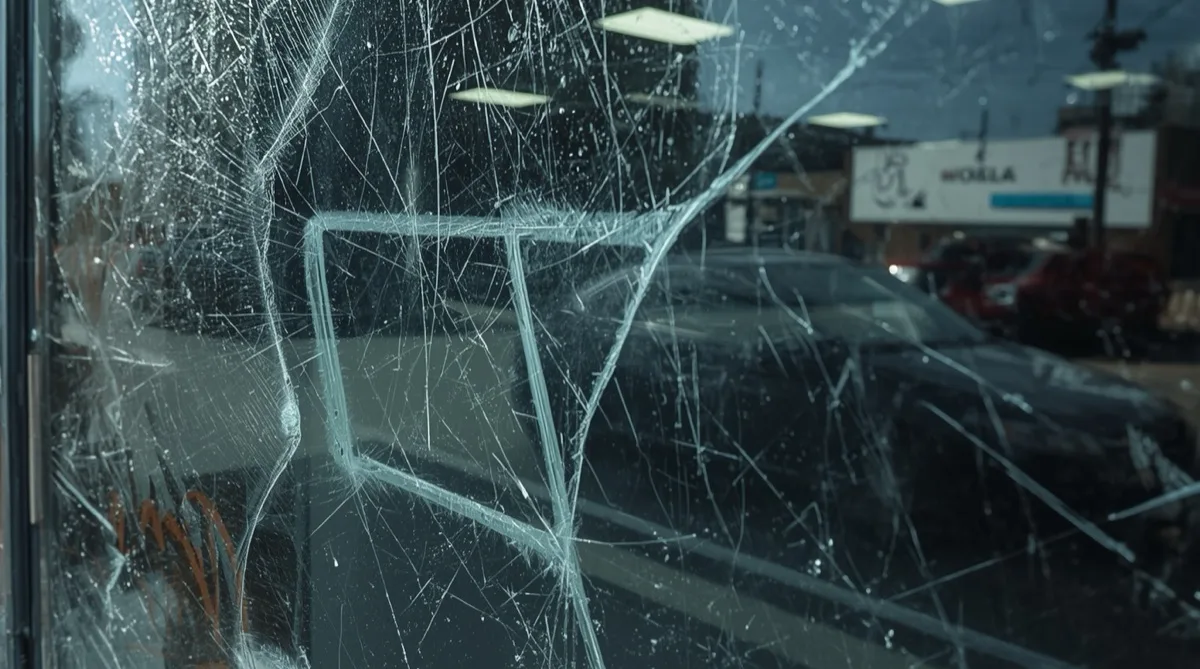
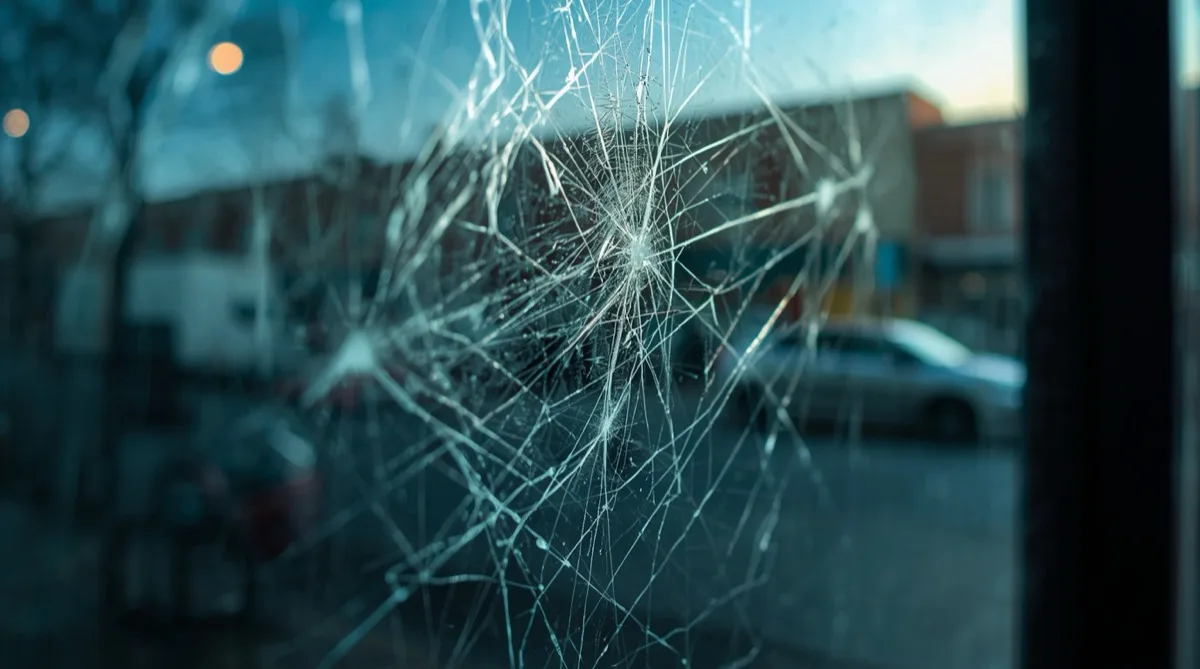
Spray paint is visible and obvious, but acid etching is often worse. Vandals use commercially available glass etching compounds — intended for craft projects — to permanently scratch names, symbols, and tags into glass surfaces. The damage is subtle but irreversible without grinding or replacement.
Anti-graffiti film is one of the only cost-effective defenses against etching. The compound attacks the film rather than the glass, and the damaged film can simply be replaced. Without film protection, an etched window almost always requires full glass replacement.
For Philadelphia businesses with expensive plate glass storefronts, this protection alone justifies the investment. A single etching incident that requires glass replacement typically costs more than a full film installation with several years of replacement service.
How It Works
The Sacrificial Film System
Film Options and Installation
Anti-graffiti film comes in several configurations to match the surface and risk level. Clear film is the most common choice for storefronts and retail windows — optically invisible when installed, preserving full glass clarity and storefront visibility. Combination safety + anti-graffiti film layers graffiti protection over a safety film base, providing dual defense against both vandalism and glass breakage — the preferred choice for higher-crime corridors and school entrances. Surface-specific films are available for non-glass substrates including polished stone, stainless steel elevator panels, metal cladding, and mirror surfaces. Learn more about safety and security window film for Philadelphia properties.
Installation is non-invasive and doesn’t require the business to close. A professional installer applies the film in a single visit, and the surface is ready within hours.
Brands We Install: 3M and Graffiti Shield
Product selection matters — the right film for a school entrance differs from the right film for a restaurant sidelight, an elevator panel, or a historically significant sash window. We install films from two leading manufacturers.
3M™ Anti-Graffiti Film comes in two thicknesses: AG4 (4-mil) and AG6 (6-mil). Both are optically clear — no tint, no haze — and apply to interior or exterior glass. They’re designed to be removed without tools after vandalism, leaving the underlying glass untouched. Both products also block up to 99% of UV rays, adding incidental sun protection alongside the graffiti defense, and carry a 1-year manufacturer warranty. The AG6 is the preferred spec for high-exposure surfaces — transit-adjacent glass, exterior storefronts, and bus corridor panels.
Graffiti Shield specializes exclusively in surface protection. Their flagship Glass Shield is engineered with a hard coat to resist scratching, carving, and acid etching. For high-incident properties, Glass Shield Multi-Layer offers a four-peel system — individual layers are removed one at a time after each incident, eliminating full film swaps and reducing per-incident cost significantly. Metal Shield protects stainless steel, brushed aluminum, and brushed gold surfaces — elevator banks, lobby hardware, and transit fixtures. Mirror Shield covers restroom and lobby mirrors from the chronic etching those environments accumulate.
The right product depends on surface type, exposure level, and replacement frequency. Our site assessment covers all of this before a single film is ordered.
The Ongoing Cost of Not Protecting Your Glass
Property owners who delay anti-graffiti film installation often come to regret it after the first major vandalism event. One etching incident that requires glass replacement typically costs more than a full film installation with several years of replacement service built in.
The economics are straightforward: film protection is a predictable, manageable cost. Glass replacement is an unpredictable emergency expense that disrupts operations and damages curb appeal while repairs are pending.
For Philadelphia commercial properties on high-traffic corridors, the question isn’t whether to protect the glass — it’s how soon.
Getting Anti-Graffiti Film Installed
Installing anti-graffiti film is a straightforward professional process — but for a commercial property, getting the right result means more than just applying a product to glass.
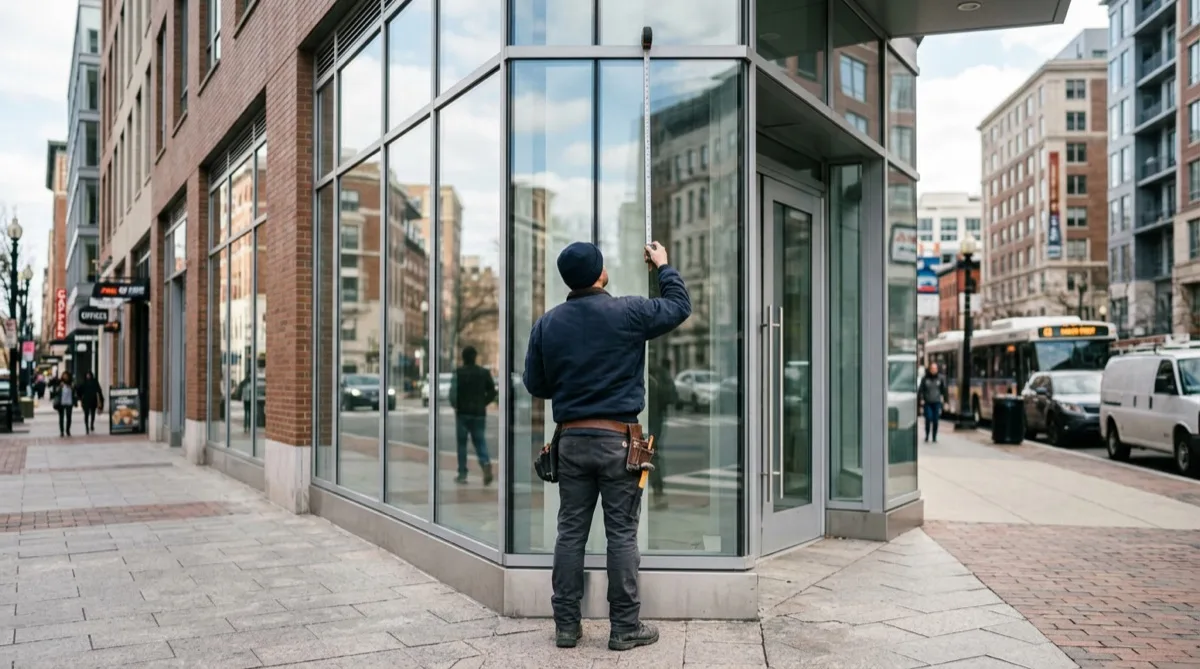
The process starts with a site assessment: an on-site evaluation of your glass type, thickness, coating, framing system, and vandalism exposure. For historic buildings, we confirm glass compatibility before recommending any product. Older single-pane glass, original sash windows, and certain tempered or coated glass types each have specific requirements.
Based on the assessment, film selection determines the right product for each surface — thickness (4-mil or 6-mil), brand (3M or Graffiti Shield), and whether a standard film, a safety-plus-anti-graffiti combination, or a multi-layer peel system makes the most economic sense. Installation is completed in a single visit with no business closure, leaving surfaces ready within hours. And the real long-term value is the ongoing replacement program — many Philadelphia property managers set up a standing service agreement so that any future damage is handled with a call, not an emergency scramble and a new quote.
Window Film Philadelphia serves commercial storefronts, historic buildings, restaurants, schools, and institutional properties throughout the Philadelphia metro area — including South Jersey and Delaware County. Visit our anti-graffiti window film page for full product and pricing details, or contact our team to schedule a no-cost site assessment.
Don’t wait for the next incident. The cost of protection is always less than the cost of repair.